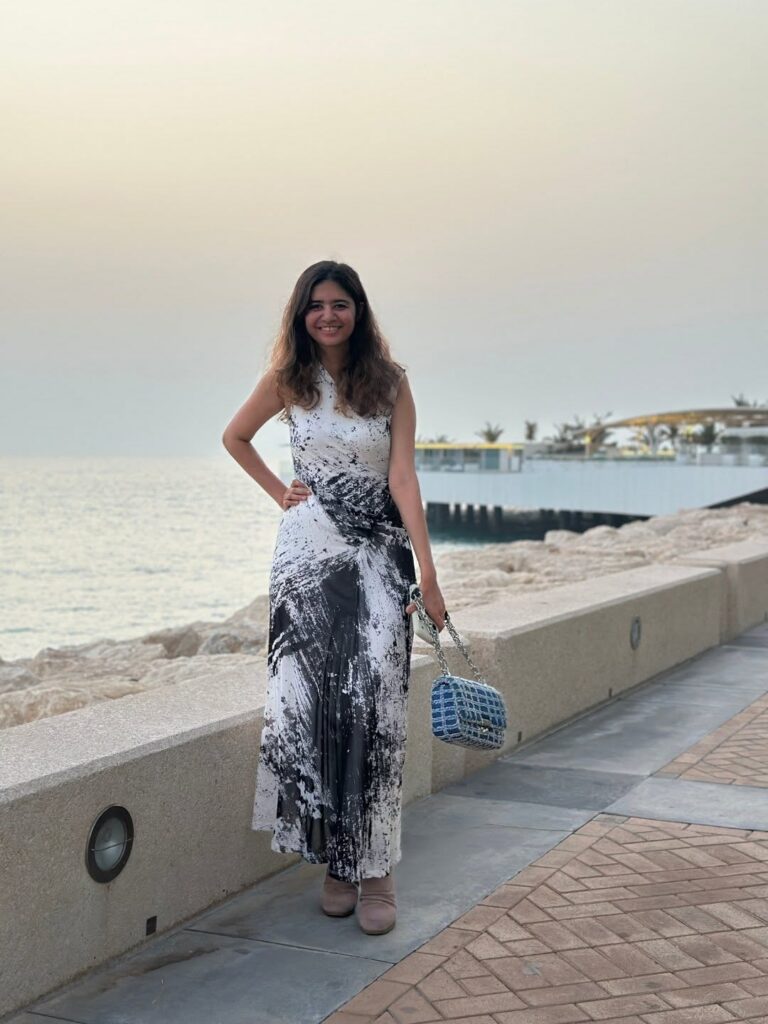


How did your work as the CEO of ICONIC Episode prepare you for the challenge of writing a debut novel?
Running ICONIC Episode is essentially professional matchmaking between a brand and its audience. You are constantly searching for the pulse of a story that people actually want to hear. Writing a novel felt like the natural, albeit much quieter, evolution of that. Instead of managing a team and a content calendar, I was managing the messy, unpredictable lives of my characters. My background in media definitely helped me stay disciplined, but it also taught me that if a story doesn’t have a soul, no amount of ‘content strategy’ can save it.
What prompted you to move from reporting on lifestyle and digital culture to telling a deeply personal fictional story?
Reporting is about capturing the world as it is, while fiction is about capturing how the world feels. After years of documenting lifestyle trends and digital shifts, I found myself wanting to explore the things that don’t fit into a neat editorial headline. There is a specific kind of truth you can only reach when you stop sticking to the facts and start leaning into the friction of human emotions.
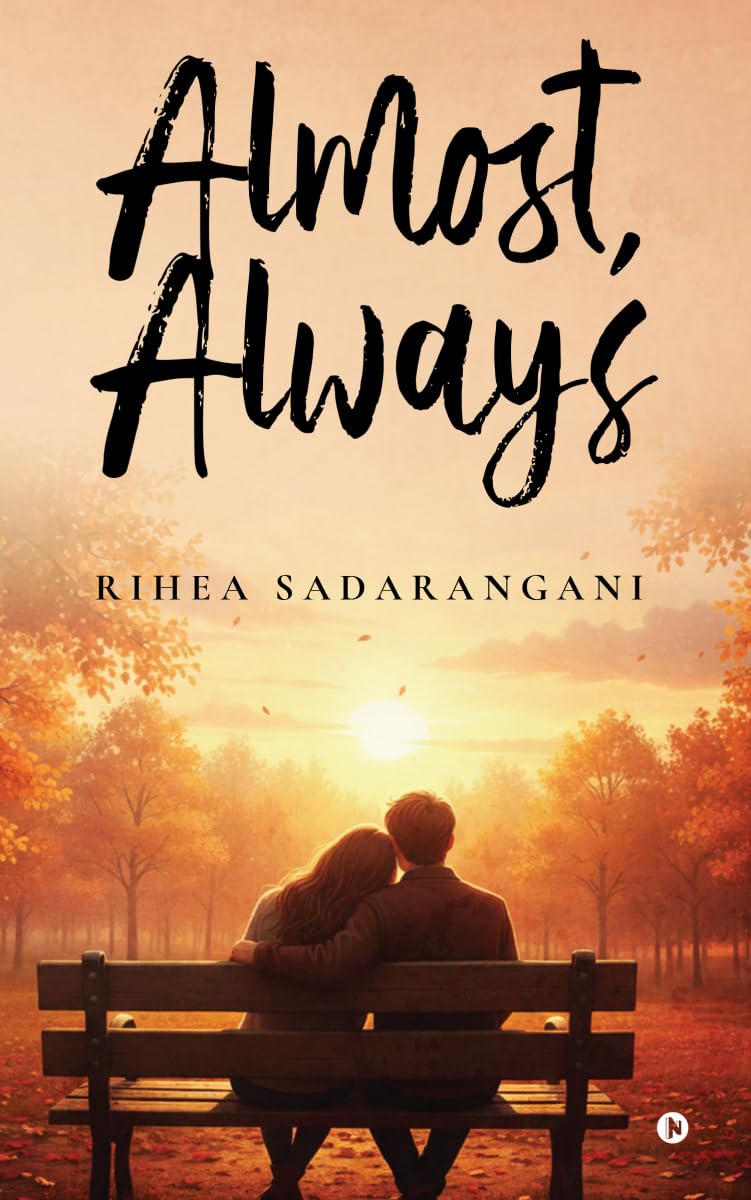
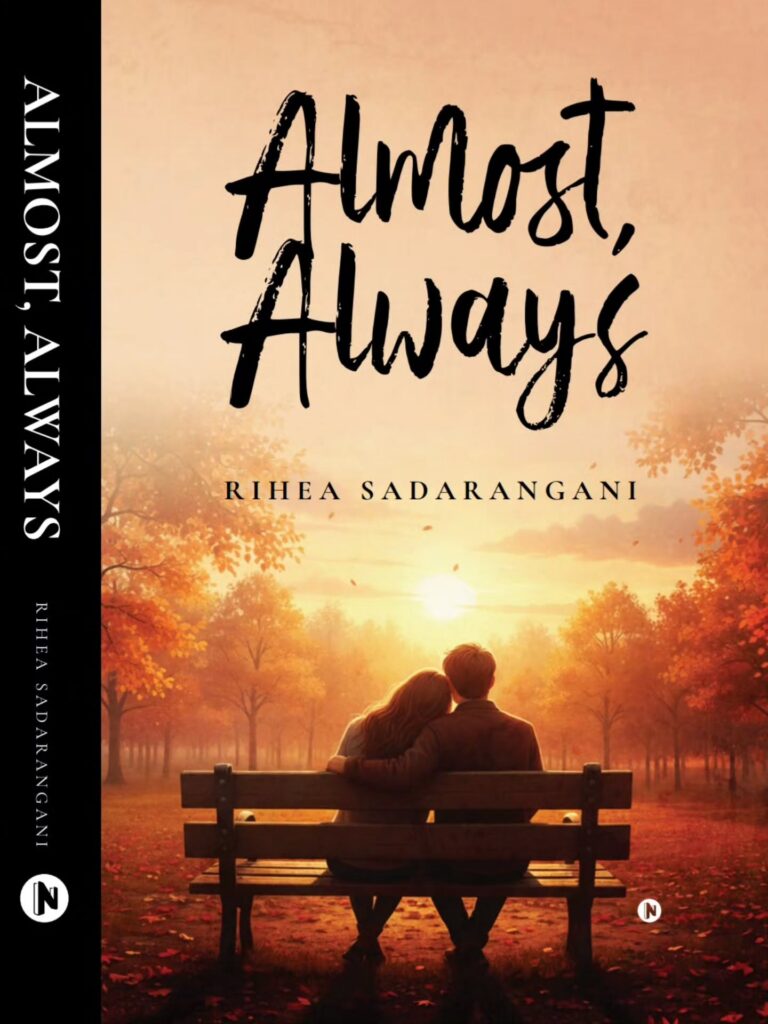
Almost, Always explores the courage required to begin again. Was there a specific moment or realisation that made you feel this particular story needed to be shared?
There wasn’t one single ‘aha’ moment, but rather a collection of quiet realisations. I think we all have those chapters in our lives that we try to edit out because they feel too raw or too ‘messy’ for our public-facing highlight reel. I realized that the most personal experiences are often the most universal. I felt a pull to share a story that validates the idea that starting over isn’t a failure, it is actually the most courageous thing you can do.
Your character, Deana Sans deals with bad timing and misunderstanding in her first love, why do you think those themes resonate so strongly with readers?
I think we are all haunted by the ‘what ifs’ of our youth. We live in an era of instant communication, yet we still manage to misread the room or say the right thing at the absolute worst time. Readers resonate with those themes because they are the universal tax of being human. We have all been Deana at some point, standing in the rain of a misunderstanding and wondering how we got there.
The novel covers a move to the UK and an isolating, toxic relationship; was it difficult to write those more painful chapters?
They were definitely the hardest to write, but also the most necessary. You can’t write a story about finding yourself without acknowledging the places where you felt lost. Reliving those feelings of isolation or toxicity on the page felt a bit like an exorcism. It was difficult, but there is a certain power in taking those painful memories and turning them into something that might help someone else feel a little less alone.
What is the significance of the title Almost, Always?
The title Almost, Always captures that frustrating, beautiful space of things that nearly happened or things that never quite leave us. It is about the relationships that are ‘almost’ enough and the feelings that ‘always’ linger in the background. It represents the persistent echoes of a first love that refuses to be completely silenced by time.
As a debut author what do you hope readers in the UAE and beyond take away from Deana’s journey of making “the bold move” and ultimately finding her own self?
I hope readers realize that ‘the bold move’ isn’t always a physical one across an ocean, though for Deana it was. Sometimes the boldest move is simply choosing yourself over a version of a life that no longer fits. Whether you are in the UAE or anywhere else, I want people to walk away feeling like their own growth is worth the discomfort it takes to get there.
What can we expect next from you, will you continue to explore the fiction space, or do you see your future work bridging the gap between your media ventures and your creative writing?
I’m definitely not done with fiction. There is something addictive about building worlds from scratch. That said, I don’t see my media work and my creative writing as separate islands. They both come from the same place of wanting to connect with people. You can expect more stories that bridge that gap, because whether it’s a brand or a book, I’m always going to be chasing the lore.