

Bridal wellness should not be about chasing perfection or shrinking yourself into a dress. Ivana Bruic, founder of Storm Cycling, shares five practical rituals to help brides navigate the emotional and physical demands of the lead-up to their wedding, with additional insights from Kat Diab, founder of Methodbykat (MBK), and Tara Wilks of BodyRock Lagree Studio.
There is nothing wrong with wanting to feel your best on your wedding day. But somewhere between the dress fittings, guest lists, beauty appointments and last-minute logistics, wellness can start to feel like another item on an already overwhelming checklist.
According to Ivana Bruic, the brides who walk through the studio doors are rarely only focused on aesthetics.
“One of the biggest misconceptions I see is that brides are primarily focused on looking good for their wedding day,” she says. “In reality, many of the women who come through our doors at STORM are carrying an enormous mental load.”
Ritual One: Create a moment where the noise stops
For many brides, movement becomes one of the few moments in the week where nobody is asking anything of them.
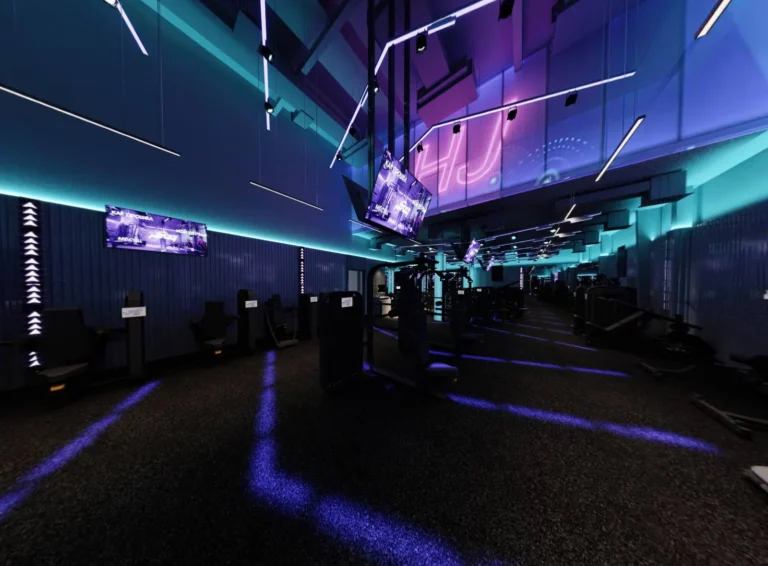
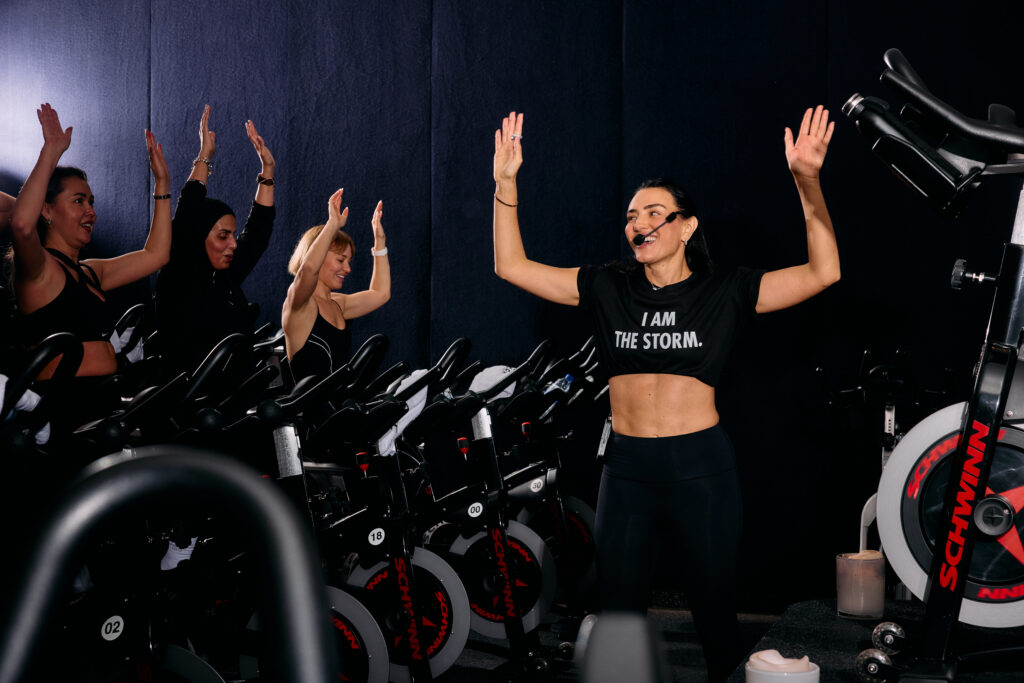
“Many brides tell us that their ride at STORM is the only 45 minutes in their week where nobody is asking anything of them,” Ivana says. “The lights are low, the phone is away, and they can reconnect with themselves rather than the endless wedding to-do list.”
One bride told her: “I came here to get wedding fit, but I stayed because it was the only place I felt like myself.”
The most important shift is to stop viewing wellness as another task to complete before the wedding. Instead, treat it as a ritual that helps you return to yourself.
Try this: schedule two or three non-negotiable moments each week where your phone is away and nothing is required of you. This could be a class, a walk, a quiet coffee or ten minutes of stillness before bed.
Tara of BodyRock Lagree Studio. also recommends a simple grounding question for moments when your mind starts racing: “Where are your feet?”
The answer brings you back to the present. Your feet are here, on the ground, at this exact moment. You do not need to mentally rush ahead to the next appointment, photograph or conversation.
Ritual Two: Practise breathwork before you need it
A wedding day can be deeply joyful and emotionally significant. But even positive stress is still stress.
“Breathwork is one of the simplest and most effective tools we have for regulating the nervous system and creating a sense of calm from within,” Ivana says.
She recommends extending the exhale slightly longer than the inhale. This signals safety to the body and can help reduce feelings of anxiety and overwhelm.
The goal is not to remove emotion from the day. It is to create enough internal stability to experience it fully.
Kat Diab, founder of Methodbykat, agrees that breathwork should be practised consistently rather than saved for moments of panic.
“By practising regulation consistently, you create a tool you can rely on when emotions inevitably run high,” she says. “The goal is not to eliminate emotion. The goal is to create enough calm within the body to fully embrace those emotions as they arise.”
Try this: spend five minutes every morning and evening focusing on slow, intentional breaths. On the wedding day, Tara suggests taking small breathwork “time-outs” before key moments such as the photographs, the walk down the aisle or the speeches.
Ritual Three: Focus on strength, not shrinking
It is easy for bridal fitness to become driven by urgency. But extreme routines rarely support confidence or wellbeing.
“Strength training and movement should never be about punishment or shrinking yourself for a dress,” Ivana says. “The strongest brides I meet are not necessarily the smallest. They are the women who feel energised, capable and connected to their bodies.”
Movement can improve mood, support sleep and help manage stress. But consistency matters more than intensity.
“You do not need extreme workouts six weeks before the wedding,” Ivana says. “You need sustainable movement that leaves you feeling stronger and more empowered.”
Kat recommends a balanced approach combining strength, mobility, flexibility, deep core engagement and functional movement. The aim is to build a body that feels supported rather than depleted.
“A wedding season should not be about punishing the body into submission,” she says. “It should be about creating a body that has the energy to dance, celebrate, travel, socialise and fully enjoy the experience.”
Try this: choose a routine you can realistically maintain. Combine structured classes with walking, mobility work and rest days. Avoid measuring progress only through the weighing scale or calorie tracking. Tara recommends journalling how you feel instead: your energy, mood, confidence and stress levels.
Ritual Four: Treat recovery as part of the plan
Recovery is often the first thing to disappear when a schedule becomes busy. Yet it is essential if you want to feel calm and energised on the day itself.
“Many brides are trying to do everything at once: work harder, train harder, socialise more, organise more and somehow remain calm through it all,” Ivana says. “The reality is that recovery is where both physical and emotional adaptation happen.”
She encourages brides to protect their sleep, schedule downtime with the same commitment they give wedding appointments and create small daily moments of stillness.
Kat recommends focusing on consistent sleep, hydration, nourishing food, time outdoors, recovery-focused movement and boundaries around wedding-related tasks.
“One of the greatest gifts a bride can give herself is permission to slow down,” she says.
Try this: reduce intense training in the final few days before the wedding. Choose gentle movement, stretching, time outdoors and early nights instead. Your final week is not the time to push harder. It is the time to allow your body and mind to settle.
Ritual Five: Choose confidence over perfection
Many brides struggle with what Tara describes as “future anxiety”: worrying about how they will be perceived, what guests will think and how they will look in photographs. Kat hears similar concerns from women preparing for major life events:
“I just want to feel like myself again.”
“I don’t want to be stressed on my wedding day.”
“I’m worried I won’t look good enough.”
“I feel exhausted trying to do everything.”
These concerns are a reminder that bridal wellness should not revolve solely around aesthetics.
“What I have witnessed repeatedly at STORM is that women thrive when they feel supported, seen and part of a community,” Ivana says. “Their confidence grows because they are celebrating what their body can do rather than constantly criticising how it looks.”
Try this: practise gratitude by focusing on what is already present in your life rather than what you feel is missing. Tara also recommends stepping outside your own thoughts by calling a friend and asking how they are doing. Being of service to someone else can interrupt the cycle of self-scrutiny.
Ultimately, Ivana encourages brides to ask themselves one simple question: How do I want to feel on my wedding day?
Most women answer with words such as calm, joyful, confident, present, radiant and connected.
“Interestingly, none of those feelings are created by a number on a scale,” Ivana says. “They are created through movement, recovery, breath, community and the rituals that remind us who we are beneath all the planning.”