



Through her pioneering approach to design and architecture, she is proving that thoughtfully designed spaces can do far more than look beautiful, they can actively support better sleep, reduce stress and enhance long-term wellbeing. Here, Derya shares how the future of interior design is shifting towards longevity, and why the spaces we inhabit may be one of the most powerful tools for living healthier, longer lives.
- Wellness has moved beyond what we eat and how we exercise to include the spaces we live in. Do you think our homes are becoming the next frontier in longevity, and what are the biggest design mistakes you see people making every day?
Yes, absolutely. I believe our homes are becoming one of the most important frontiers in longevity because they shape how we sleep, recover, focus, breathe and emotionally regulate every single day.
For a long time, wellness was mostly associated with nutrition, movement or treatments. But the environment we live in has a constant effect on the body and mind. Light, air quality, acoustics, materials, temperature, clutter and spatial flow all influence our nervous system, often without us consciously noticing it.
The biggest mistake I see is designing homes primarily for visual impact rather than biological comfort. A space may look beautiful, but if it has poor lighting, bad ventilation, excessive noise, synthetic materials or too much visual stimulation, it can quietly affect stress, sleep and overall wellbeing over time. A healthy home begins when design moves beyond aesthetics and starts supporting the way we actually live.
- Dubai is known for embracing luxury and innovation. How do you see the definition of luxury evolving, and do you think a truly luxurious home in 2026 is one that actively helps you sleep better, stress less and age well?,
Luxury is definitely evolving. In the past, luxury was often defined by rarity, price, finishes and visual impact. Today, especially in a city like Dubai where innovation and wellbeing are becoming part of daily life, luxury is becoming much more intelligent and personal.
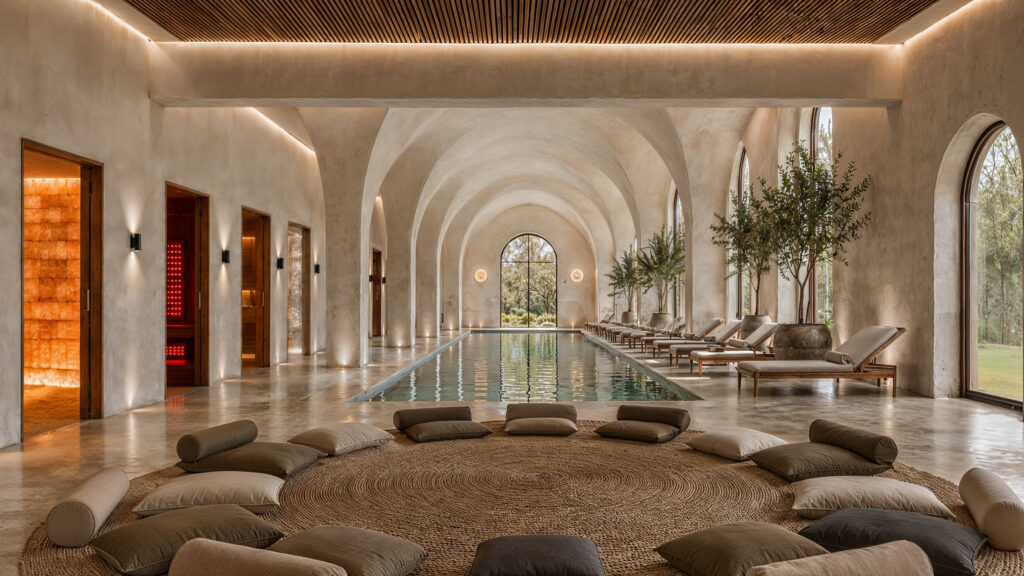
A truly luxurious home in 2026 is not only beautiful; it should actively support your health, comfort and longevity. It should help you sleep better, feel calmer, breathe cleaner air, recover from stress and move through your day with more ease.
For me, the new definition of luxury is not excess. It is precision, wellbeing and emotional quality. It is a home that understands the body, supports the nervous system and creates a sense of restoration. The most luxurious spaces of the future will not just impress us visually; they will make us feel better every day.
- You’ve coined The Longevity Design Method, which blends neuroscience with interior architecture. Was there a defining moment that made you realise beautiful spaces weren’t enough, that they also needed to support human biology?
It was less of a single moment and more of a gradual realization through years of working in architecture and interiors. I started noticing that some spaces could be visually beautiful, but still make people feel tired, uncomfortable or overstimulated. At the same time, other spaces had a sense of calm and restoration that went far beyond aesthetics.
That question stayed with me: why do certain environments help us feel grounded, focused and well, while others create tension or fatigue?
This led me to explore neuroscience, environmental psychology and the biological impact of interiors. The Longevity Design Method was born from the idea that architecture should not only serve lifestyle or beauty, but also support the human body and mind. A space should not only look good in a photograph; it should help people live better inside it.
- If you could redesign one everyday space that most people overlook, from bedrooms and bathrooms to offices or restaurants, which would you choose, and what simple changes could dramatically improve the way we feel?
I would choose the bedroom because sleep is one of the most important pillars of longevity, yet bedrooms are often designed more for appearance than recovery.
A bedroom should be treated as a restorative environment. Simple changes can have a powerful effect: reducing harsh evening light, using warmer and lower-intensity lighting at night, improving air circulation, keeping the room cooler, choosing calming colors, minimizing visual clutter and selecting healthier materials.
Good sleep is not only about the mattress. It is about the entire atmosphere around the body. When the bedroom supports the nervous system, the body can relax more easily, sleep more deeply and recover better. That is where design can make a real difference in everyday wellbeing.
- Looking ahead, what design trends do you think we’ll leave behind over the next decade, and what new habits or ideas do you believe will define the future of healthy living and modern interiors?
I think we will move away from interiors that are created only for visual perfection or social media impact. Spaces that look impressive but feel cold, overstimulating or disconnected from real life will become less relevant.
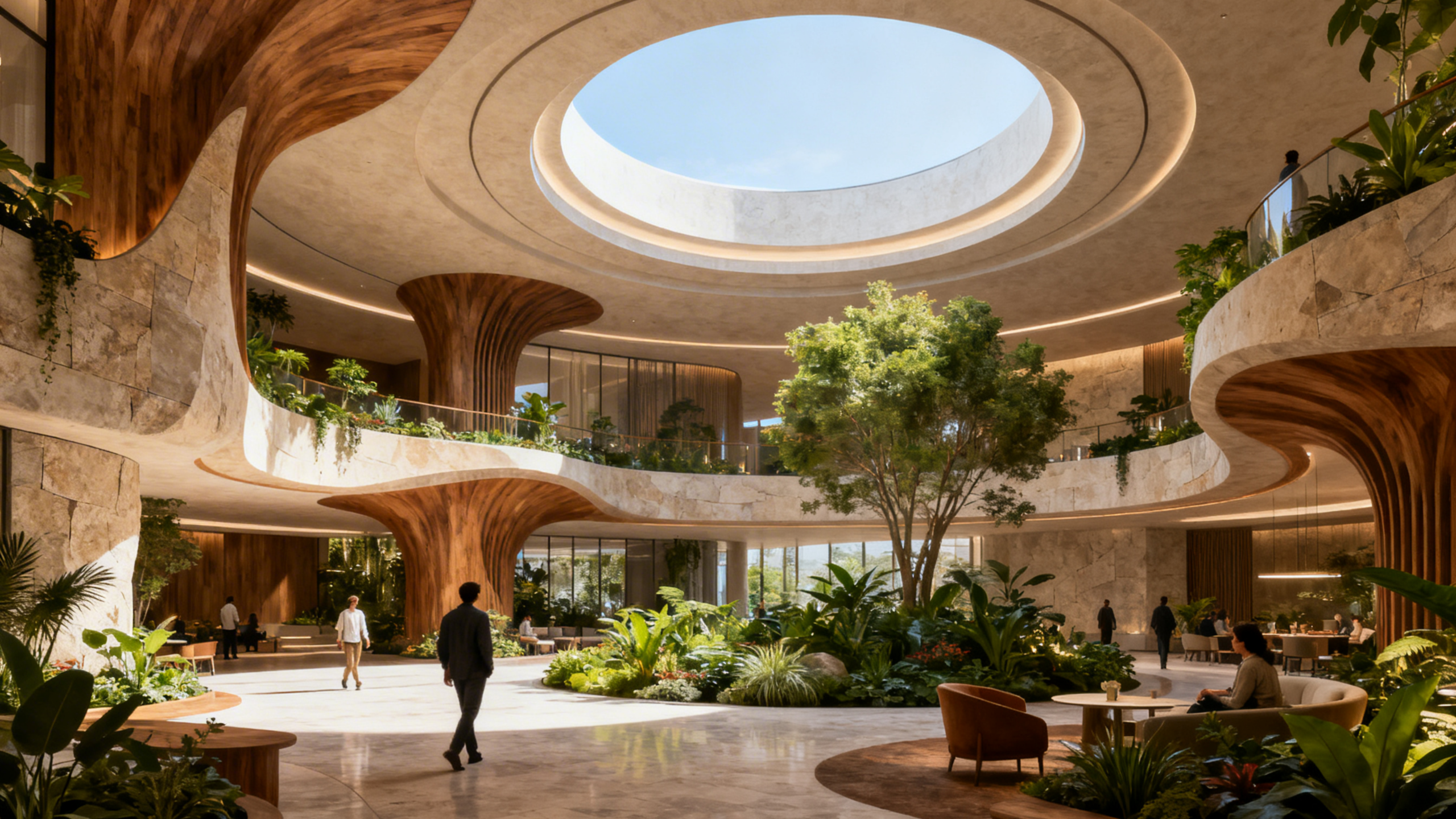
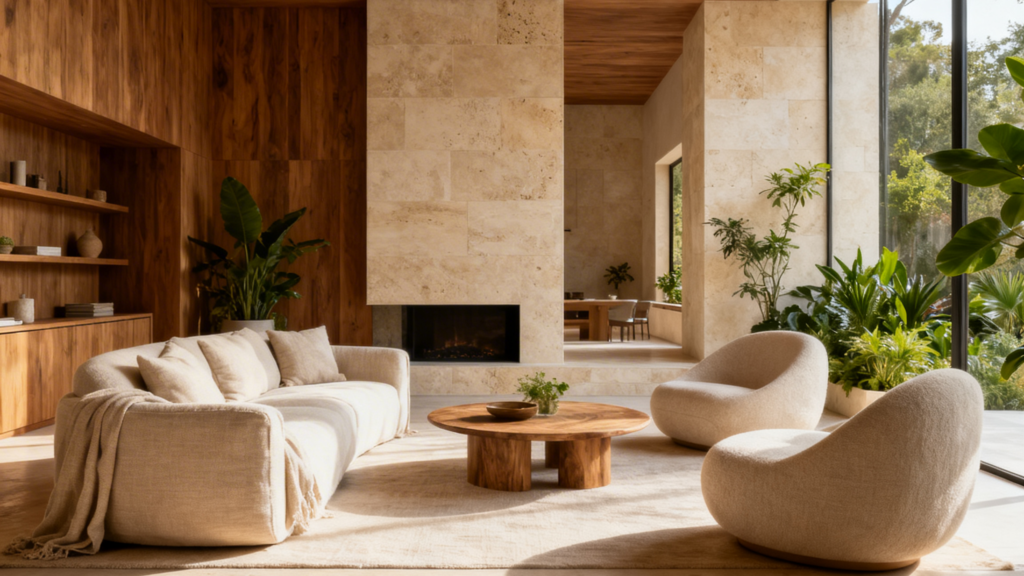
Over the next decade, I believe design will become more human, sensory and health-conscious. Circadian lighting, better indoor air quality, non-toxic materials, acoustic comfort, natural textures, biophilic design and spaces that support rest and mental wellbeing will become much more important.
The future of modern interiors will be defined by awareness. People will ask not only “How does this space look?” but also “How does this space make me feel? Does it help me sleep, focus, breathe, recover and age well?”
For me, that is the future of design: spaces that are beautiful, but also intelligent, restorative and deeply connected to human wellbeing.