

Between long haul flights and heat waves summer can send even the most disciplined health routines into a tailspin. But according to Mitun De Sarkar, a UAE based Clinical Dietitian with over two decades of experience, wellness doesn’t have to take a back seat just because you’re in holiday mode.

Founder of Simply Healthy, a holistic wellness ecosystem offering meal plans, personal training, and functional supplements, Mitun believes that sustainable health is built on small, mindful shifts, not drastic cleanses or rigid rules. “Travel is about experiences,” she says. “Enjoy the gelato, taste the local cuisine, but anchor yourself with habits that support your body.”
The Summer Nutrition Mistakes Everyone Makes
From skipping meals in the heat to relying solely on cold salads and iced coffees, summer nutrition often lacks the essential building blocks our bodies need to thrive. “I see a lot of people eating ‘light’ but missing protein, healthy fats, and nutrients that keep their skin, hormones and energy in check,” Mitun explains. Then there’s dehydration, a major culprit behind fatigue and dull skin. “Hydration is your best luxury glow product.”
How to Eat Well While Travelling
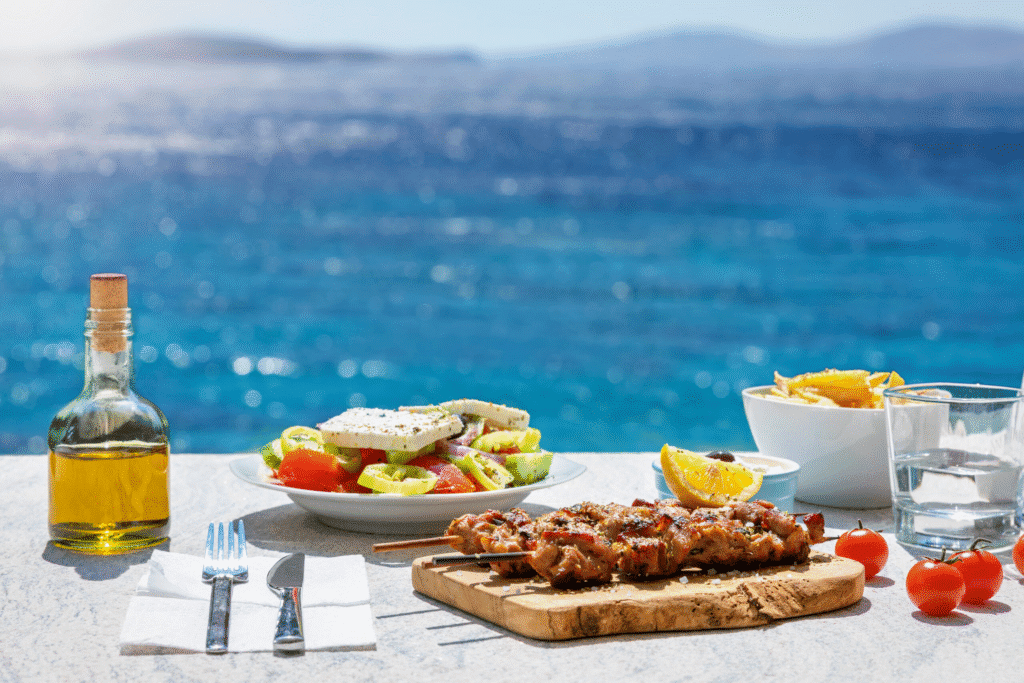
“Control what you can. Enjoy what you can’t,” says Mitun, offering her signature approach to vacation nutrition. Eat protein at every meal. Whether it’s eggs, grilled fish, or lean meat, local cuisines offer plenty of protein rich options. Always carry roasted nuts, clean-ingredient protein bars or travel friendly seed packs. Hydrate like it’s your job, especially in the heat or on flights and most importantly, walk everywhere. Walking through a new city isn’t just good for your step count; it also supports digestion, reduces bloating and helps balance blood sugar.
Underrated Summer Superfoods
When you’re exploring in the heat, choosing the right ingredients can give you an extra boost.Mitun shares her favourites. Watermelon with sea salt for a natural electrolyte boost and cucumber and mint water for simple, gut-friendly hydration. For a boost of omega-3s that keeps you feeling fuller for longer, she recommends chia seeds, while a treat for your gut and skin can be found in fermented foods like kefir and coconut yoghurt. Finally, don’t forget antioxidant powerhouses like zucchini, berries and herbs, which you can easily throw into nearly any dish.
What is Fibermaxxing?
At its core, fibremaxxing is the act of maxing out your fibre intake by loading up meals and snacks with fibre-rich foods or, in some cases, fibre supplements. While UK health guidelines recommend 30 grams of fibre per day for adults, fibremaxxing enthusiasts often aim for even higher figures in pursuit of better digestion, satiety, and overall health.
The trend emphasises whole plant foods like vegetables, fruits, legumes, seeds, and whole grains. Some people also turn to fibre supplements such as psyllium husk, inulin, or acacia fibre to top up their intake.
Fibermaxxing 101
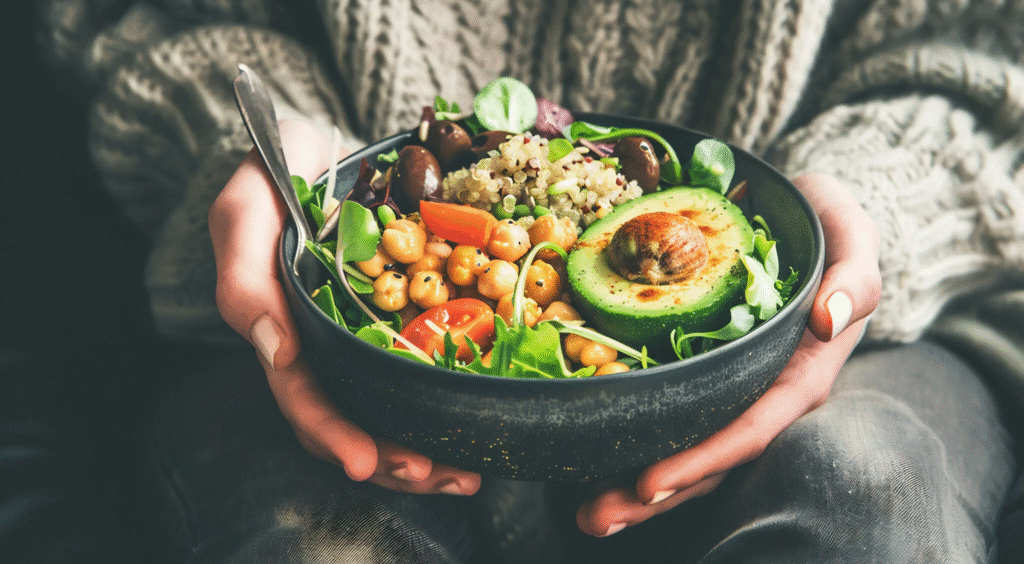
One trend Mitun supports is “fibermaxxing”, a fancy term for eating more fibre and doing it smartly. Fibre isn’t just for digestion. It supports hormones, immunity and even your mood, yet most people get less than half the amount of fibre they need.
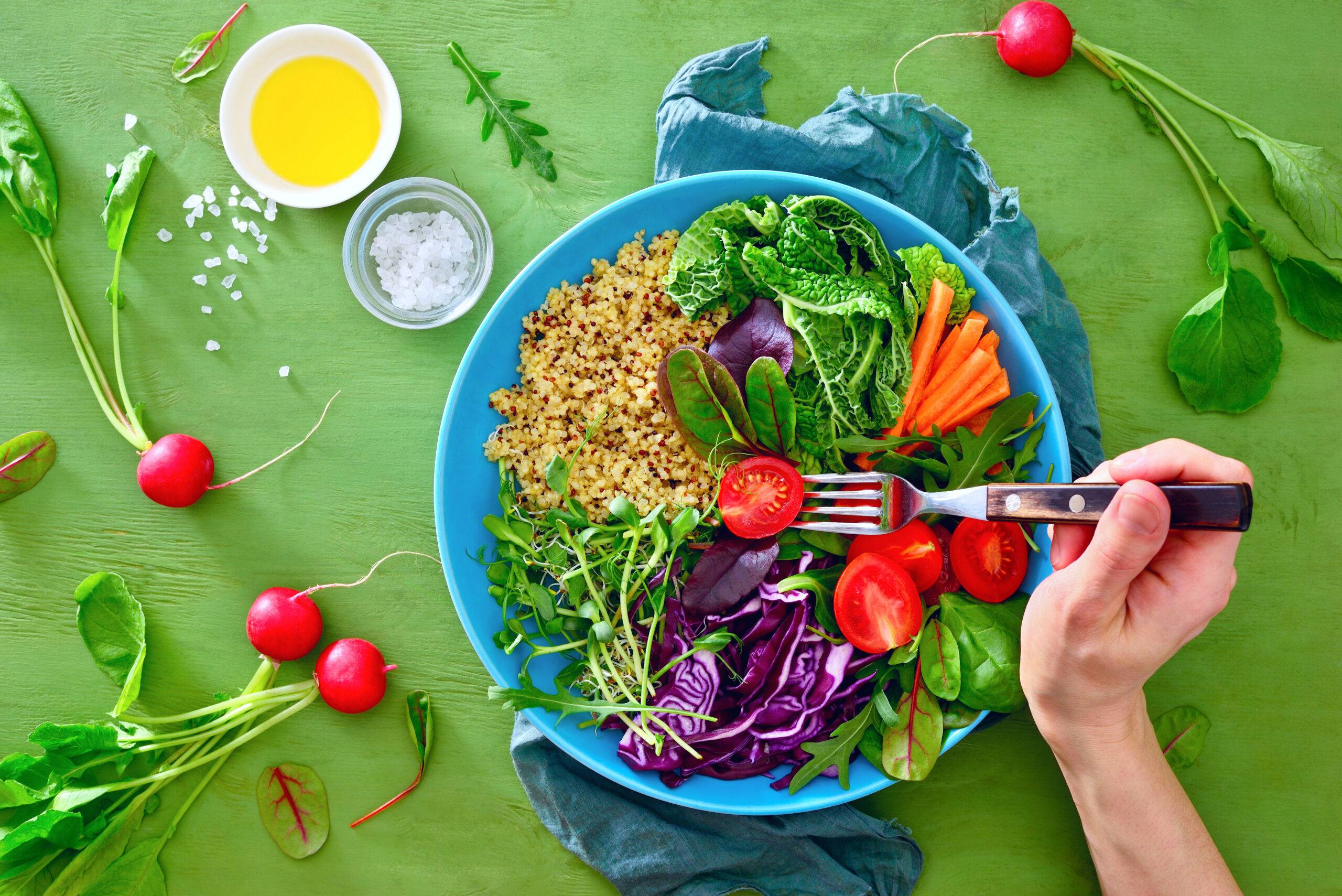
Her top tip: diversify your fibre. Different fibres feed different gut bacteria. Add soaked chia to yoghurt, swap white rice for quinoa, sprinkle flaxseeds on salads and toss lentils into your soups. It’s not about overhauling your diet overnight, it’s layering on minor upgrades. The gut responds quickly and microbiome diversity can start improving in just 48 hours with the right dietary tweaks.
The important thing is to go slow. Doubling your fibre all of a sudden is a guaranteed way to feel bloated. Start small, hydrate well, add one extra fibre-rich food daily and support digestion with gentle post-meal walks. If you’ve got gut issues like IBS or SIBO, work with a dietitian to figure out what fibres suit you best.
Fibre Affects More Than Digestion
Your gut is the secret to glowing skin and a calm mind. “90% of your serotonin receptors are in your gut,” she explains. “Feed your gut well, and your mood will thank you.” Fibre also helps regulate estrogen, lowers cholesterol, manages weight and supports clearer skin, while also reducing anxiety by nurturing the gut-brain axis, making it an all around health hero.
You don’t need to change your entire lifestyle overnight to feel better this summer. Mitun’s go to upgrades include building balanced plates and making room for protein, fibre, and healthy fats at every meal. Hydrate with intention; carry your water bottle like it’s your designer accessory, and again, move after meals. A short walk after dinner does wonders for blood sugar and digestion.
“Balance is the real luxury,” she says. “Wellness doesn’t have to mean sacrificing pleasure.”
How to Fibremaxx Safely
Fibremaxxing can become a long-term health habit if approached sensibly. Here’s how to do it properly:
- Increase Gradually: Boost your fibre intake slowly, around 5 grams per day, to allow your digestive system to adapt.
- Stay Hydrated: ink plenty of water, aim for at least 1.5 to 2 litres per day, to help fibre move smoothly through your gut.
- Prioritise Whole Foods: Focus on whole plant-based foods like lentils, berries, oats, and leafy greens. Use supplements only if necessary.
- Include Both Fibre Types: There are two types of fibre: soluble (found in oats, beans, chia seeds) and insoluble (found in whole grains, vegetables). A balanced diet includes both.
- Pay Attention to Your Body: Notice how your body responds. If you experience persistent bloating, discomfort, or irregular bowel habits, ease back or consult a healthcare professional.
Easy High-Fibre Swaps
- Swap white rice → brown rice or quinoa
- Replace crisps → air-popped popcorn
- Trade sugary cereal → bran flakes with fresh fruit
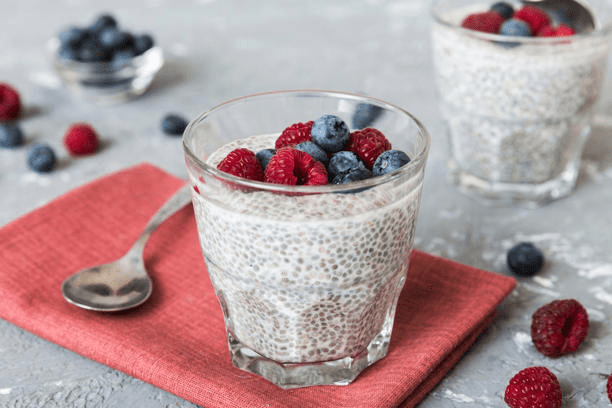
- Add chia seeds to smoothies or porridge
- Choose whole fruit instead of juice
Mitun’s Travel Nutrition Toolkit
Mitun never travels without her carefully curated nutrition toolkit. Her suggested must have essentials include protein powder sachets, probiotics and electrolyte packets to help stay on top of hydration and energy levels.
For healthy snacking on the go, she also packs nut butter jars, a small stash of roasted almonds or seeds and dried fruit like dates, figs and apricots.
A key part of her routine is also Magnesium (Citrate and Glycinate), which she always has on hand. Whether you’re jet-setting across Europe or lounging at a beach club in Bali, Mitun’s approach to nutrition is all about staying grounded, with a little preparation, a lot of hydration, and no guilt over that second scoop of gelato.