
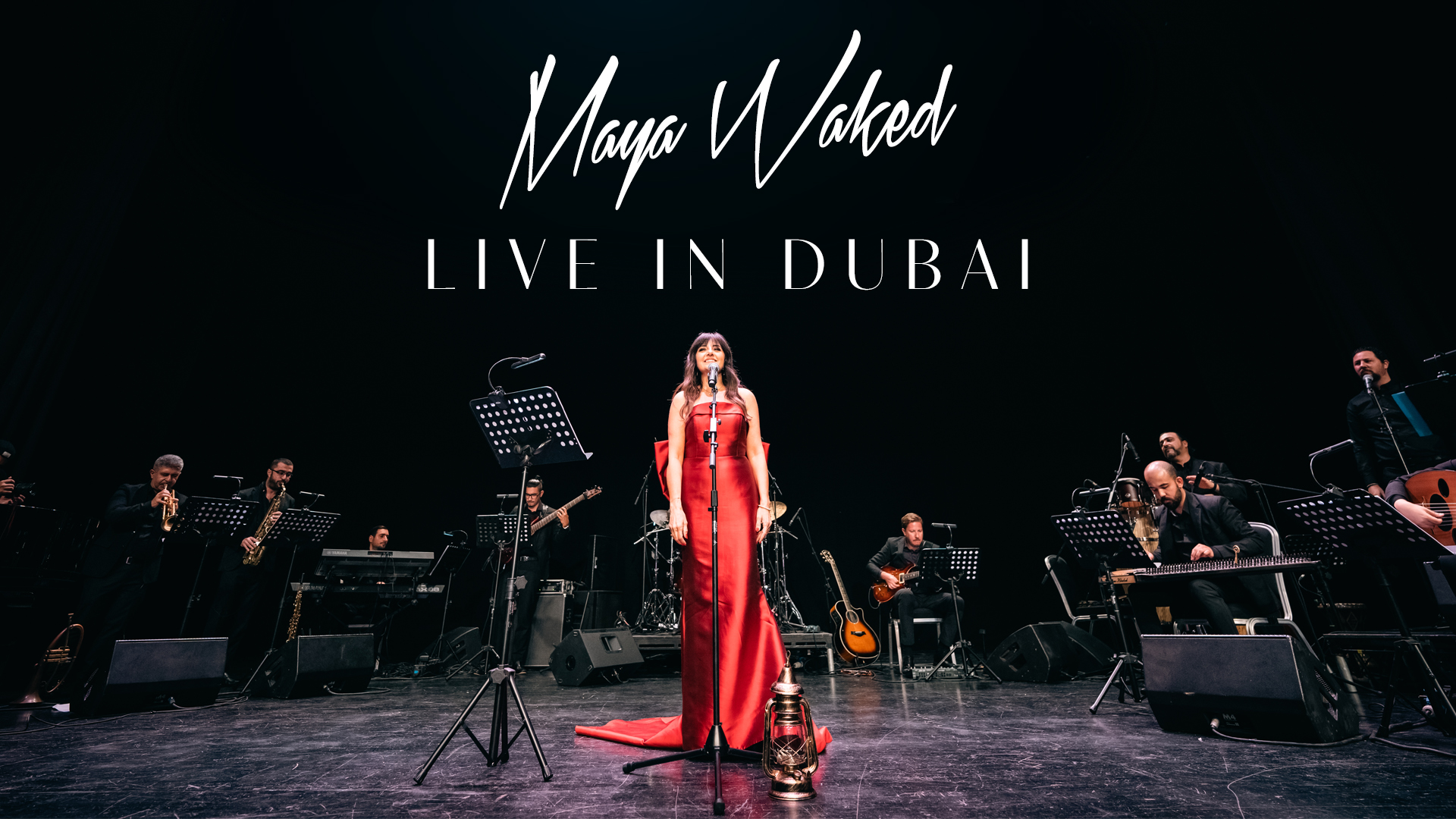

A new generation of singers is challenging a long-held assumption, that to sound contemporary one must loosen their grip on heritage. Instead, artists are demonstrating that the most compelling work emerges not from compromise, but from synthesis. Maya Waked Maya Waked Maya Waked Maya Waked Maya Waked
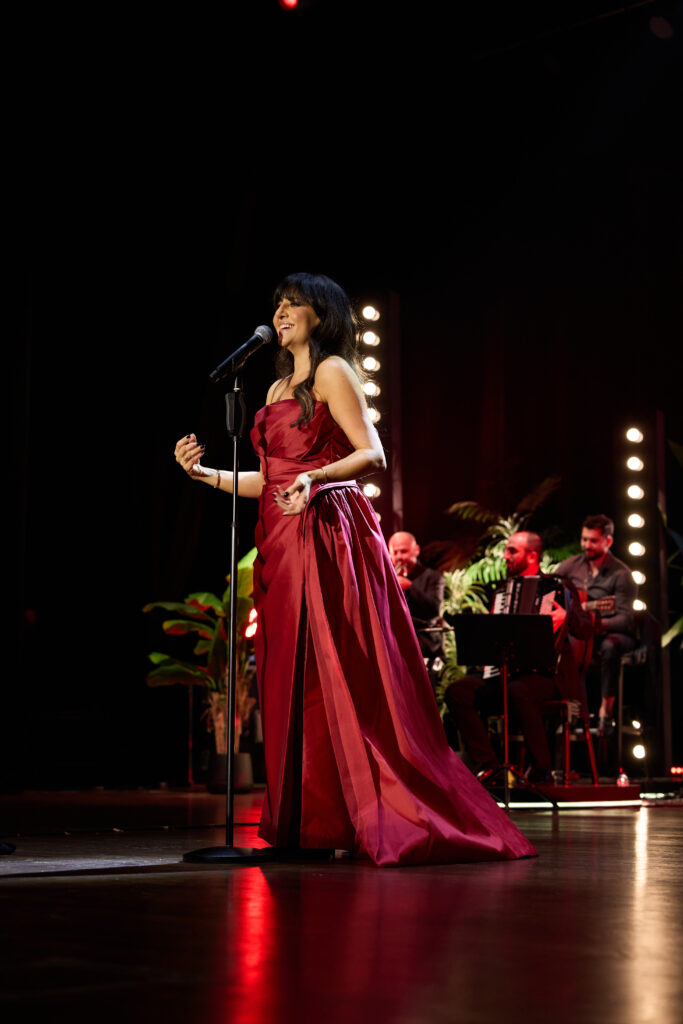
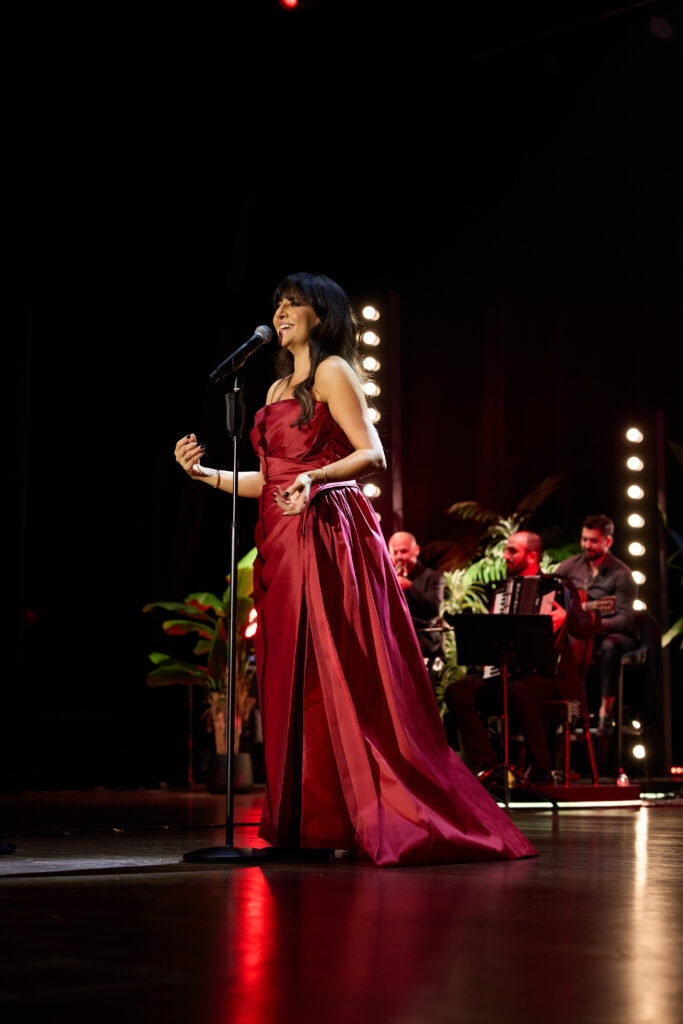
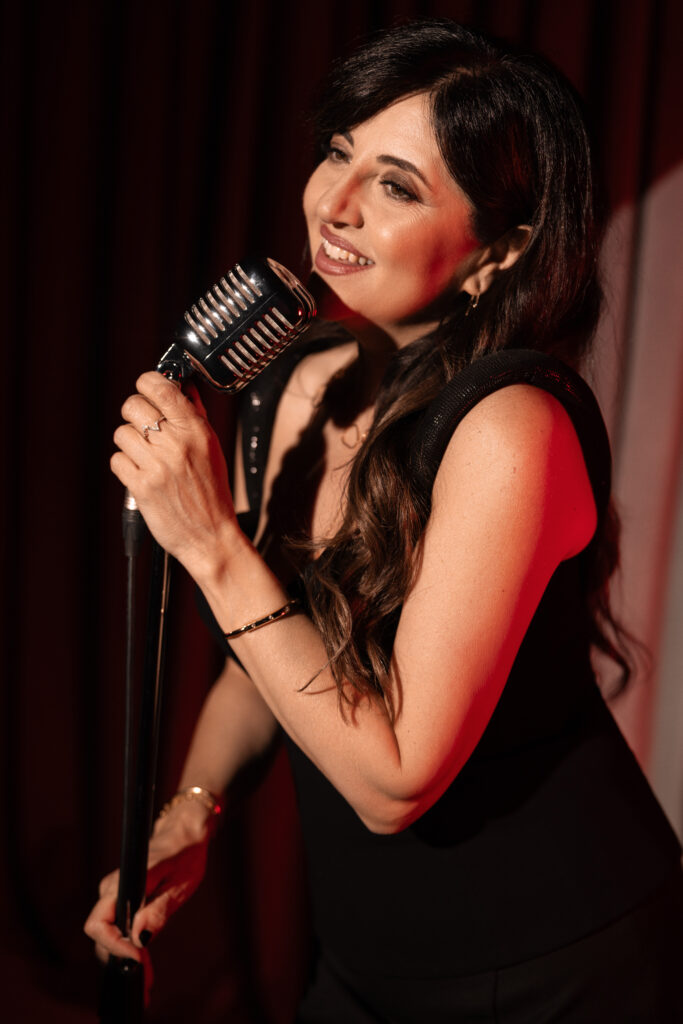
Among them is Maya Waked, the Lebanese-Canadian singer and songwriter now based in Dubai. Her work is defined by a refined balance of reinterpretation and restraint, guided by a deep sense of responsibility to the musical canon she draws from. In her hands, tradition is neither preserved in glass nor diluted for mass appeal. It is carefully reawakened.
A False Choice, Reconsidered
For years, Arab artists were subtly encouraged to choose between authenticity and modernity. Yet, as Waked reflects, this binary was never truly valid. Arab musical traditions have always been fluid, shaped by migration, exchange and reinvention. To revisit a classic is not to replicate it, but to engage in a living dialogue with the past.
Today’s artists are embracing this perspective with quiet confidence. They honour the lineage of the music they inherit while allowing their own lived realities to shape its expression. The result feels neither nostalgic nor forced. It feels truthful.
Integrity in an Age of Acceleration
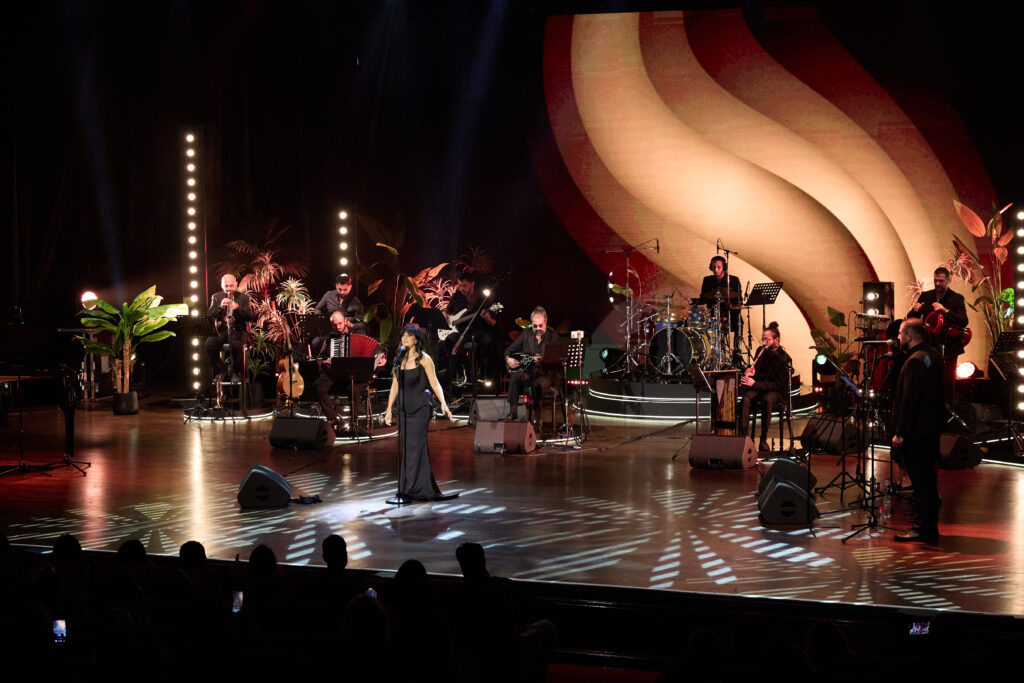
The contemporary music industry moves at an unforgiving pace. Algorithms reward immediacy, and visibility often favours volume over depth. Within this environment, integrity becomes an act of resistance.
For Waked, it requires a deliberate slowing down. It is the refusal to dilute language, tone or identity in pursuit of wider appeal. More importantly, it is an understanding that music carries weight. Audiences do not simply consume it, they see themselves within it. That recognition places a quiet but profound responsibility on the artist.
The Invisible Craft
What audiences encounter is the finished piece. What remains unseen is the discipline that shapes it.
A song begins as something fragile and unformed. It is rehearsed, reworked and tested until it begins to hold. Recordings are repeated, refined, sometimes abandoned and rebuilt entirely. Beyond the audio, there is a parallel world of visual storytelling that frames how the work is received.
This labour, meticulous and often exacting, rarely translates to the immediacy of social platforms. Yet it is precisely this unseen process that lends music its depth and permanence.
The Discipline of Emotion
Arabic music has long been defined by its emotional richness. However, the line between sincerity and excess is a delicate one.
Discipline, rather than restriction, becomes the foundation for authenticity. Through rehearsal and preparation, the artist creates stability, a framework within which emotion can be expressed with clarity rather than overwhelm. Once the technical is mastered, feeling is no longer forced. It emerges naturally, carried with intention rather than abandon.
Carrying Collective Memory
To perform a classic Arabic song is to step into something far greater than individual expression. These works are repositories of memory, woven with the emotions and histories of generations.
Waked approaches this with care. Her role is not to replicate, but to interpret, to lend her voice without severing the thread that connects the music to its origins. In doing so, she becomes both custodian and conduit, preserving meaning while allowing it to evolve.
The Making of a True Voice
Talent may open the door, but it is rarely what defines an artist’s voice.
Time, listening and lived experience shape the deeper qualities of expression. For Waked, the journey has been gradual, marked by patience and refinement. Singing, she suggests, is not simply about precision, but about resonance. It is the ability to translate personal feeling into something universally felt.
In this emerging era of Arab music, that distinction is becoming increasingly clear. The artists redefining the landscape are not those who move fastest, but those who move with intention.