

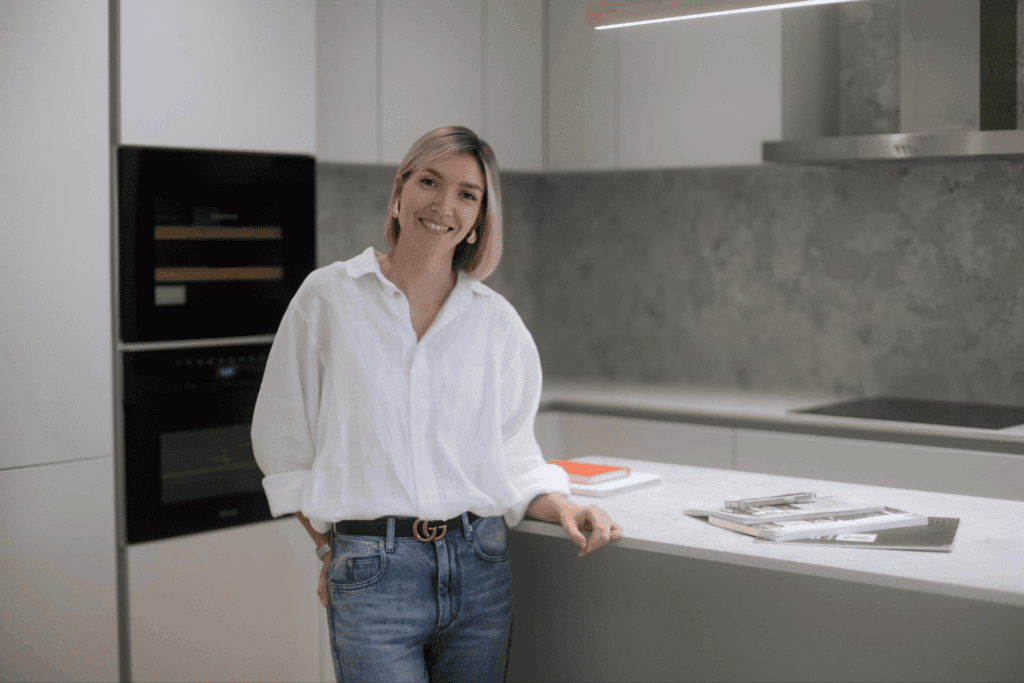
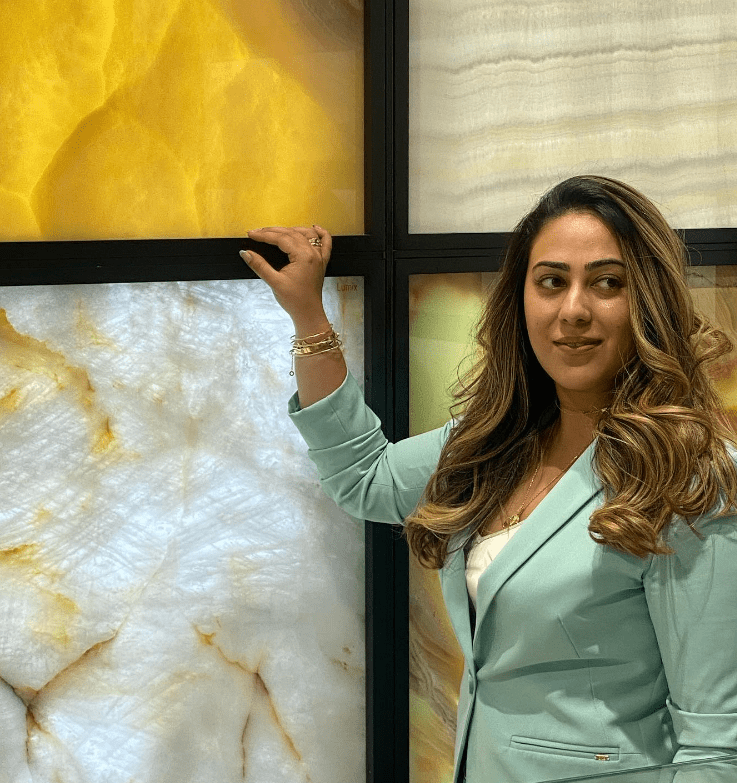
If you’ve ever paused in front of a coffee table and thought, “How do I make this feel more… me?” you’re not alone. I recently spoke with three sets of design experts — Kadambari Uppal of KAD Designs, Yulia Sukhanova of COLABB Interiors, and Huma Mirza and Sarrah Ajabshah from The Styling Duo — and their insights completely changed the way I look at the heart of a living room.

It turns out styling a coffee table isn’t about filling it with pretty objects. It’s about balance, personality, and telling a story that feels alive. Here’s what I learned.
Start With Intention
One thing that struck me immediately is how intentional everything should be. Kadambari Uppal reminded me, “I first define the mood of the space, whether it is meant to feel sculptural and minimal or layered and lived-in.”
Yulia Sukhanova added another layer of thought: “I need to see how the table connects with the light, materials, and rhythm of the space.”
And Huma and Sarrah summed it up beautifully: “Every item placed on it needs to feel intentional, both reflective of the client’s personality and harmonious with the overall design language of the space.”
Before you grab a candle or a stack of books, step back, look at the table, and sense the space. That pause sets the tone for everything else.
Layer With Care
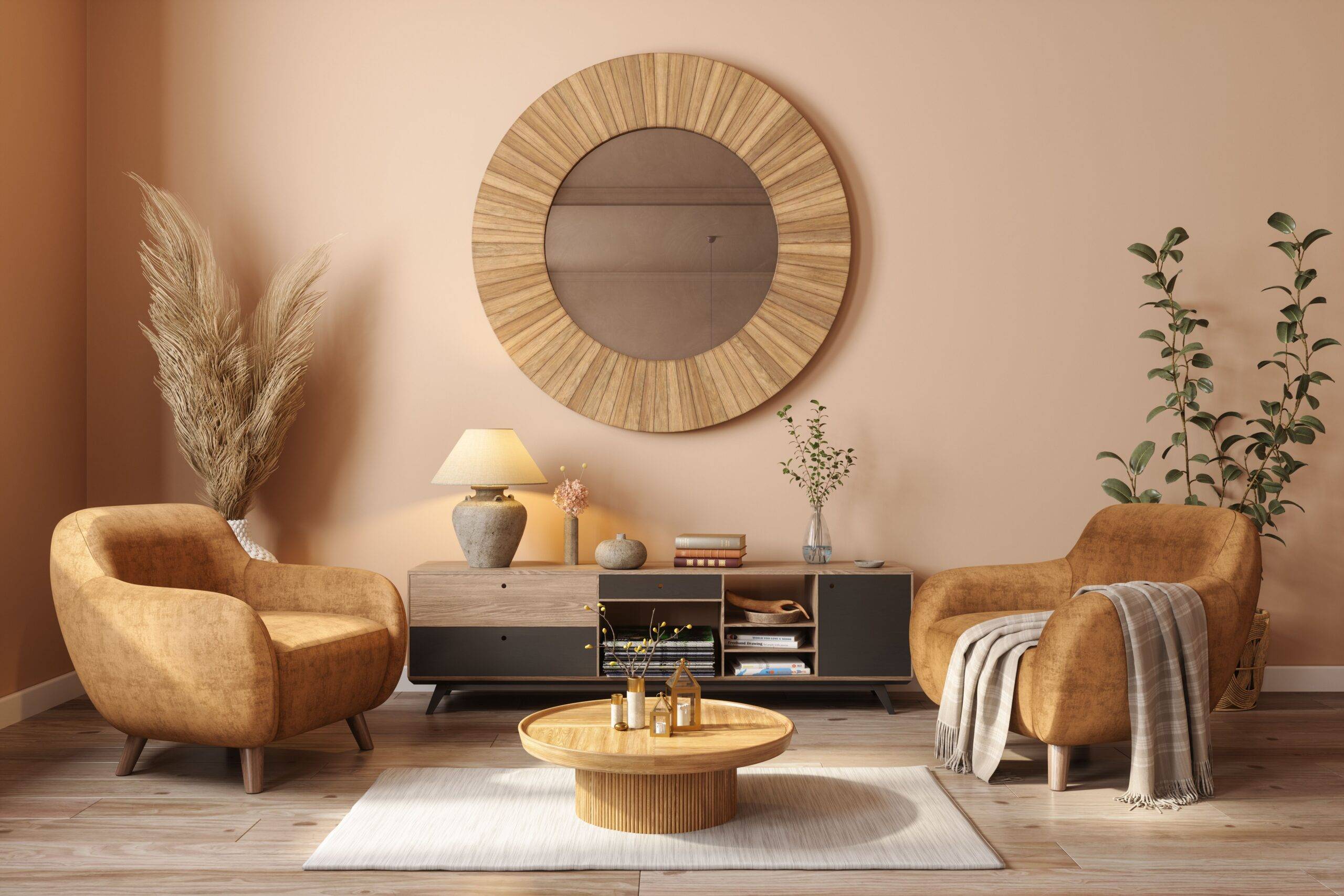
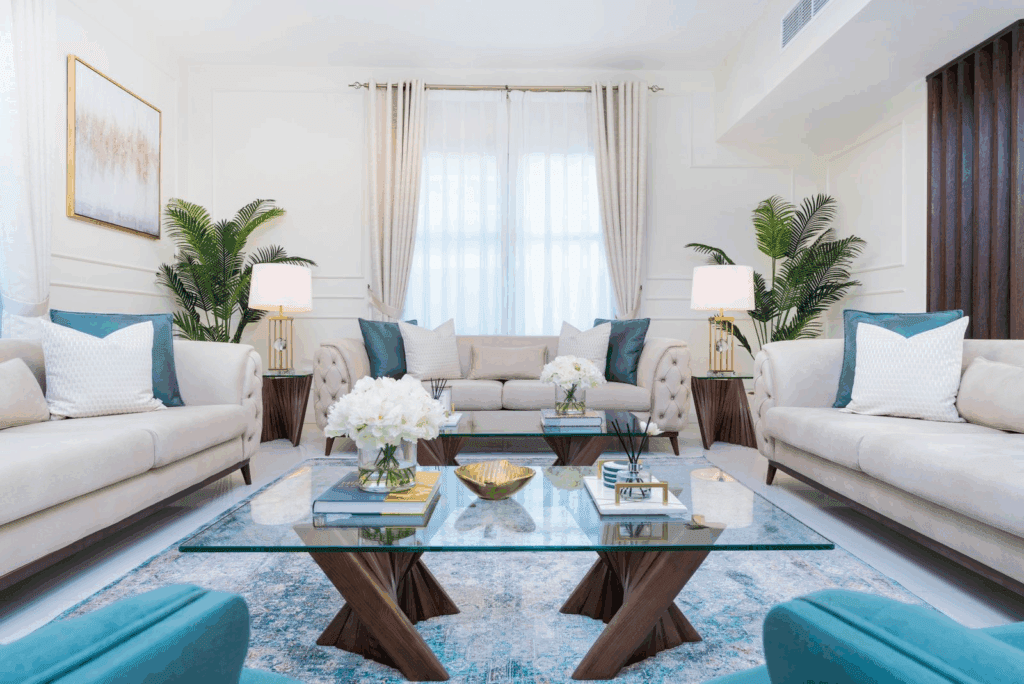
Once intention is clear, layering is where the magic happens. Huma and Sarrah explain: “The main secret of styling a coffee table is layering. It’s about playing with heights, materials, and forms so that the arrangement feels dynamic rather than flat.”
Kadambari echoes this: “Contrast creates interest, but balance creates beauty.” Even simple variations — a low tray beside a tall vase, a matte ceramic bowl beside a glossy glass vessel — can make a table feel alive.
Yulia adds that proportion is key: “Usually, three to five elements are enough. I like to divide the surface visually — one area for height and structure, one for texture, and one that stays open to breathe.”
Texture Is Everything
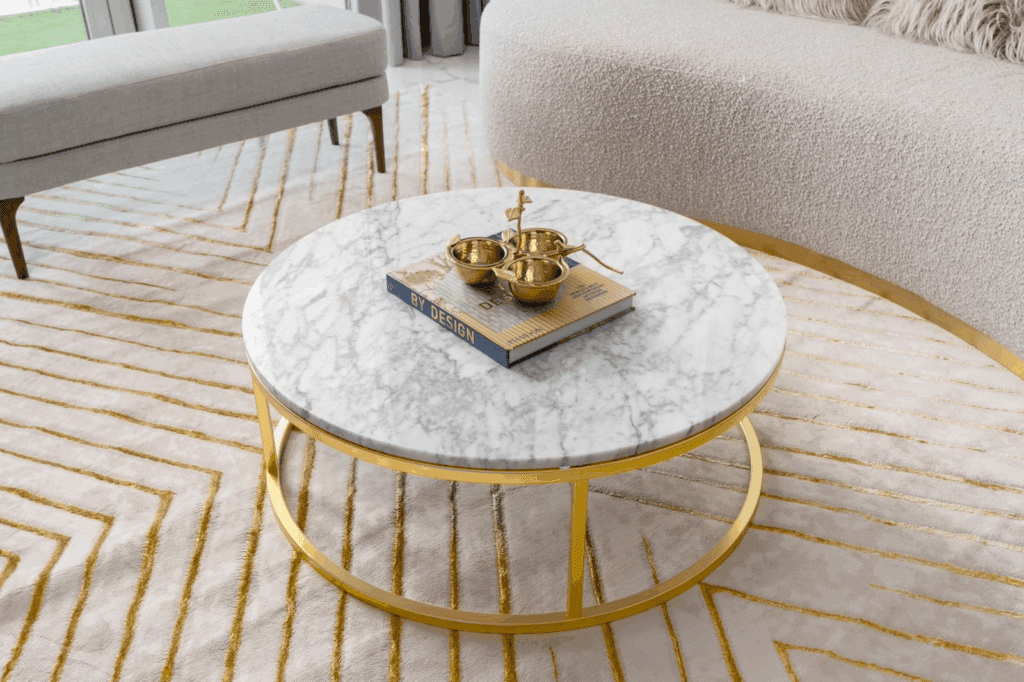
Texture makes a table tactile and inviting. Kadambari likes warm and sophisticated combinations. “Too many reflective surfaces can feel cold,” she says.
Huma and Sarrah focus on artisanal, imperfect materials: “We are drawn to handblown glass, irregular pottery, paired with structured metallics to strike that delicate balance between soul and sophistication.”
Yulia adds: “A table feels complete when you want to touch it, not just look at it.” Texture brings depth and human warmth to any space.
Make Practical Beautiful
Remotes, coasters, and chargers are part of daily life. Kadambari calls it “elegant concealment,” using trays or small boxes to keep essentials accessible but discreet.
Huma and Sarrah add: “Inside the tray, I might pair a small vase with fresh stems, a diffuser or candle, and a lidded box to discreetly store remotes or small essentials.”
Yulia emphasises proportion and rhythm, showing how practical items can integrate seamlessly. Functional objects don’t have to compromise beauty — they can elevate it.
Colour, Calmly
Colour unifies without overwhelming. Kadambari works with tonal layers, Huma and Sarrah follow the 70/20/10 rule, and Yulia prefers echoing the room’s palette.
A little greenery goes a long way: “Almost all our coffee tables have a little green plant to add the element of serenity,” Huma and Sarrah say. Small accents of natural colour bring life and calm.
Adjust for Space
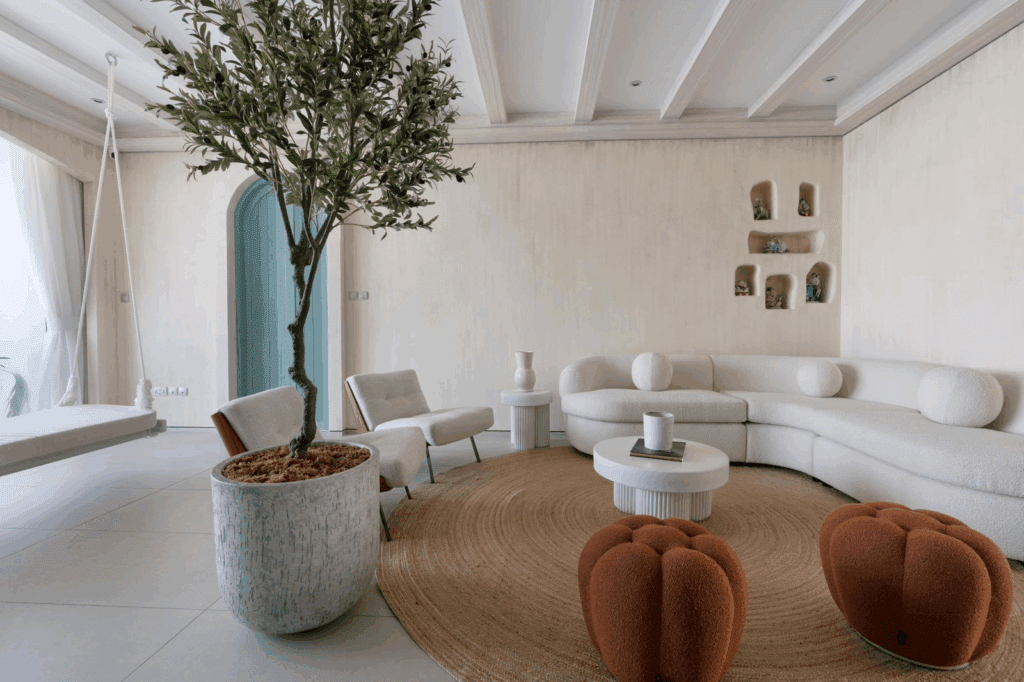
Size and layout shape the styling. In smaller rooms, Huma and Sarrah suggest a nesting table with minimal decor. Larger spaces benefit from visual zones — perhaps a dramatic vase here, a stack of oversized books there, and a sculptural object in another.
Kadambari and Yulia stress proportion. Slight asymmetry and layered heights make the table feel effortless and human.
The Finishing Touch
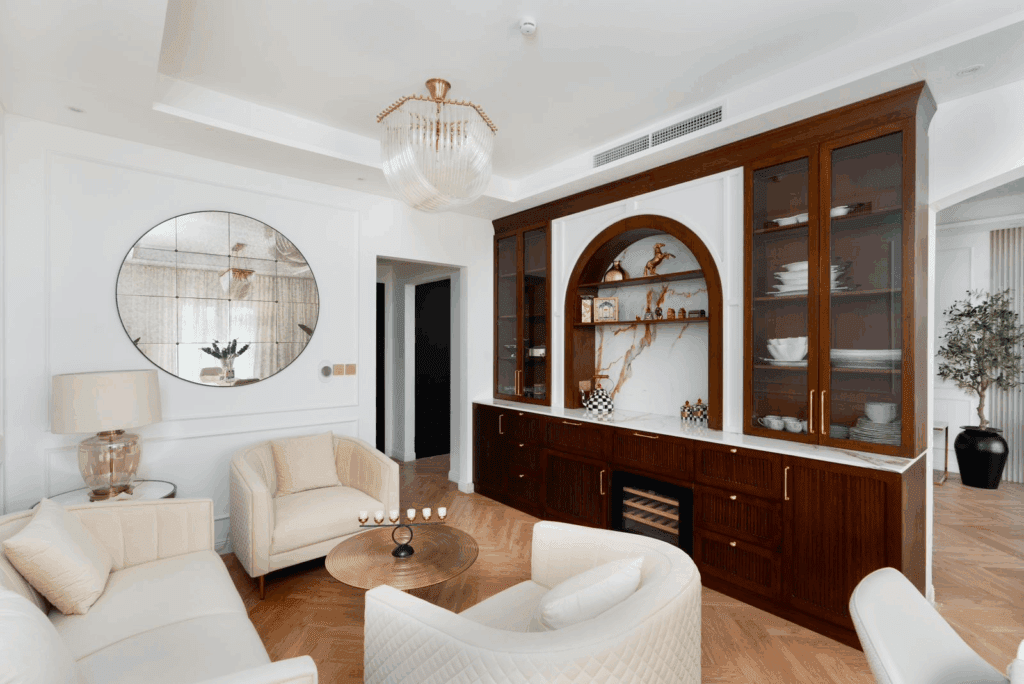
The experts all agree: small details matter. Greenery, soft lighting, tactile finishes, and subtle imperfections — like a book slightly askew — make the space feel alive. A coffee table isn’t static; it changes with the day, the season, and the people around it. When styled with care, it becomes more than furniture — it becomes a reflection of life itself.