

Recovery has become just as important as movement itself, with a growing number of wellness spaces focusing on nervous system regulation, cellular health, restorative therapies, and long-term energy rather than quick fixes.
Across Dubai, the language of wellness is evolving. Red light therapy, lymphatic drainage, adaptogens, and mitochondrial health are becoming part of everyday conversations, moving wellness beyond aesthetics and into something more holistic and sustainable.
Two concepts currently leading that shift are Akari and BOOST, each approaching modern wellness from a different angle while reflecting the same broader movement towards recovery-led living.
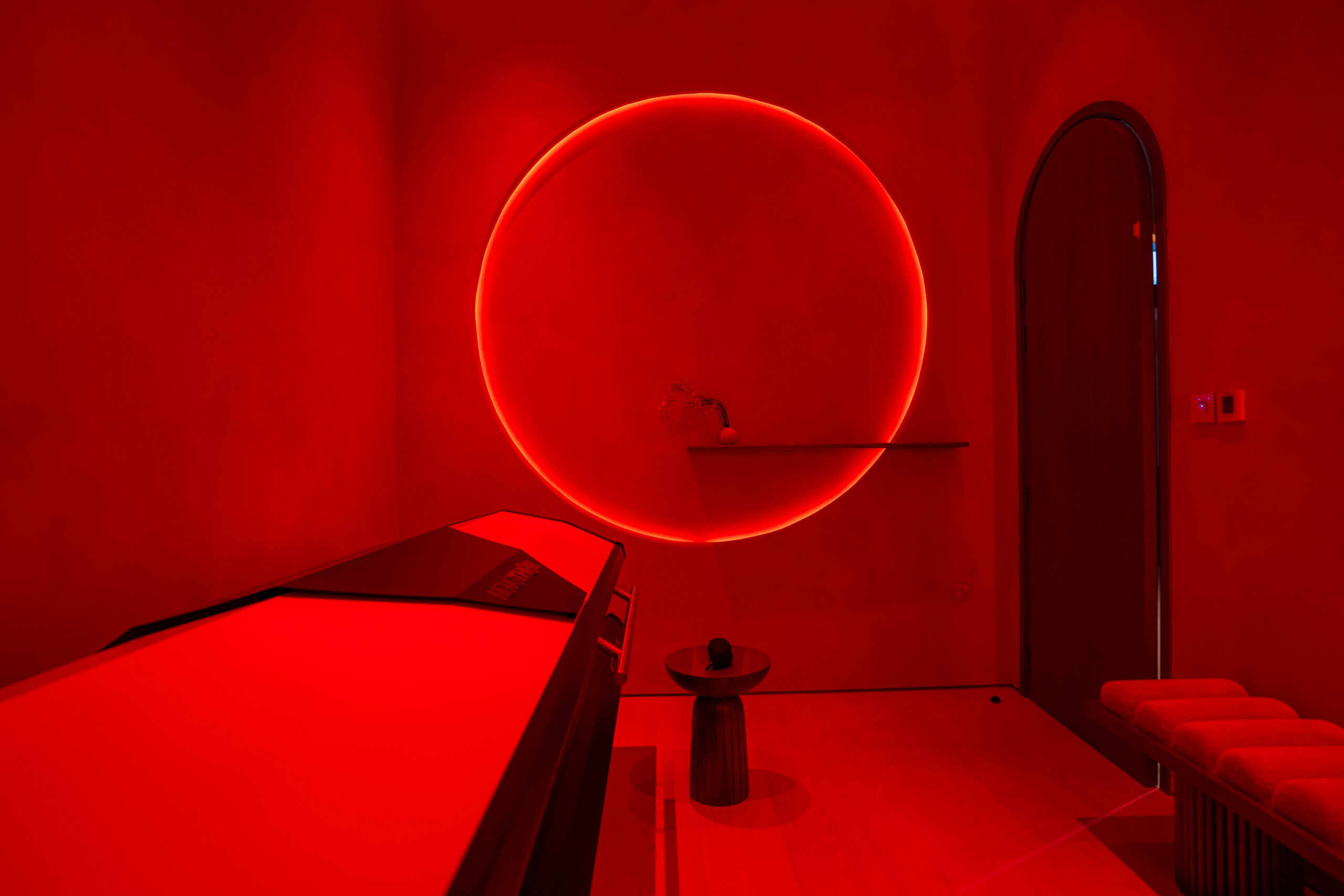
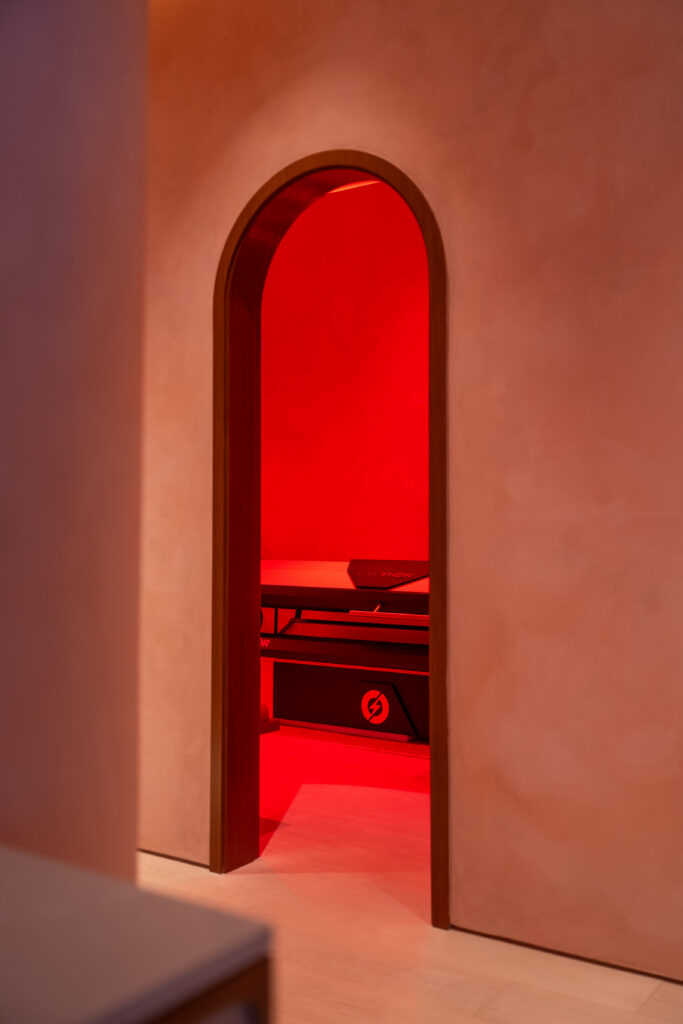
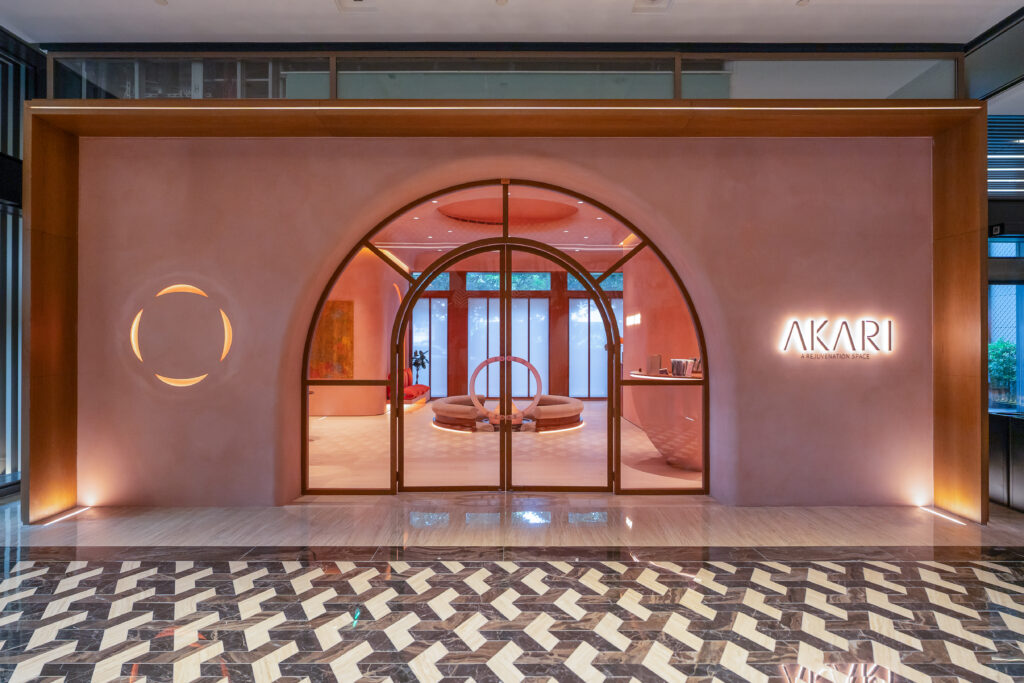
Located in One Central, Akari positions itself as a science-led rejuvenation space centred around mitochondrial health, focusing on how the body produces and sustains energy at a cellular level. The concept feels intentionally calm from the moment you step inside. Soft lighting, muted pink interiors, and curved architectural details create an environment that immediately slows the pace down without feeling clinical or intimidating.
Rather than offering an extensive menu of treatments, Akari keeps its approach focused and targeted. Among its hero therapies is Intermittent Hypoxia Hyperoxia Training (IHHT), a treatment designed to stimulate the body’s natural renewal process by alternating oxygen levels while guests relax inside private meditation pods. The concept may sound highly technical, but it taps into a growing interest in preventative wellness and optimising energy, recovery, and sleep quality from within.
Alongside IHHT, Akari also offers whole-body Red Light Therapy through the NovoTHOR light bed, which uses red and near-infrared light to support cellular repair, reduce inflammation, improve muscle recovery, and promote skin health. Compression therapy is also part of the experience, designed to improve circulation and recovery, particularly for those balancing demanding schedules, frequent travel, or intense training routines.
What makes Akari particularly interesting is that it avoids feeling overly medical despite its science-backed foundation. The space balances clinical wellness with warmth and design in a way that feels approachable rather than overwhelming.
That balance extends into its Brain Bar, a functional nutrition concept built around adaptogen-infused drinks and brain-boosting beverages. Signature offerings include “Shroom for Thought,” an adaptogen-infused coffee, alongside collagen cacao lattes and sparkling hibiscus teas designed to support focus and cognitive wellbeing. It reflects a broader shift happening across wellness globally, where nutrition is increasingly being viewed through the lens of mental clarity, energy support, and hormonal balance rather than simple calorie counting.
Akari has also partnered with Cyan Wellness to introduce the Renata França Brazilian lymphatic drainage method, known for its sculpting and circulation-boosting benefits. Once largely associated with celebrity wellness routines and post-event treatments, lymphatic drainage has now firmly entered mainstream wellness culture in Dubai, sitting somewhere between beauty, recovery, and preventative care.
While Akari leans into advanced therapies and biohacking-inspired wellness, BOOST approaches recovery from a more lifestyle-driven perspective.
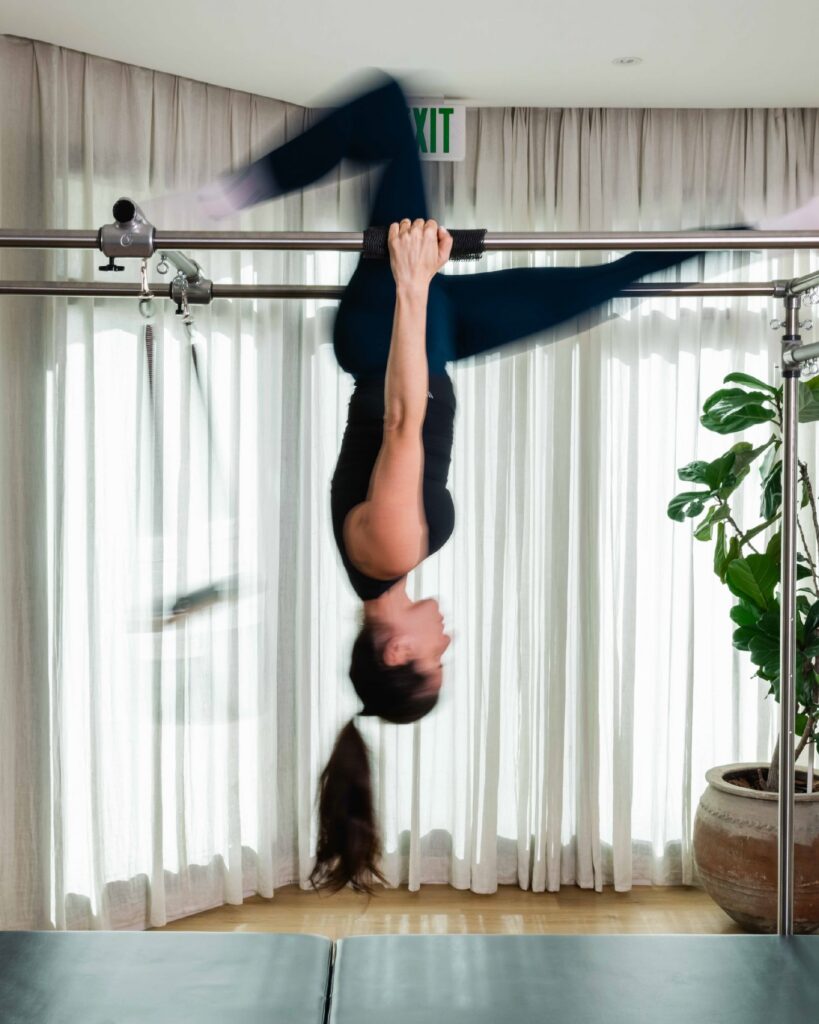
This Eid season, BOOST introduced a limited-time “Eid Wellness Reset” package across both its City Walk location and Villa BOOST in Al Safa 2, combining movement classes with restorative treatments designed to help guests recharge both physically and mentally.
The package includes movement sessions, Red Light Therapy, and a Brazilian Lymphatic Massage, reflecting how integrated wellness has become. Fitness is no longer being treated as something separate from recovery. Instead, wellness spaces are increasingly building experiences that combine both under one roof.
BOOST has steadily positioned itself as more than just a fitness studio, focusing on movement, recovery, and community equally. Its classes remain central to the concept, but the addition of therapies traditionally associated with luxury spas or wellness retreats speaks to a wider cultural shift. People are becoming more conscious of burnout, overstimulation, poor sleep, stress management, and sustainable energy levels, especially in cities where fast-paced routines are the norm.
There is also a growing understanding that recovery itself is productive. Rest is no longer being framed as laziness or indulgence, but as something essential for physical performance, focus, and overall wellbeing.
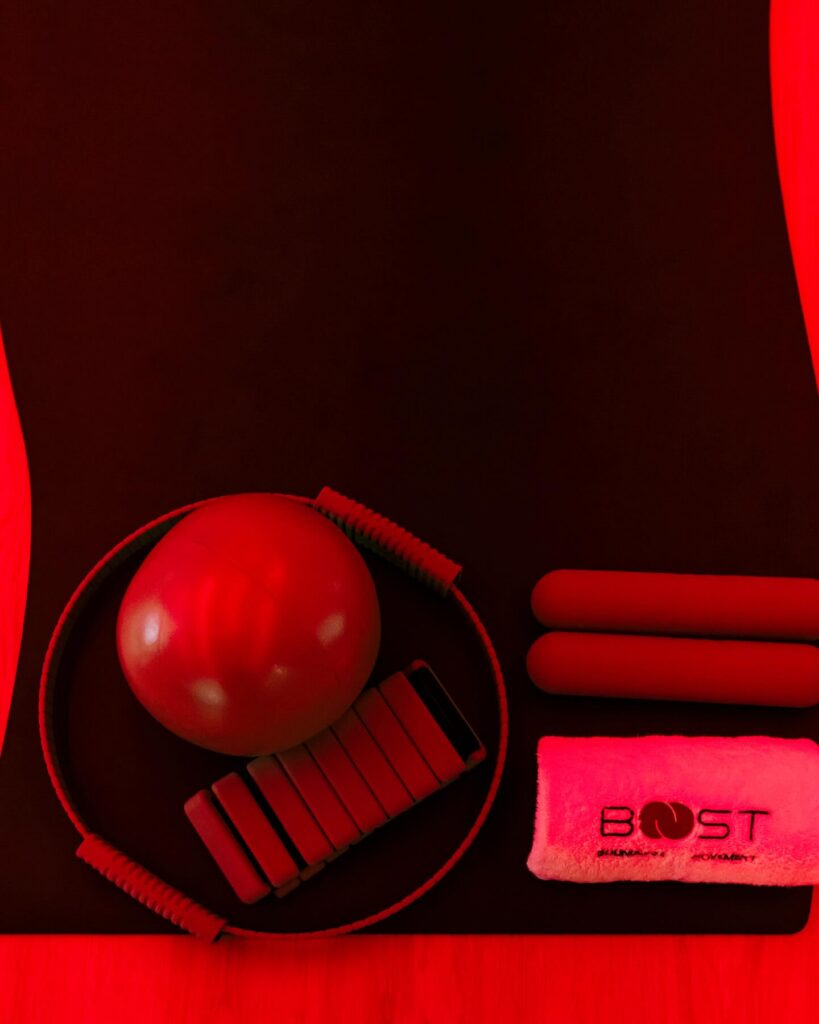
That mindset is shaping Dubai’s wellness landscape in noticeable ways. Spaces are becoming more hybrid, combining fitness, recovery, nutrition, social connection, and aesthetics into a single experience. Wellness is becoming less about extremes and more about creating routines people can realistically sustain.
Whether through advanced mitochondrial therapies at Akari or BOOST’s more accessible movement-and-recovery approach, Dubai’s wellness scene is clearly moving towards something more intentional. The focus is shifting from simply looking healthy to actually feeling well, rested, energised, and capable of keeping up with modern life without constantly running on empty.