

Most menus lean heavily on familiar favourites, which is why I was immediately intrigued by Jodhpur Bar & Kitchen’s decision to shine a spotlight on the cuisine of Rajasthan, particularly the Marwar region. It’s a part of Indian cuisine that isn’t nearly as common in Dubai, making the experience refreshingly different.
The Setting
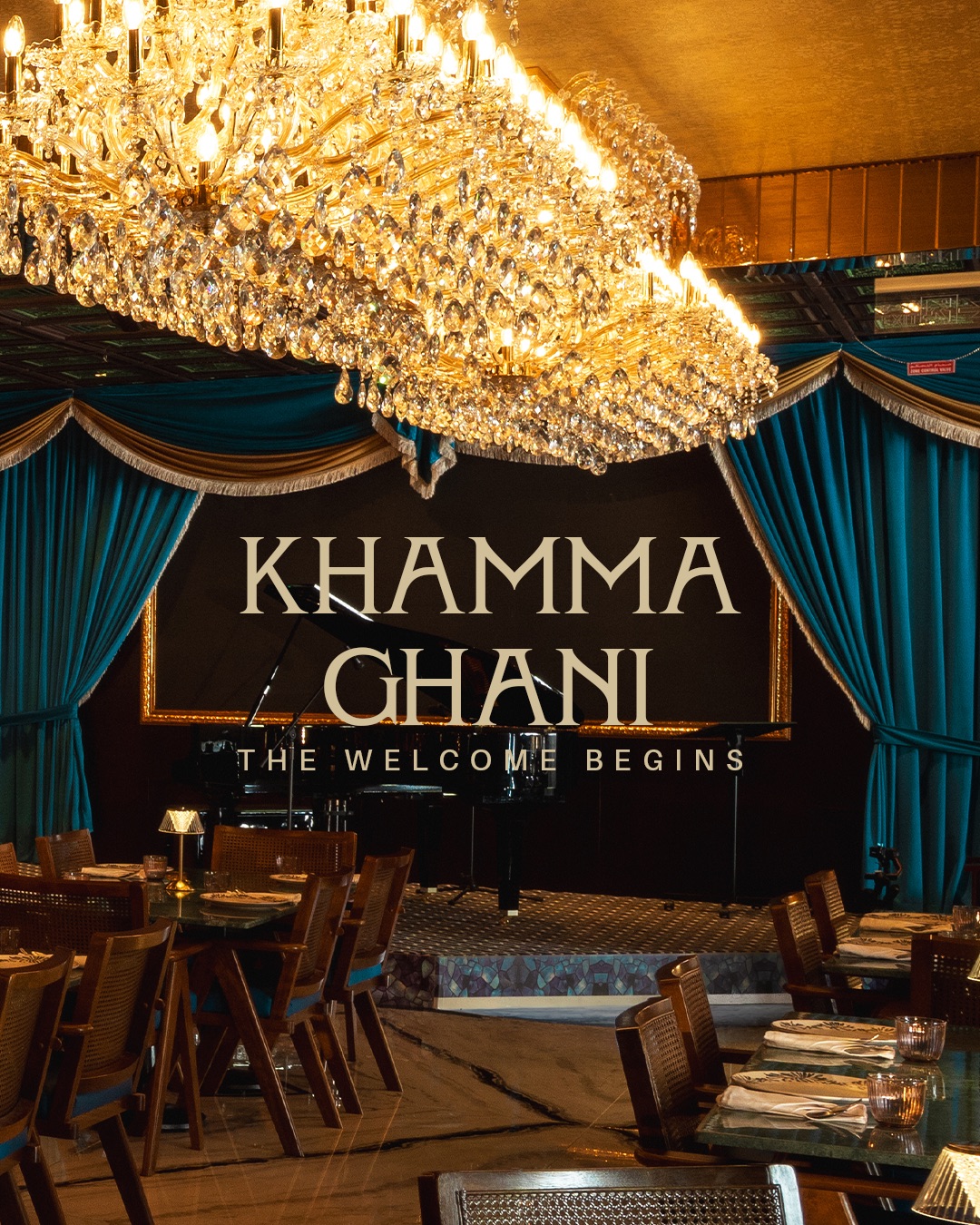
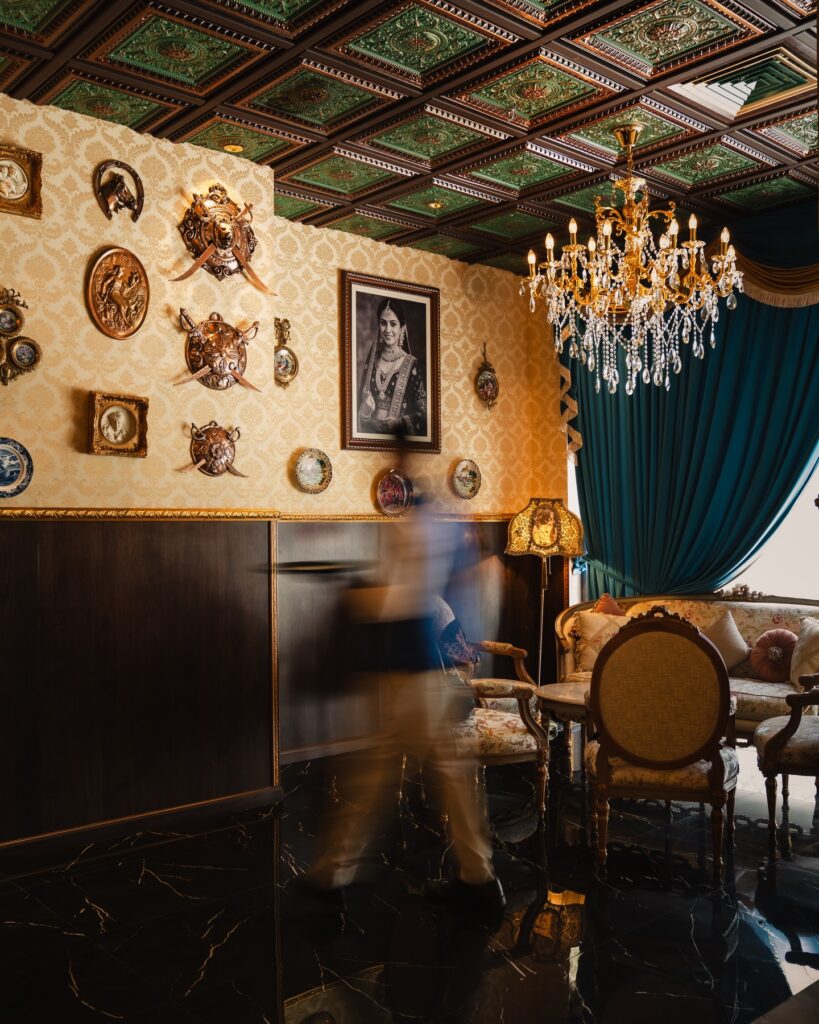
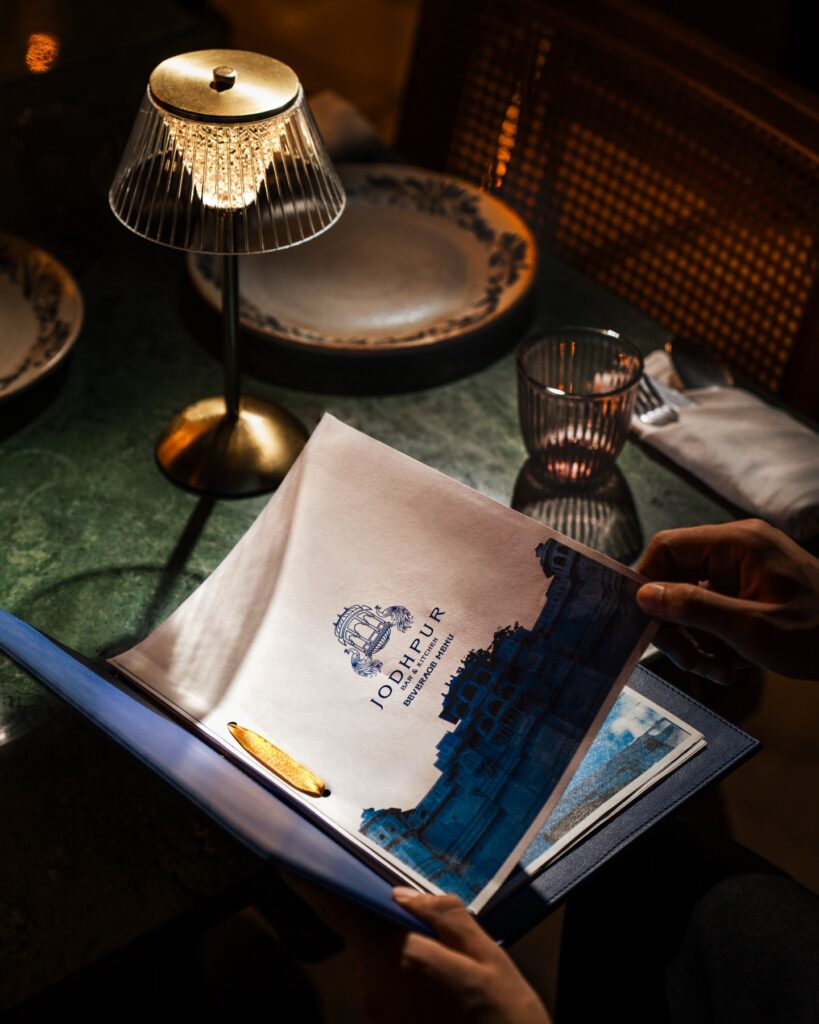
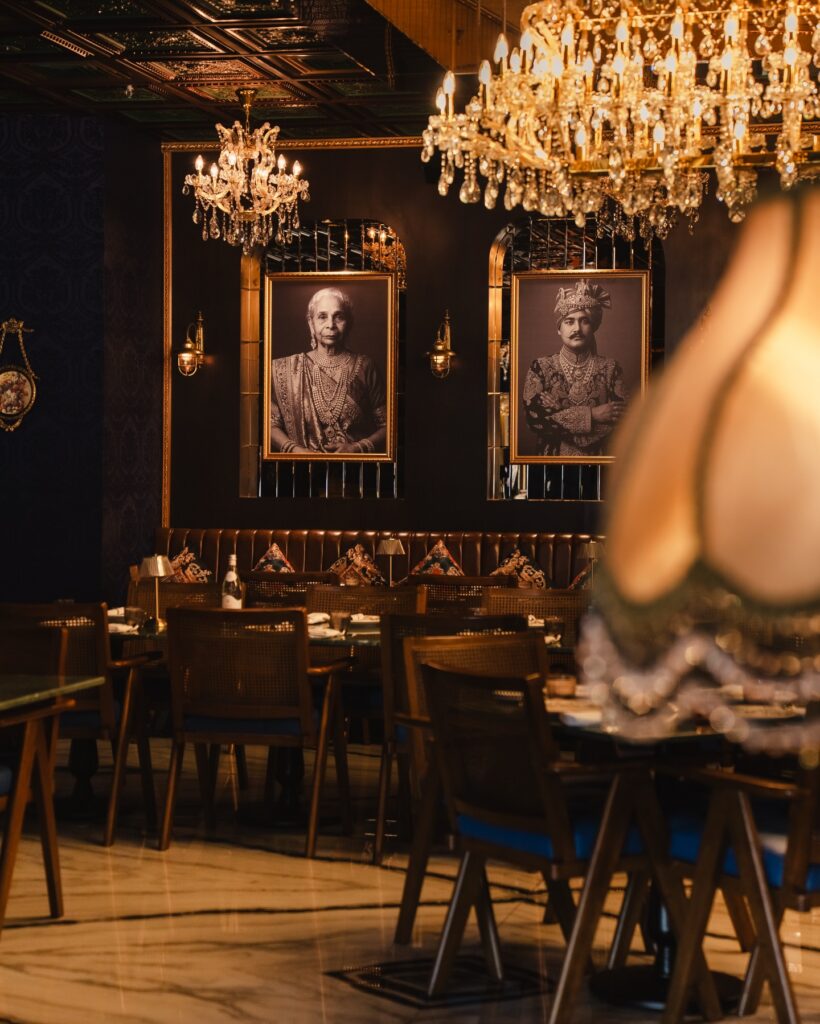
Located inside Hyatt Place Dubai Jumeirah, the restaurant draws inspiration from Rajasthan in more ways than one. The first thing that catches your eye is the dining room itself. Rich navy walls are lined with portraits of Indian royalty and vintage photographs, while emerald-green embossed ceilings, crystal chandeliers and plush seating create an elegant setting that immediately sets the tone for the evening.
A stage complete with a grand piano hosts live performances during weekend, although on my Monday evening visit, the atmosphere was relaxed, with soft music providing a pleasant backdrop for dinner.
Service made an excellent first impression too. The team were warm, attentive and enthusiastic about the menu, happily talking us through the drinks before explaining the dishes as they arrived. Those little interactions always make a difference, especially when you’re trying dishes that aren’t particularly familiar.
We decided to share as much as possible, which turned out to be the right decision because it allowed us to explore a good cross-section of the menu.
The Meal
The meal started with two chaats and both immediately reminded me why this style of street food remains one of my favourite ways to begin an Indian meal. The Gewar Chaat combined creamy yoghurt and dahi vada crumble inside a crisp ghewar shell, finished with a playful tamarind fruit medley that brought sweetness, tang and crunch together beautifully.
The Makhaniya Dahi Vada came with soft lentil dumplings blanketed in saffron yoghurt and house chutneys. Chaats are such a staple in Indian cuisine and are often difficult to get wrong, but these were particularly satisfying, with tons of flavour and contrasting textures in every bite.
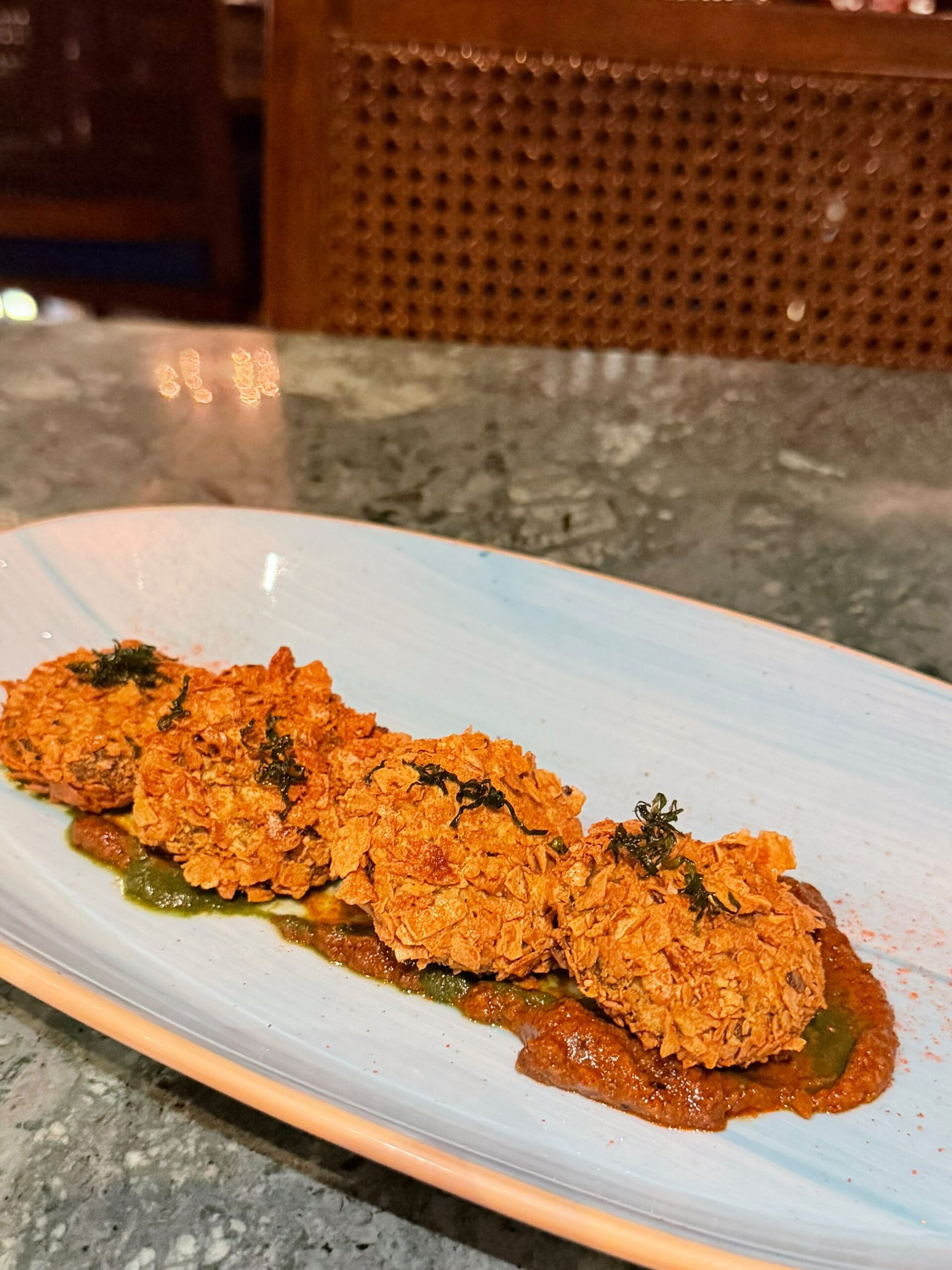
Next we were served with the vegetarian appetisers and the Sai Bhaji Cutlet quickly became one of my favourite vegetarian dishes of the evening. Inspired by the traditional Sindhi recipe, the cutlets were coated in crunchy goodness. They were wonderfully crisp on the outside, soft inside and packed with spice and flavour. I loved how much crunch they retained, while the kachri chutney and papad churi added even more texture. I absolutely love when a dish delivers multiple textures in one bite, hats off to the chef for this one.
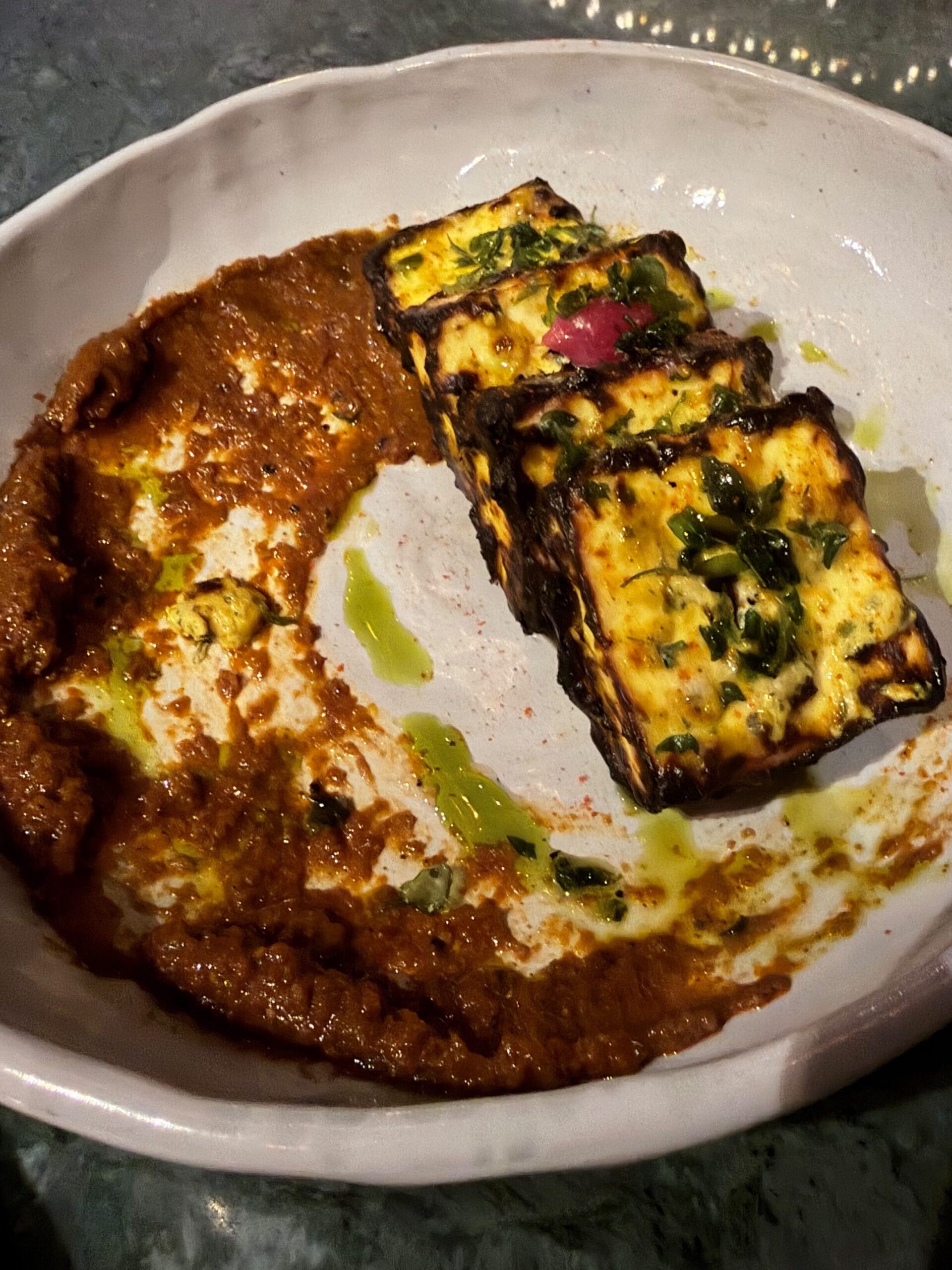
The Nagauri Mirchi Paneer Tikka had a lot to live up to because paneer tikka is something I almost always order when I eat Indian food. Thankfully, it didn’t disappoint. The paneer remained beautifully soft beneath its aromatic marinade and the accompanying chutney was so good that I found myself reaching for it to pair it with other dishes on the table.
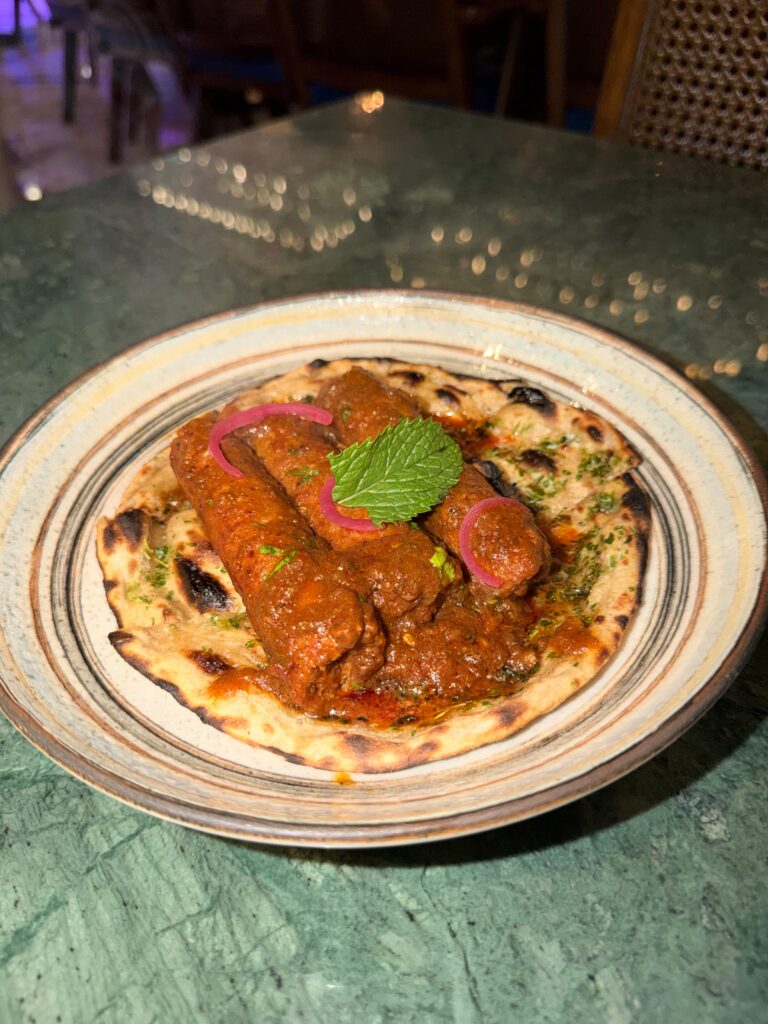
The non-vegetarian appetisers continued the delectable momentum. The Jodhpuri Laal Maas Seekh delivered smoky mutton seekh kebabs cooked in the tandoor with just enough warmth from the Mathania chillies, while the flaky methi paratha alongside them deserved just as much attention.
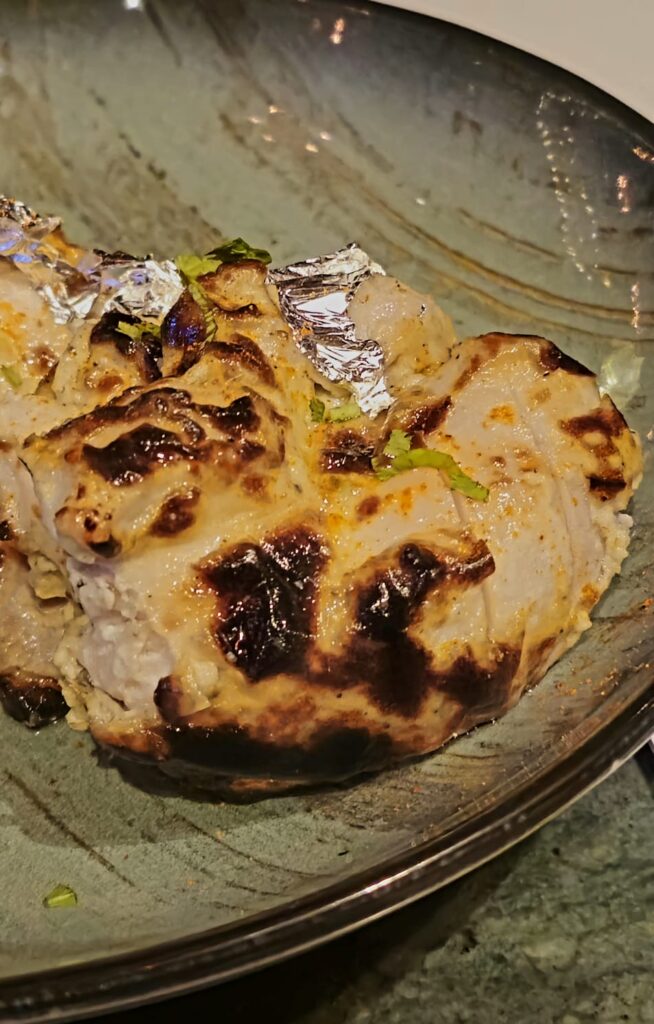
But if I had to choose one standout from the entire evening, it would easily be the Rajwadi Safed Maas. The chicken was unbelievably tender, the creamy nut-based marinade was rich without being heavy and every bite seemed to reveal another layer of flavour. It’s the one dish I’d go back for without hesitation.
The mains introduced some of the restaurant’s more traditional regional dishes. The Sindhi Mutton was exactly the sort of comforting curry you’d happily spend an evening eating, full of slow-cooked flavour and warming spices. The bigger surprise, though, was Jodhpur At It’s Best, a trio of papad sabzi, churma and crispy bhindi. I wasn’t quite sure what to expect, but it ended up being one of the most interesting plates of the meal. There was crunch, savouriness and a subtle sweetness all working together, while the kadhi poured over the dish tied everything together beautifully.
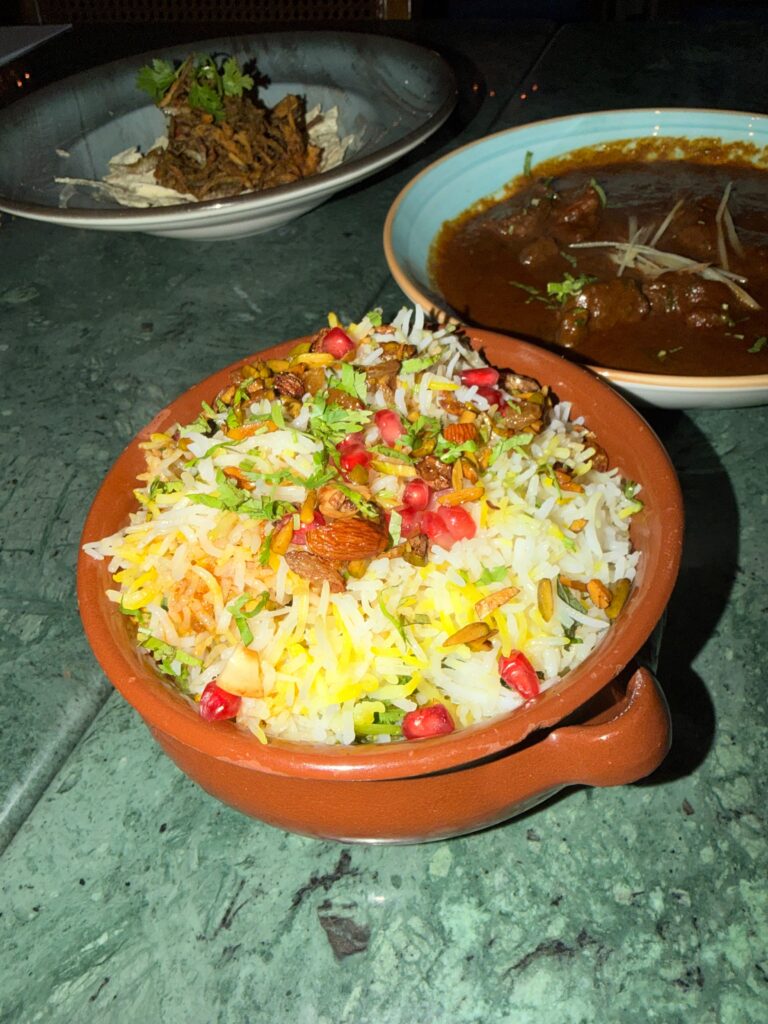
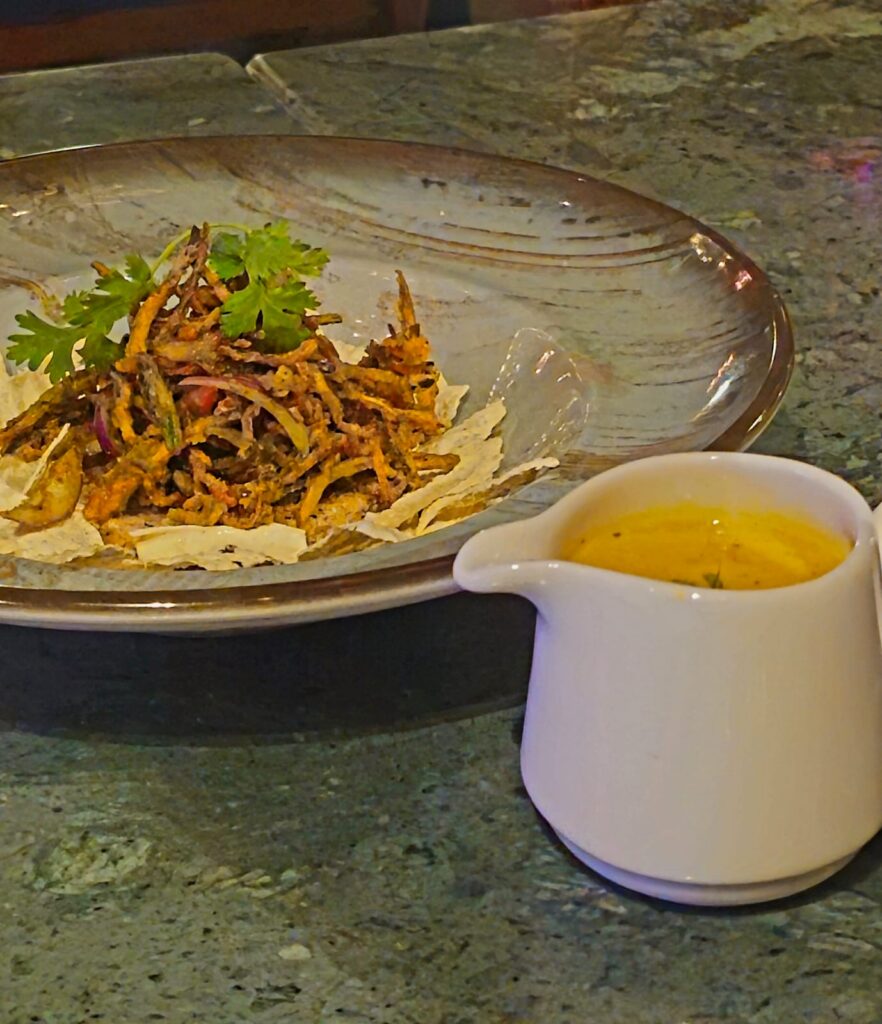
The Jodhpuri Kabuli deserves a special mention too. Layered with vegetables, nuts and grapes, it struck a lovely balance between savoury and sweet. I especially enjoyed the addition of grapes, which added little bursts of sweetness throughout bites. I loved discovering the unexpected use of ingredients at Jodhpur, it lent a surprising but much appreciated addition to the menu.
By the time dessert was served, I was already fairly full, but I’m very glad I didn’t skip it. The Thandai Rasmalai was outstanding. Soft, creamy and delicately flavoured with thandai, it was topped with nuts and gold dust, and easily became one of my favourite dishes of the evening. I might have to go back solely for dessert night to enjoy the rasmalai in all its glory. I would almost recommend ordering dessert first to savour it properly.
I chose the Khamma Ghani mocktail as my drink, which was bright, unbelievably refreshing and balanced its sweet and sour notes beautifully. It complemented the richness of the food without competing with it.
The Verdict
One aspect I did find disappointing had nothing to do with the taste or the setting. The restaurant doesn’t offer takeaway boxes for leftover food, so anything left on the table has to stay behind. Since we intentionally ordered a wide variety of dishes to experience the menu properly, there was simply no way to finish everything. It’s a policy I’d love to see reconsidered because it inevitably leads to perfectly good food going to waste.
That aside, I thoroughly enjoyed my evening at Jodhpur Bar & Kitchen. Between the distinctive regional dishes, elegant interiors and attentive service, it offered something that felt different from the many Indian restaurants I’ve visited across Dubai. If you’re curious about Rajasthani cuisine or simply want to venture beyond the classics most of us already know, it’s well worth making the trip.