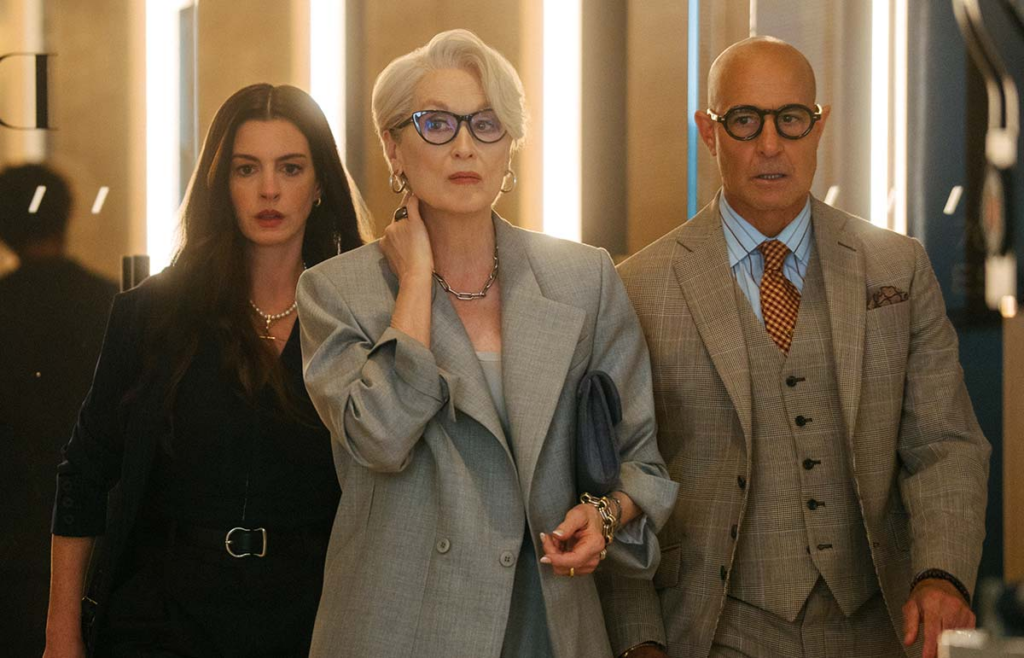

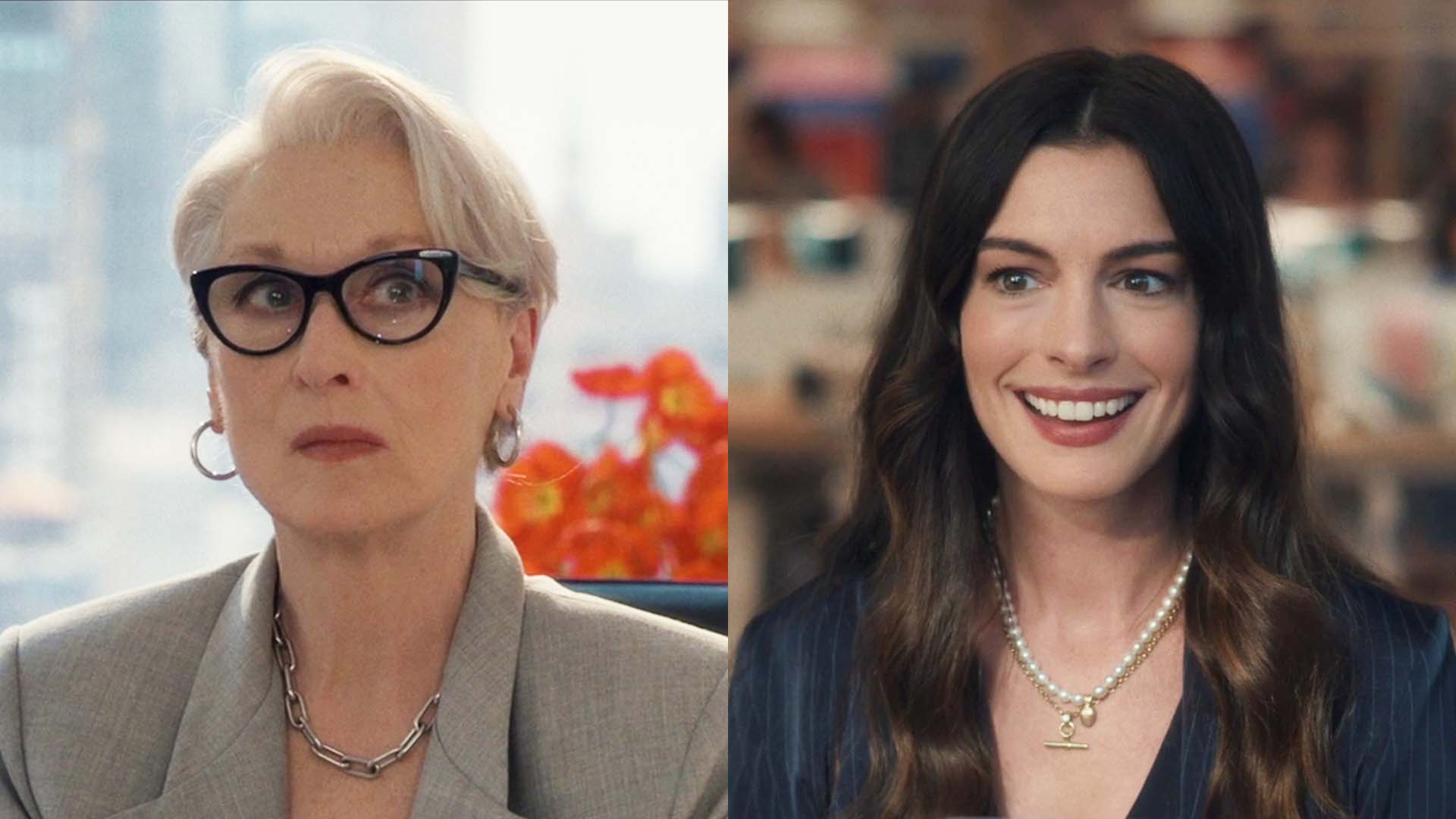

Twenty years on from the original, The Devil Wears Prada 2 arrives in cinemas with the sort of impossible brief that usually buries sequels before the opening credits have rolled. The first film was lightning in a bottle. Sharp, quotable and deceptively melancholy beneath the couture. This follow-up, directed once again by David Frankel, does not quite reach those heights, but it is far cleverer and far sadder than expected.
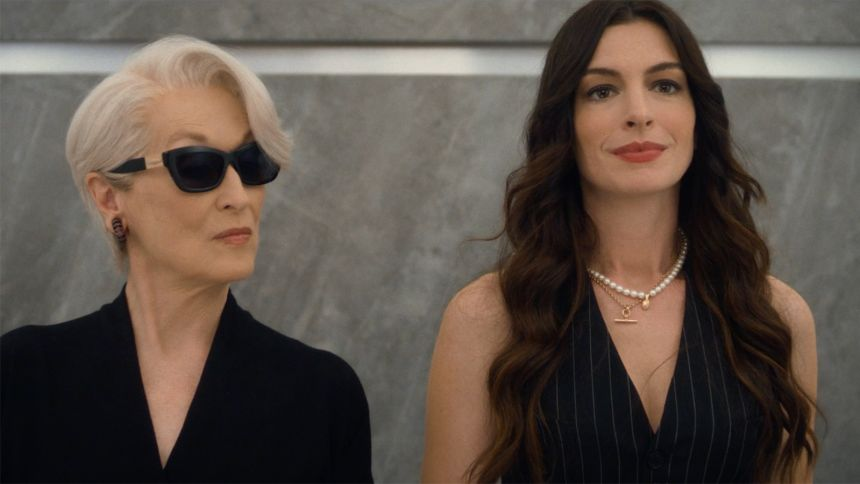
The genius of the original was always that it understood ambition as both seductive and corrosive. Here, the battlefield has changed. Fashion magazines are no longer cultural gods. They are relics gasping for relevance in a world run by algorithms, billionaires and endless content sludge. Miranda Priestly, still played with icy precision by Meryl Streep, suddenly finds herself outdated, and the film wrings genuine pathos from watching a woman who once controlled the room realise the room no longer needs her.
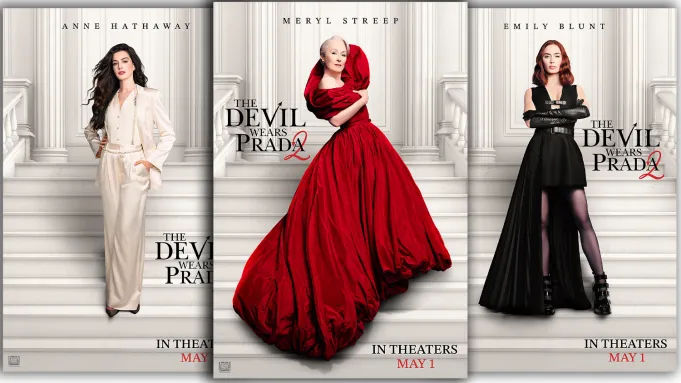
Streep remains magnificent. Every pause feels sharpened with contempt. Every glance lands like a legal threat. Yet the film wisely shifts some of its emotional weight onto Emily Blunt, who steals nearly every scene she enters. Her Emily Charlton, now transformed from overworked assistant into polished executive shark, delivers the film’s funniest lines and its nastiest truths. The performance has real bite.
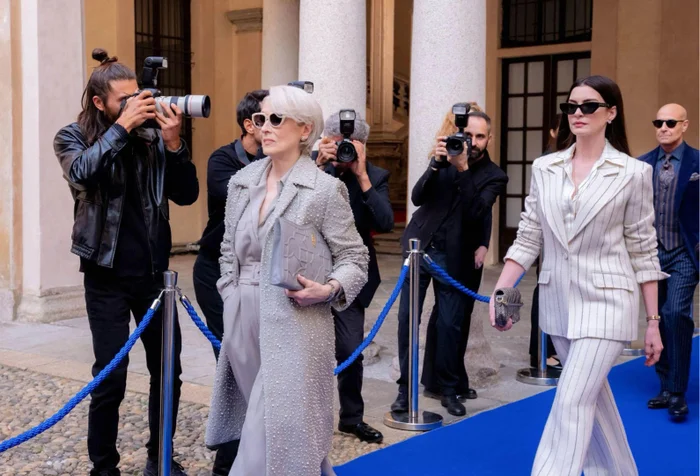
Anne Hathaway has the trickiest role. Andy Sachs returns older, smarter and more cautious, though the script occasionally bends over backwards to force her back into Miranda’s orbit. At times, the reunion feels slightly too eager to recreate old magic instead of trusting new tensions. Several critics and viewers have noted the film softens its characters too much, sanding down the cruelty that made the original sparkle.
Still, the film looks glorious. The wardrobes are absurdly luxurious, Milan has never appeared more expensive, and there is a wicked pleasure in watching rich people destroy each other in immaculate tailoring. The soundtrack, including new music tied to the film from Lady Gaga, leans knowingly into the fantasy.
What ultimately saves the sequel from becoming pure fan service is its surprisingly sharp understanding of modern media decay. Beneath the glamour sits a film about institutions collapsing under corporate greed and technological emptiness. One could argue it wears its themes a touch too obviously, but at least it has themes.
No, it is not as sharp as the original. Few films are. But The Devil Wears Prada was never really about fashion. It was about power. This sequel understands that completely. The stilettos are still fabulous, but now there is exhaustion in the click of them.