


When I first arrived in Doha, I expected modern architecture and glossy displays, and I got them. Yet what truly struck me was the feeling that each museum, gallery, and exhibition space is part of a larger narrative: of Qatar’s past, present, and future.
Over the past 20 years, Qatar Museums (QM) has shaped a cultural ecosystem where heritage, art, architecture, and innovation coexist. This milestone season celebrates that journey with 15 exhibitions spanning local and global art, architecture, fashion, design, and public engagement.
I visited them all, and each offered something unique, a story to feel as well as see:
Lehmesa: Return by Moonlight (National Museum of Qatar)

Why you should go: This exhibition tells the story of Qatar’s hawksbill turtles, blending natural history, cultural heritage, and environmental reflection.
From the moment I entered, the dimmed lighting and soft ambient sounds of the ocean drew me in. The turtles,ancient, delicate, and enduring, were displayed in both physical models and immersive digital projections, slowly moving across the walls. I found myself lingering in the shadowy corners, almost feeling the pulse of the sea. Interactive touchscreens allowed me to track nesting patterns and learn how Qatar’s communities protect these endangered creatures.
Tip: Visit in the late afternoon; the soft natural light in the atrium enhances the reflective mood.
I. M. Pei: Life Is Architecture (ALRIWAQ)

Why you should go: Pei’s work transforms architecture into storytelling, and this retrospective illuminates that process beautifully.
I was captivated by sketches of the Museum of Islamic Art (MIA), showing the evolution from geometric drawings to the final desert-rose-inspired forms. Scale models allowed me to walk around miniature versions of iconic buildings, observing how light, space, and structure interplay. Video interviews with Pei revealed his philosophy: architecture as a dialogue between human needs and the environment.
Tip: Spend time on the mezzanine to appreciate how each model interacts with light and shadow.
>> READ: I.M. Pei: From Stranger to Visionary – My Encounter with Architecture That Speaks <<
Threads of Impact: Fashion Trust Arabia (M7)

Why you should go: Fashion as a form of cultural storytelling, highlighting over 80 designers.
Walking through M7, I felt immersed in a symphony of textures and colours. Each garment was accompanied by the designer’s narrative, often exploring identity, heritage, and sustainability. I was particularly struck by a flowing silk gown inspired by desert landscapes, it felt like wearing a piece of Qatari terrain. Digital screens showed designers at work, connecting studio to runway.
Tip: Explore the adjacent studios to see upcoming talent and prototypes.
>> READ: Inside Threads of Impact <<
A Nation’s Legacy, A People’s Memory: Fifty Years Told (National Museum of Qatar)

Why you should go: Provides context for Qatar’s heritage and museum evolution.
The exhibition blends artefacts, photographs, oral histories, and film. I found myself moving from the early days of Qatar’s pearl-diving communities to contemporary art installations. Highlights included a restored traditional boat, vintage textiles, and an interactive map tracing urban growth. This exhibition made me feel part of Qatar’s story, seeing the threads that connect the past to the present.
Tip: Start your museum journey here for grounding before visiting more experimental shows.
The Rooted Nomad: M F Husain (Gallery Katara)

Why you should go: Immersive exploration of the Indian modernist painter, combining myth, motion, and abstraction.
Husain’s bold, colourful canvases dominated the space, while projections of his earlier sketches and filmic imagery created a sense of movement. I noticed how he combined traditional Indian motifs with modern abstraction, producing a dialogue between heritage and contemporary perspectives. Soundscapes of classical and modern music added rhythm to the viewing experience.
Tip: Spend time in darker projection areas to absorb the layers of sound and motion.
Esports | A Game Changer (3‑2‑1 Qatar Olympic & Sports Museum)

Why you should go: Highlights the rise of competitive gaming as part of global culture.
This exhibition surprised me, instead of static displays, it was full of screens, interactive stations, and live game feeds. I watched players compete in real time, explored the history of esports, and learned about the psychology of gaming communities. The space was playful yet informative, illustrating how digital culture intersects with sport.
Tip: Bring a friend who games, they’ll help you notice nuances and enjoy the energy.
Portals in Flux (Fire Station)

Why you should go: Experimental works from QM’s Artist-in-Residence programme, reflecting the state of flux in contemporary art.
Walking through, I was struck by the intimacy of the gallery. Paintings, mixed-media installations, and digital works were displayed with minimal signage, inviting personal interpretation. One installation used mirrors and light to create an ever-changing perception of space, and I spent ten minutes just observing how visitors interacted with it.
Tip: Engage with the resident artists if present, it adds depth to the experience.
Houbara Haven: A Chaumet Tiara (M7)

Why you should go: Merges luxury jewellery with heritage storytelling.
The tiara sparkled under carefully designed lighting, but it wasn’t just an object of beauty, it told a story of craftsmanship, tradition, and cross-cultural dialogue. Display panels explained how artisans in France collaborated with local Qatari experts, and I found myself drawn to the intricate detailing.
Tip: Focus on reflections and shadows cast by the lighting, they enhance the narrative.
Amazigh Hair Couture (M7)

Why you should go: Explores traditional Amazigh hairstyles as wearable art.
The exhibition combined photography, hair samples, and videos of artisans styling hair. I was fascinated by the symbolism of each braid, colour, and accessory, which represented lineage, social status, and regional identity. The room’s lighting accentuated textures, making each style feel sculptural.
Tip: Listen to the audio guide to understand the cultural significance behind each style.
Countryside: A Place to Live, Not to Leave (National Museum of Qatar & Qatar Preparatory School)

Why you should go: Examines rural life, architecture, and sustainable futures.
This exhibition felt part-research lab, part-gallery. I walked among models of villages, interactive maps, and multimedia installations showing how rural communities evolve. It gave me a perspective on balancing development with heritage preservation, an issue very relevant to Qatar’s rapid urbanisation.
Tip: Arrive early for a quiet, contemplative experience.
We refuse_d (Mathaf: Arab Museum of Modern Art)

Why you should go: A thought-provoking exploration of resistance, resilience, and artistic freedom in contemporary Arab art.
The exhibition featured installations, videos, and sculptures reflecting on societal issues. One room in particular, with black-and-white video projections, had a profound effect, I watched visitors respond emotionally as they confronted themes of displacement, endurance, and voice. The show felt urgent, intimate, and challenging in equal measure, reminding me that art can both comfort and provoke.
Tip: Take time in the quieter corners to absorb the emotional impact.
I. M. Pei and the Making of the Museum of Islamic Art (Museum of Islamic Art)

Why you should go: A behind-the-scenes look at the conception and construction of an architectural icon.
This meta-exhibition showed how MIA came to life, from Pei’s initial sketches to construction photographs and scale models. I loved seeing his meticulous approach, from geometric planning to material selection. It made me appreciate MIA not just as a museum, but as an artwork in itself. Observing visitors move around the models, I noticed how Pei’s design continues to inspire awe decades later.
Tip: Combine your visit with a walk along the bay for perspective on the building’s surroundings.
Sneakers Unboxed: Studio to Street (3‑2‑1 Qatar Olympic & Sports Museum)

Why you should go: The surprising cultural history of athletic footwear.
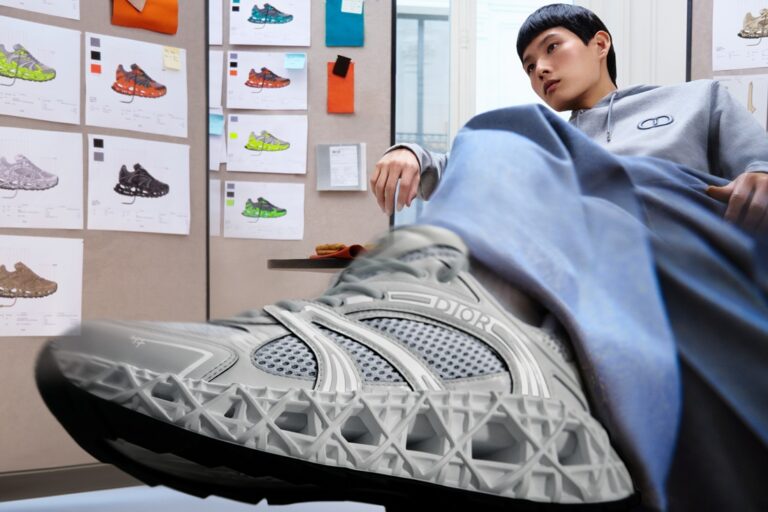
I found myself drawn to vintage sneakers displayed alongside design sketches and film footage of iconic athletes. The interactive zones allowed visitors to examine materials, try virtual design tools, and explore sneaker culture globally. It was playful but deeply insightful, showing how everyday objects carry cultural meaning.
Tip: Take your time at interactive stations, there’s more to see than just footwear aesthetics.
Rock on Top of Another Rock (Public Art across Qatar)

Why you should go: Peter Fischli & David Weiss’ public sculpture invites discovery in the cityscape.
We encountered these sculptures in unexpected urban spaces, a park here, a roundabout there. They encouraged me to walk slowly, notice surroundings, and see the city as a canvas. Their simplicity belied conceptual depth, prompting reflection on balance, form, and human interaction with space.
Tip: Use a map or museum app to plan a walking route across Doha.
Untitled 2025 (no bread no ashes) (MIA Park)

Why you should go: A participatory installation by Rirkrit Tiravanija that blends art with daily life.
I joined visitors in communal bread-making, feeling a direct connection to the exhibition. The aroma of baking bread, combined with sunset views over the bay, made the experience sensory and meditative. It reminded me that art doesn’t always reside in galleries, sometimes it’s shared, lived, and tasted.
Tip: Arrive in the late afternoon to catch the golden hour and enjoy the park’s atmosphere.