
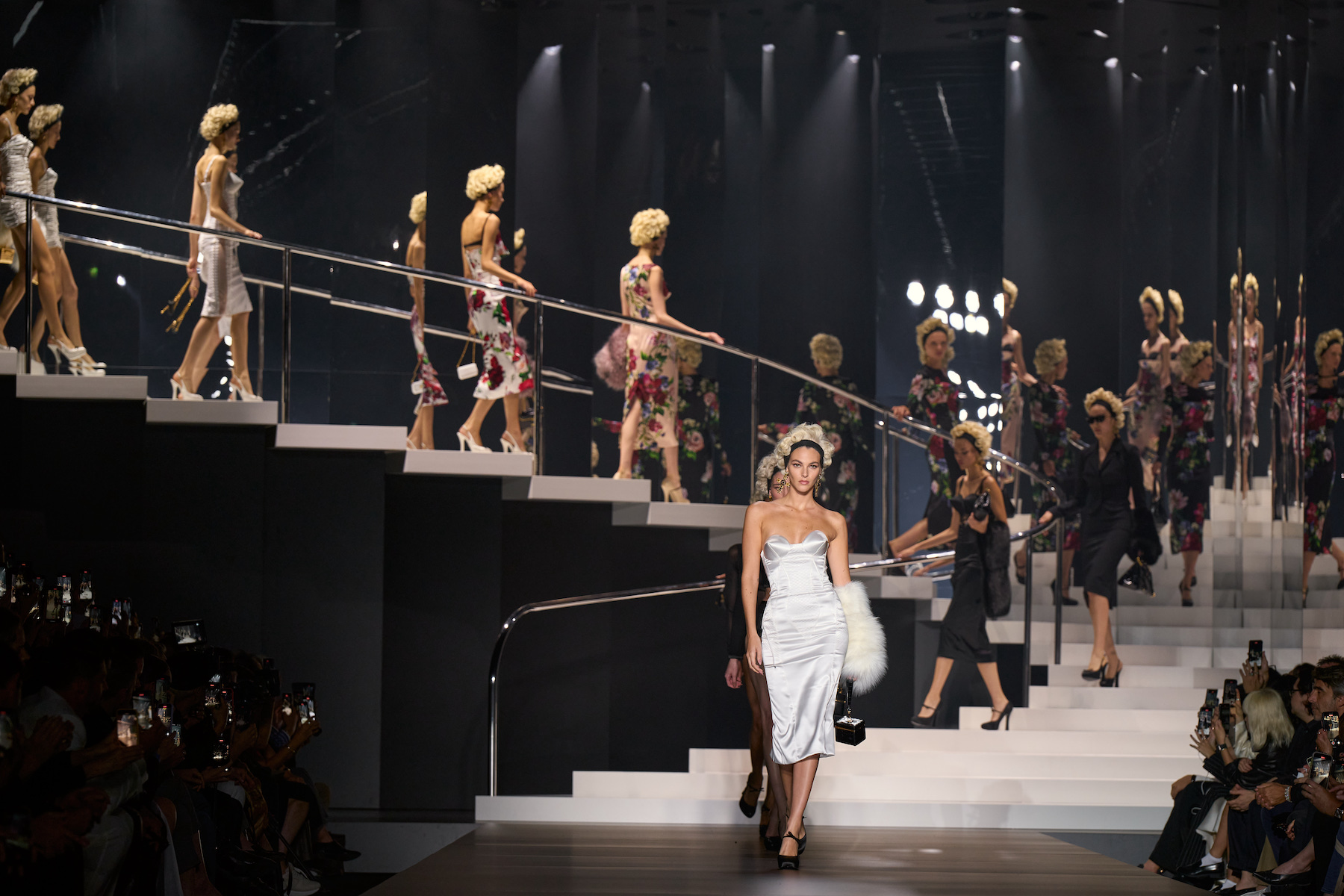

Milan has always understood the power of clothes that feel considered. Where other fashion capitals often embrace disruption, Milan tends to refine, edit and elevate. This season, however, there is a noticeable appetite for something less restrained.
The Spring/Summer 2027 collections arrive at a particularly significant moment for Italian fashion, with several of the city’s major houses moving through creative transitions. Maria Grazia Chiuri is presenting her second ready-to-wear collection for Fendi, Meryll Rogge is continuing her work at Marni, Demna is entering his second Gucci collection, while Louise Trotter develops her vision for Bottega Veneta. Moschino is also beginning a new chapter under Loris Messina and Simone Rizzo.
The result is a Milan season defined not by one overriding aesthetic, but by a collection of ideas that point towards where fashion is heading next.
A Return to Personality
One of the clearest shifts across the wider Spring/Summer 2027 season is a move away from overly polished minimalism towards clothes with more personality.
The era of the perfectly coordinated wardrobe is beginning to feel less dominant. Instead, designers are exploring colour, contrast, unexpected combinations and styling that feels individual rather than algorithmically perfect. Vogue has identified this broader movement as a rejection of the “clean girl” aesthetic, with clashing colours, prints and more spontaneous styling emerging as part of the new mood.
For Milan, this creates an interesting opportunity. Italian fashion has never been afraid of glamour, but the new season suggests glamour can be expressive rather than immaculate.
Tailoring, But Less Predictable
Tailoring remains central to the Milanese vocabulary, although the traditional suit is being reconsidered.
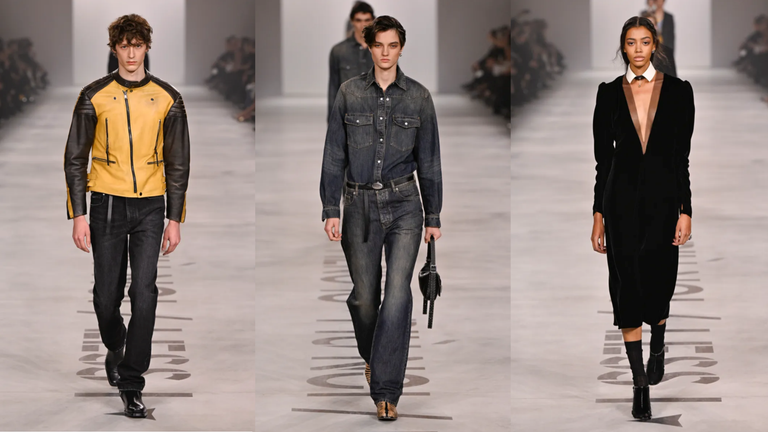
Expect sharper shoulders, elongated proportions, fluid trousers and jackets that move between masculine and feminine codes. Rather than treating tailoring as corporate uniform, the emerging direction is towards pieces that can be styled with almost anything, from bare skin and delicate separates to casual footwear and statement accessories.
This reflects a broader desire for clothes that have structure without feeling restrictive. The suit remains important, but its purpose is changing.
The New Femininity
Milan is also continuing the conversation around femininity, although not necessarily through traditional notions of romance.
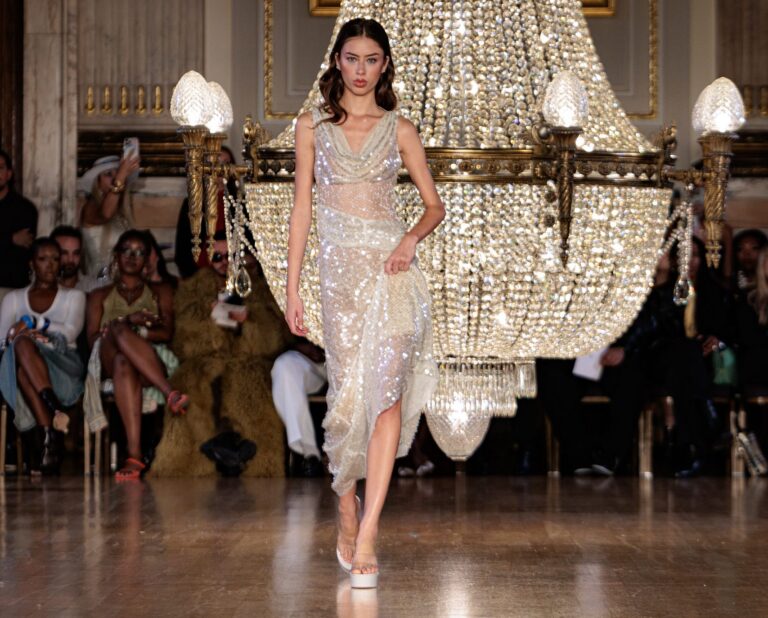
There is room for sensuality, transparency, sculptural silhouettes and skin, but the mood is more confident than overtly decorative. Dresses are being treated as statements in themselves, while lingerie-inspired details and fluid fabrics bring an element of intimacy to otherwise sophisticated wardrobes.
At houses such as Fendi and Marni, the question of femininity is particularly significant as new creative visions continue to develop. Maria Grazia Chiuri’s arrival at Fendi and Meryll Rogge’s work at Marni represent different interpretations of the modern woman, making both houses important reference points for the season.
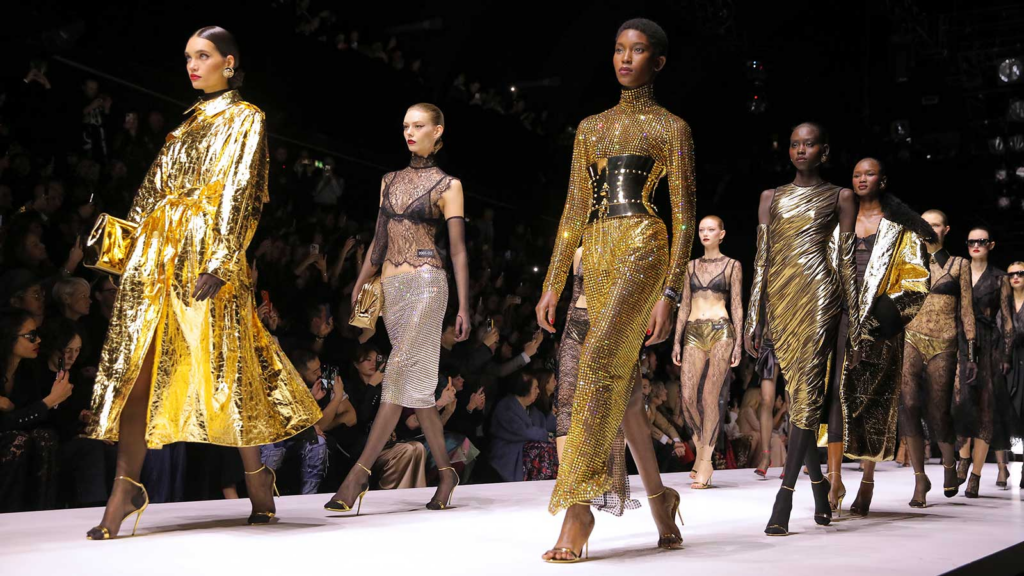
Colour With Confidence
Spring/Summer 2027 is not shaping up to be a season of beige alone.
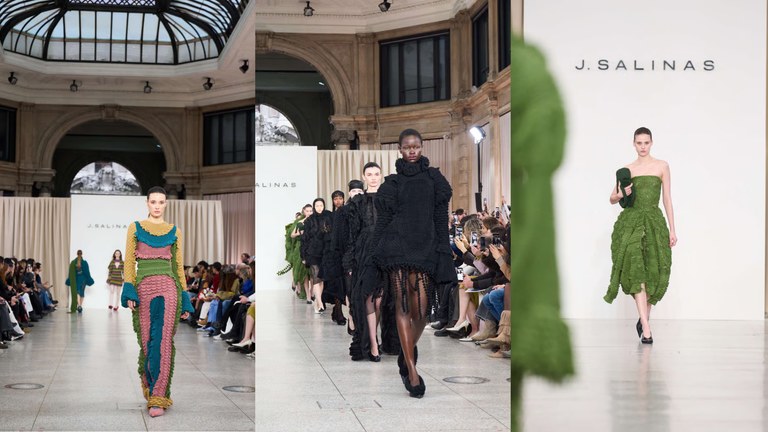
Colour is becoming more expressive, with saturated shades, unexpected combinations and stronger contrasts offering an antidote to the quiet luxury uniform that has dominated recent seasons. This does not necessarily mean abandoning neutrals. Instead, Milan’s approach appears to be about using colour strategically, allowing a vivid piece, print or accessory to become the centre of an otherwise controlled look.
The result feels more grown-up than maximalism for maximalism’s sake. It is colour with intention.
Texture Becomes the Statement
Another important direction is the increasing importance of texture.
Knitwear, sheer fabrics, tactile surfaces, embellishment and unexpected fabric combinations give clothing a sense of physicality. In an increasingly digital fashion landscape, this emphasis on things that can be seen, touched and made by hand feels particularly relevant.
That idea is also reflected in the wider cultural programme surrounding Milan Fashion Week. Vogue World Milano, taking place on the opening day, is centred around “The Human Touch in the Age of Technology”, placing craftsmanship and human creativity directly into the conversation around the future of fashion.
Accessories Become Characters
The handbag is no longer simply a finishing touch.
For Spring/Summer 2027, accessories are increasingly being treated as characters within the overall look. Sculptural bags, unusual proportions, statement jewellery and expressive footwear can transform an otherwise simple outfit.
This feels particularly appropriate for Milan, where accessories remain one of the strongest commercial and cultural pillars of the Italian fashion industry. The direction is less about collecting obvious status symbols and more about finding pieces with enough personality to define an entire look.
Heritage, Rewritten
Perhaps the most important theme of Milan Fashion Week 2026 is heritage.
Italian fashion houses have decades, sometimes centuries, of visual language behind them. The challenge for today’s designers is how to respect that history without becoming trapped by it.
That question is playing out across the Milan calendar. Gucci continues its evolution under Demna, Fendi develops Maria Grazia Chiuri’s vision, Bottega Veneta moves further into Louise Trotter’s era and Marni continues its transition under Meryll Rogge. Meanwhile, Moschino enters a completely new creative chapter with Messina and Rizzo.
The most interesting collections will therefore not simply reference the past. They will decide what is worth taking forward.
The Milan Mood
Ultimately, Spring/Summer 2027 feels like a season about fashion becoming human again.
There is still precision. There is still luxury. There is still the immaculate tailoring and craftsmanship that Milan does better than almost anywhere else. But there is also more emotion, individuality and imperfection entering the conversation.
After several seasons dominated by quiet luxury, minimalism and carefully controlled aesthetics, Milan appears ready to loosen the rules.
And perhaps that is the most compelling trend of all: fashion that looks like it belongs to a person, rather than an algorithm.
milan fashion weekmilan fashion week milan fashion week milan fashion week milan fashion week milan fashion week