
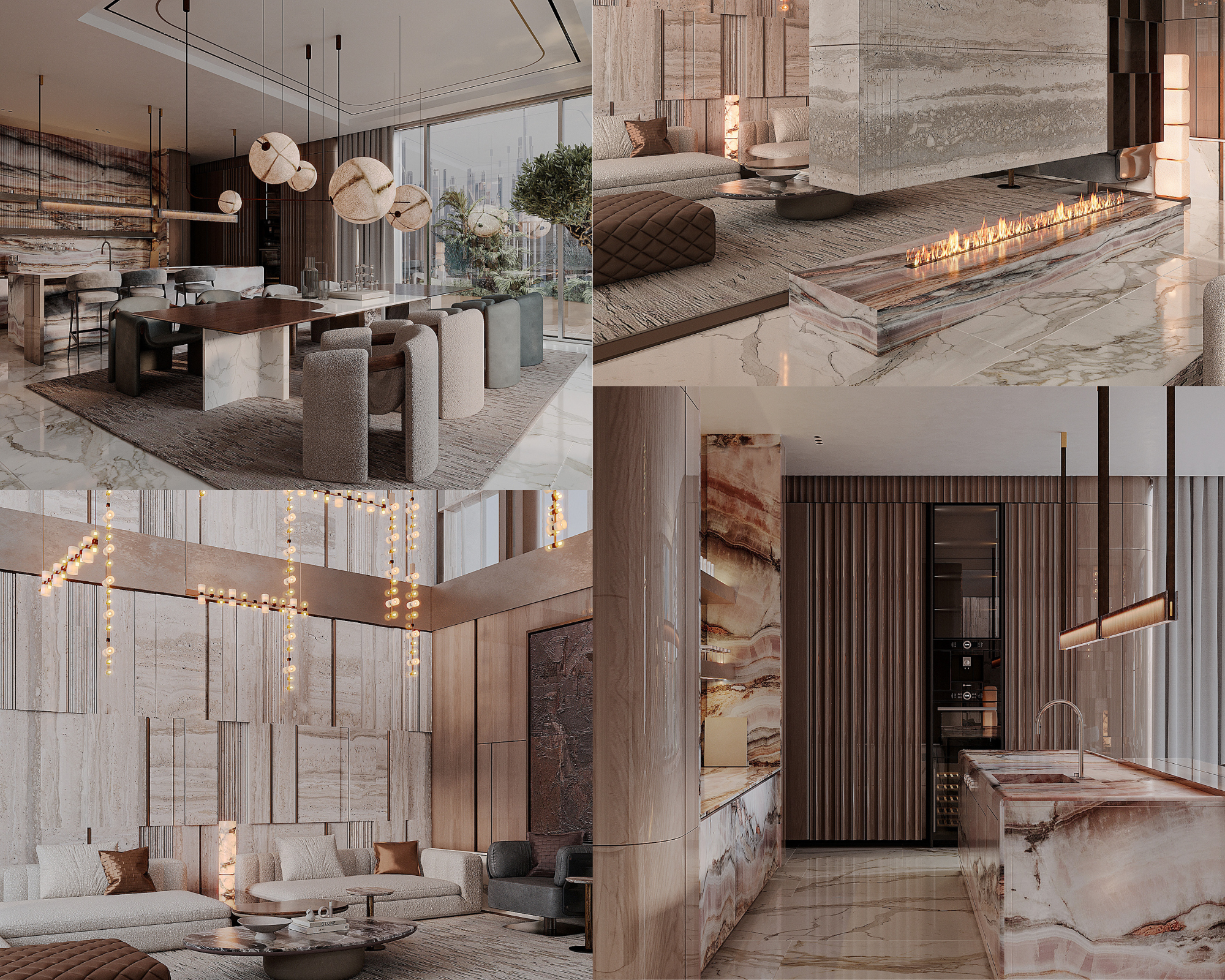

There was a time, not all that long ago, when almost every aspirational home followed the same design playbook. Curved bouclé chairs, pale oak furniture, limewashed walls, abstract line drawings and shelves styled with the same carefully chosen objects appeared everywhere, from Pinterest boards to property listings. The look was elegant, timeless and undeniably photogenic but it also became surprisingly homogeneous.
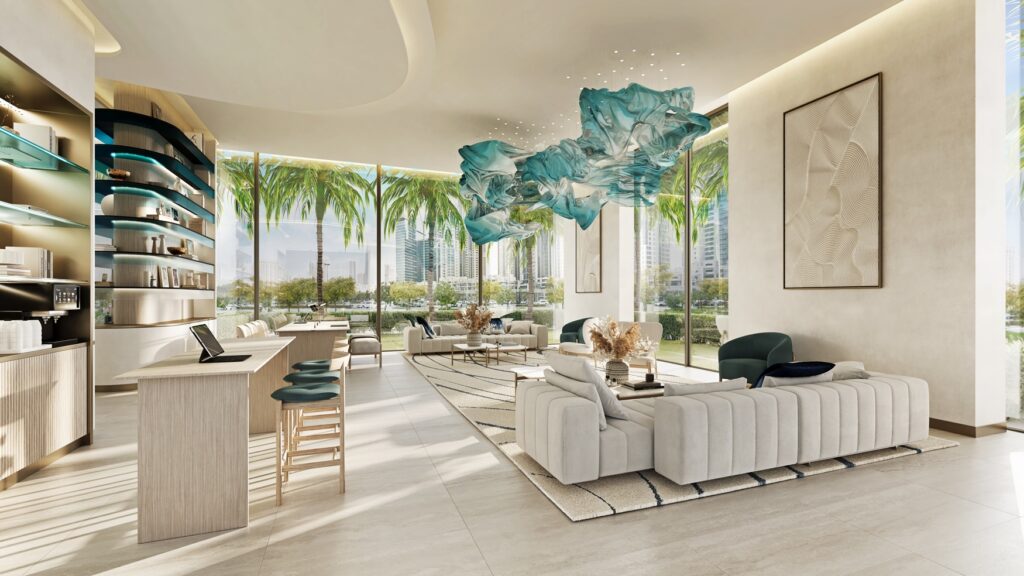
Today, interiors are beginning to tell a different story. Brightly painted cabinets sit beside antique furniture. Patterned wallpapers are making a comeback. Shelves are filling with books that have actually been read, eccentric tchotchkes and artwork that would never have made it into the carefully curated homes of just a few years ago.
Dopamine Décor
This growing movement has been dubbed dopamine décor, a term inspired by dopamine, the neurotransmitter associated with pleasure and reward. The name inevitably led many people to surmise that simply filling a room with bright colours is enough to create a happier home. Vibrant palettes, maximalism and playful patterns have become the visual shorthand for the trend across social media and much of the imagery surrounding dopamine décor reinforces that idea.
In reality, the concept is much broader than its social media interpretation. While colourful sofas and playful accessories have become synonymous with the trend online, colour is only one part of the picture. Equally important are the objects that carry memories, tell stories or make someone smile every time they walk past them. These emotional connections are what distinguish dopamine décor from simply decorating with bold colours.
Rather than prescribing a particular style or limiting it to the use of colour, dopamine décor encourages people to create spaces that genuinely make them more jubilant and more connected to the spaces they occupy.
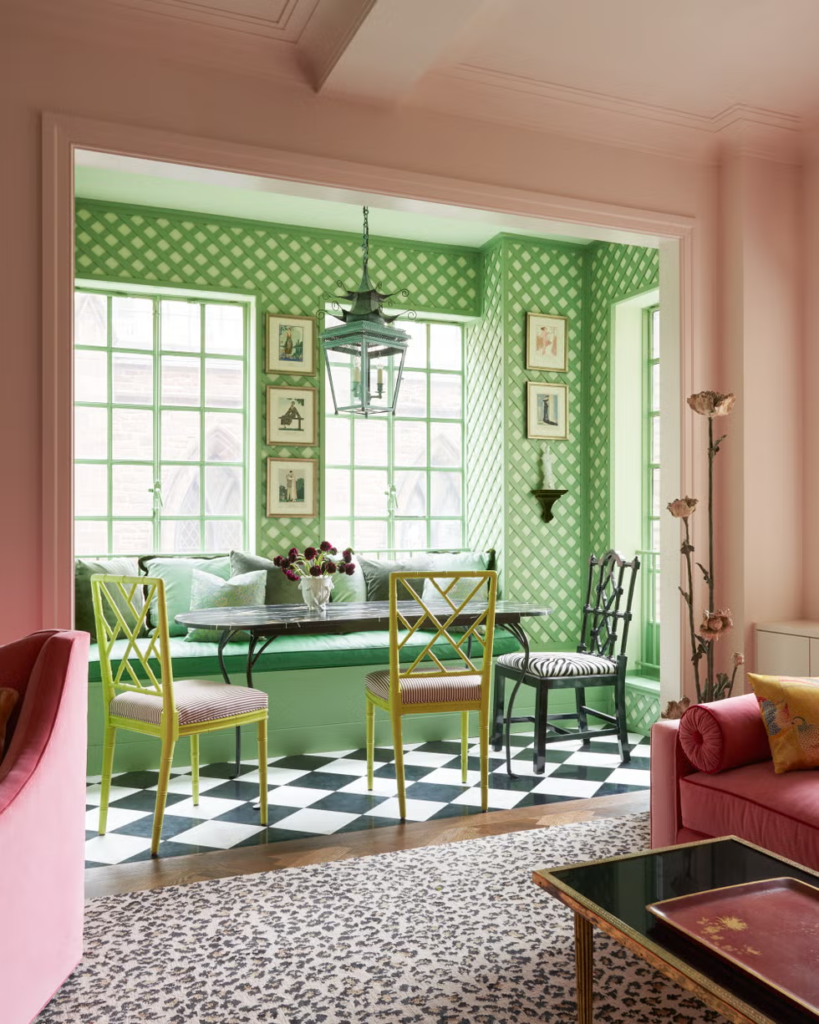
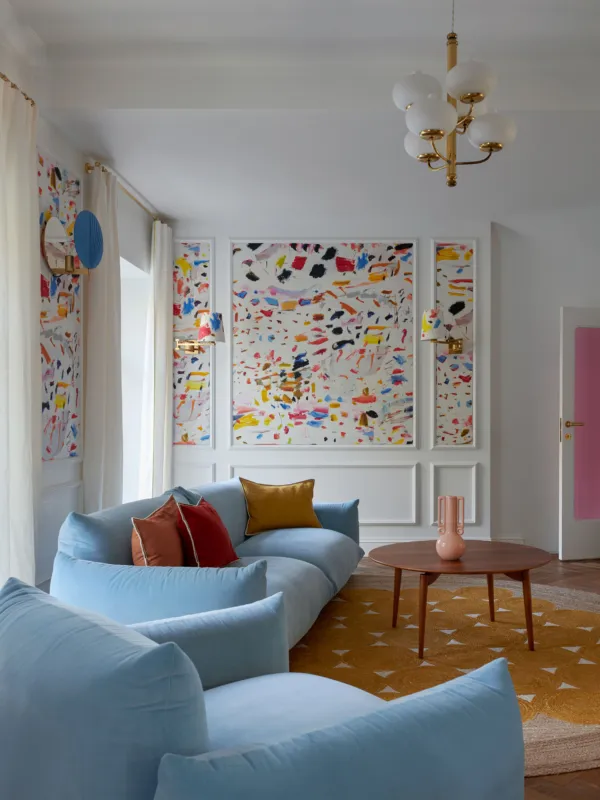
For one person, that might be a sitting room filled with colour and pattern. For someone else, it could be displaying family photographs on the walls, collecting vintage pieces or painting a room in a colour they have always loved but never quite dared to use.
Why Now?
The popularity of the concept reflects something much bigger than changing design preferences. It signals a broader shift in the way people think about their homes. Rather than focusing on aesthetics first, many are starting with a far more personal question, how do I want this room to make me feel?
Over the past few years, our relationship with our homes has changed dramatically. They have become offices, creative studios, places to entertain friends and, increasingly, somewhere to decompress from lives that are busier and more digitally connected than ever before. As their role expanded, so too did our expectations of them. Spending so much time within the same four walls inevitably changed the way many people thought about them. Instead of simply looking good, people want their homes to evoke a sense of comfort, joy and belonging.
“The era of expression arrived when Covid hit us all,” says Lalit Tilani of Design Dome Dubai. “Each of us started to express hidden talents, whether as creators, artists or dreamers. People now want spaces that have history, story and emotion.”
The Psychology of Home
That growing emphasis on emotion is one of the reasons psychologists believe our surroundings matter more than we realise.
“People may not always consciously understand why a space feels good, but psychologically, the body always responds to its environment,” says Nataliia Melnyk, Co-founder and Creative Director at NKEY Architects. “Colour influences emotional response, lighting shapes energy and mood, while textures and materials affect our sense of comfort and connection.”
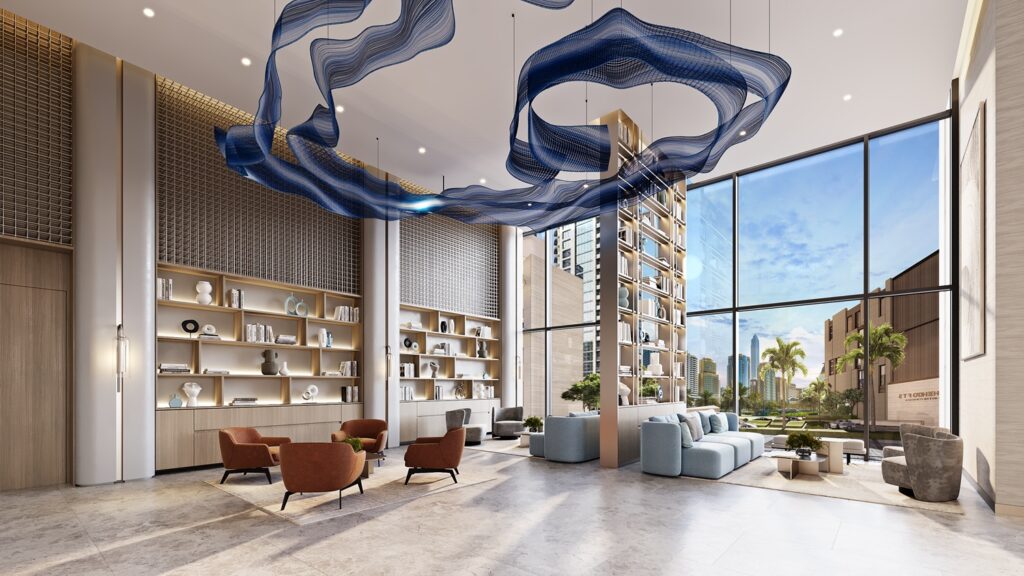
Shrav Shankar, licensed psychologist at Peninsula Psychology, agrees that the spaces we inhabit influence us psychologically. Whether someone prefers bold colours or softer palettes, creating an environment that reflects their identity is empowering, affirming and grounding. Personal objects, meaningful artwork, cultural references and even favourite scents can all contribute to making a space seem an extension of the person living there.
More Than Colour
That connection isn’t created through colour alone. Lighting, texture, scent, meaningful objects and personal memories all contribute to the way a home is experienced.
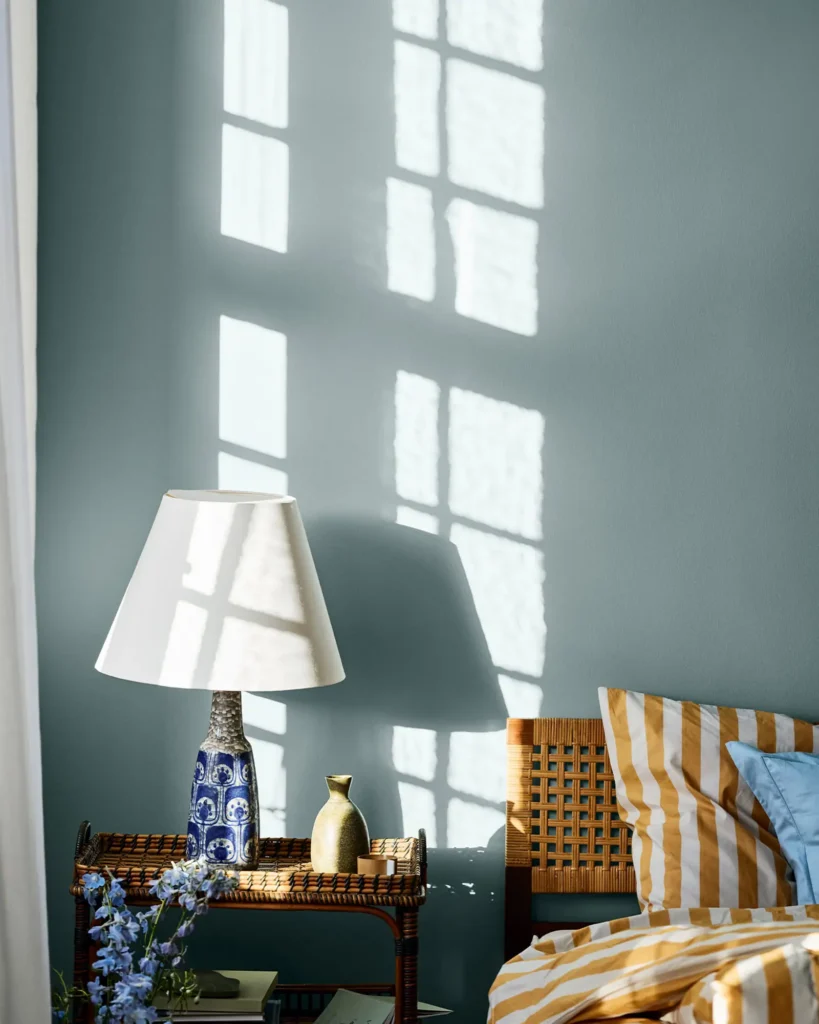
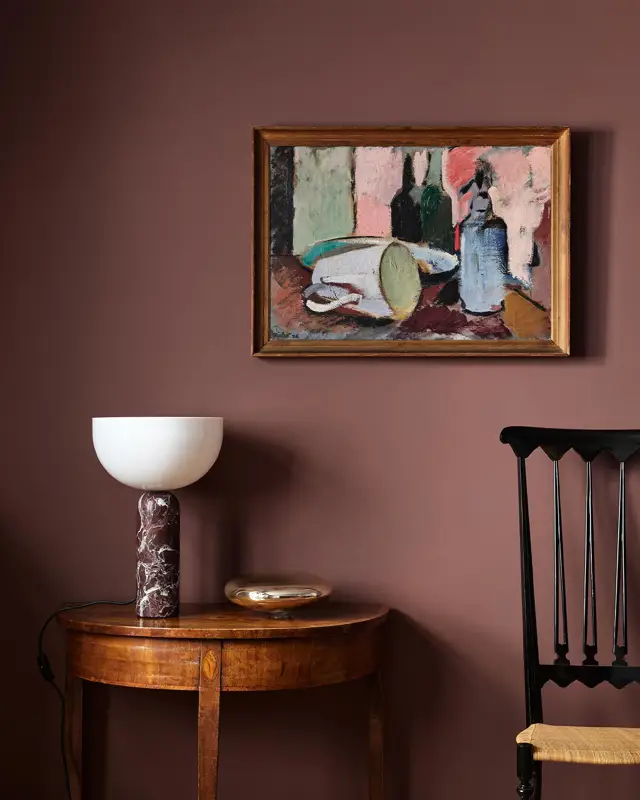
As Anusya Das, NCS Colour Trainer at Jotun, explains, people increasingly want homes that “are reflective of who they are, not just a space with walls”, with richer tones and layered colour combinations gradually replacing the once ubiquitous whites and greys. Colour has naturally become part of that conversation, not because dopamine décor is defined by bold palettes, but because it is one of the most prominent and immediate ways of shaping the atmosphere of a space.
What ultimately separates dopamine décor from a passing design trend is that it values emotional connection just as much as visual appeal. An inherited chest of drawers, a stack of well-thumbed novels, handmade pottery or a framed menu from a memorable holiday can all have as much impact as a brightly painted wall because they create associations that cannot be bought off a showroom floor or a furniture catalogue.
That may also explain why craftsmanship, ornament and decorative detail are finding renewed appreciation after years of restrained interiors. Floral wallpapers, patterned upholstery, gallery walls, vintage lighting and handmade ceramics are finding a place in contemporary homes.
According to Noor Al Muhaideb, Founding Partner of Opaal Interiors, these details become “emotional anchors” that define a home’s character and identity rather than simply decorating it. At Opaal, every project begins by understanding how a client wants to live and the story they want their home to tell before considering colours, furniture or finishes.
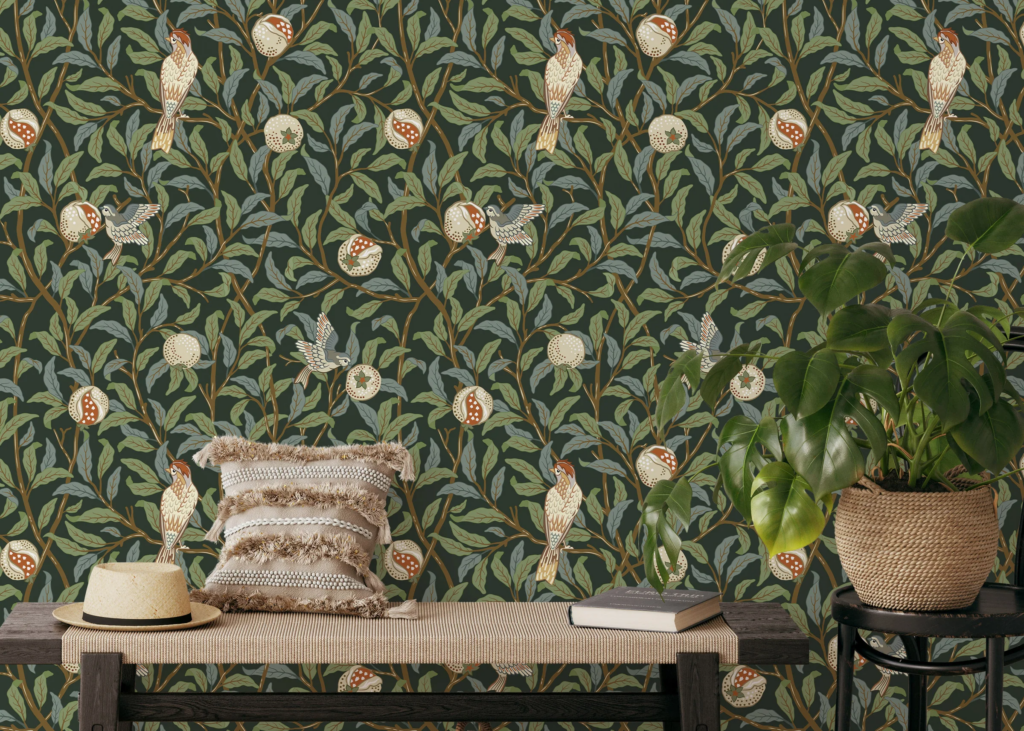
The revival of William Morris interiors is a particularly interesting example. The 19th-century British designer became known for his richly patterned wallpapers and textiles filled with intricate botanical motifs inspired by nature, reflecting his belief that beauty should be woven into everyday life rather than reserved for grand occasions.
Once seen as old-fashioned, his designs are attracting a new audience who value the stories they tell and the sense of character they bring to a room.
Beyond the Trend
As Shrav Shankar points out, highly controlled spaces can sometimes become emotionally distant when signs of everyday life are removed in pursuit of perfection. Homes that celebrate personal collections, give family heirlooms pride of place and even allow for small imperfections are naturally warmer precisely because they reflect real lives rather than idealised ones.
Whether dopamine décor remains a buzzword or disappears in a few years’ time, the ideas behind it are unlikely to fade. As Noor Al Muhaideb explains, good design has never been about following trends but about understanding how people want to live and the story they want their home to tell. In that sense, dopamine décor may simply have given a name to something designers have understood all along, the best interiors aren’t the ones that look like everyone else’s.
Perhaps that is the real reason dopamine décor has resonated so widely. Beyond the bright colours and social media hashtags, it reflects a growing desire for homes that support the people living in them rather than simply impressing the people visiting them. As Laura Simonis, psychologist at German Neuroscience Center, explains, personalising our surroundings reinforces identity, familiarity and a sense of psychological safety. “people form emotional attachments to spaces that reflect their memories, values, relationships, and sense of self, allowing a house to psychologically transform into a home”
At a time when so much of daily life is standardised, from algorithms recommending the same products to homes inspired by the same online images, people are rediscovering the value of spaces that couldn’t belong to anyone else.
Expert Insights By:
Lalit Tilani of Design Dome Dubai
Nataliia Melnyk, Co-founder and Creative Director at NKEY Architects
Shrav Shankar, licensed psychologist at Peninsula Psychology
Anusya Das, NCS Colour Trainer at Jotun
Noor Al Muhaideb, Founding Partner of Opaal Interiors
Laura Simonis, psychologist at German Neuroscience Center