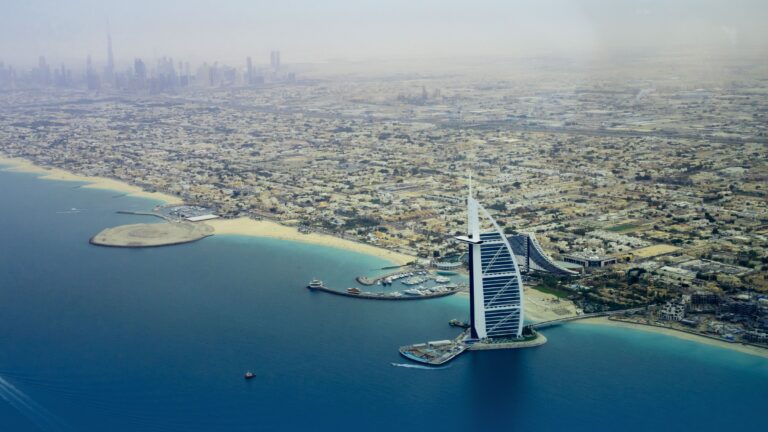

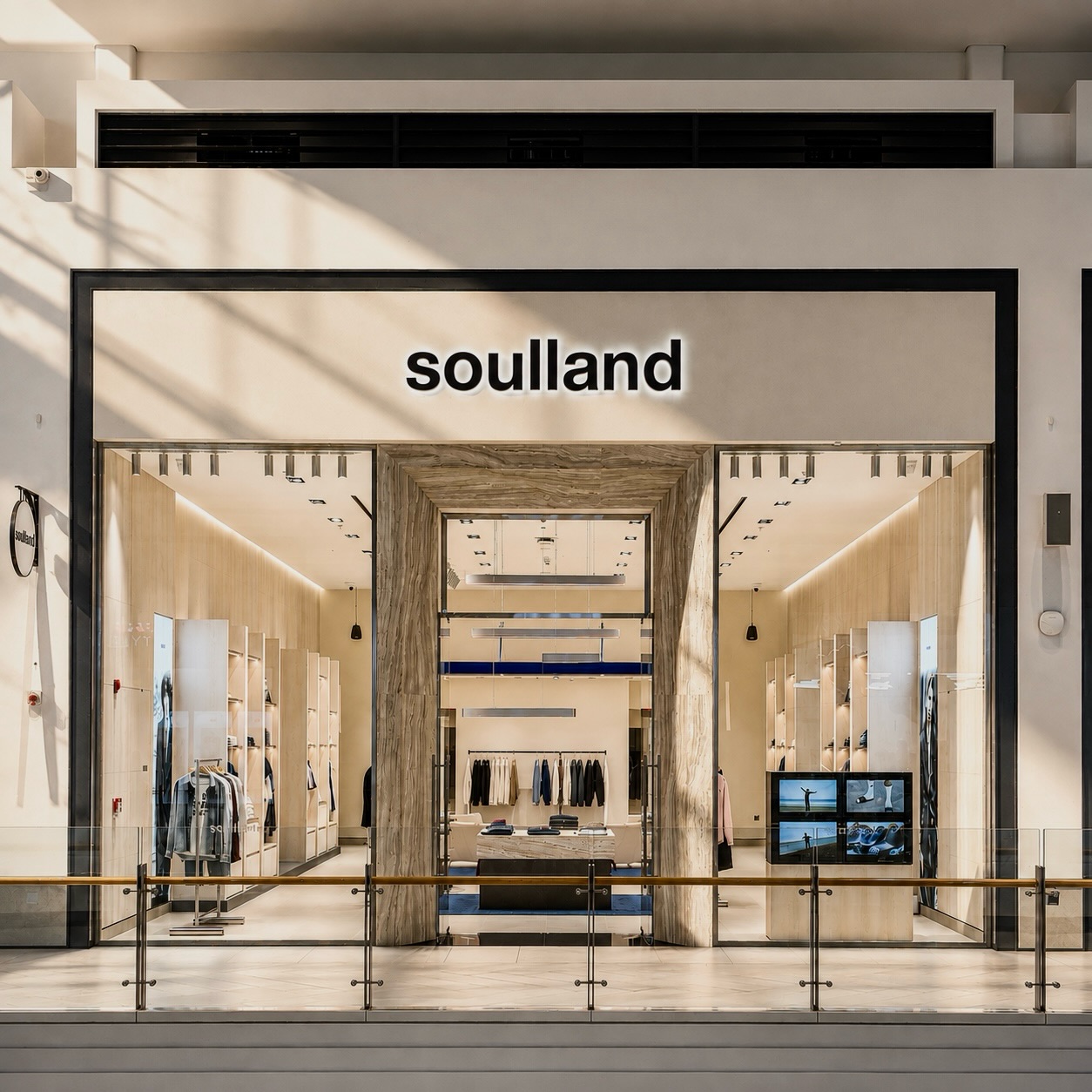

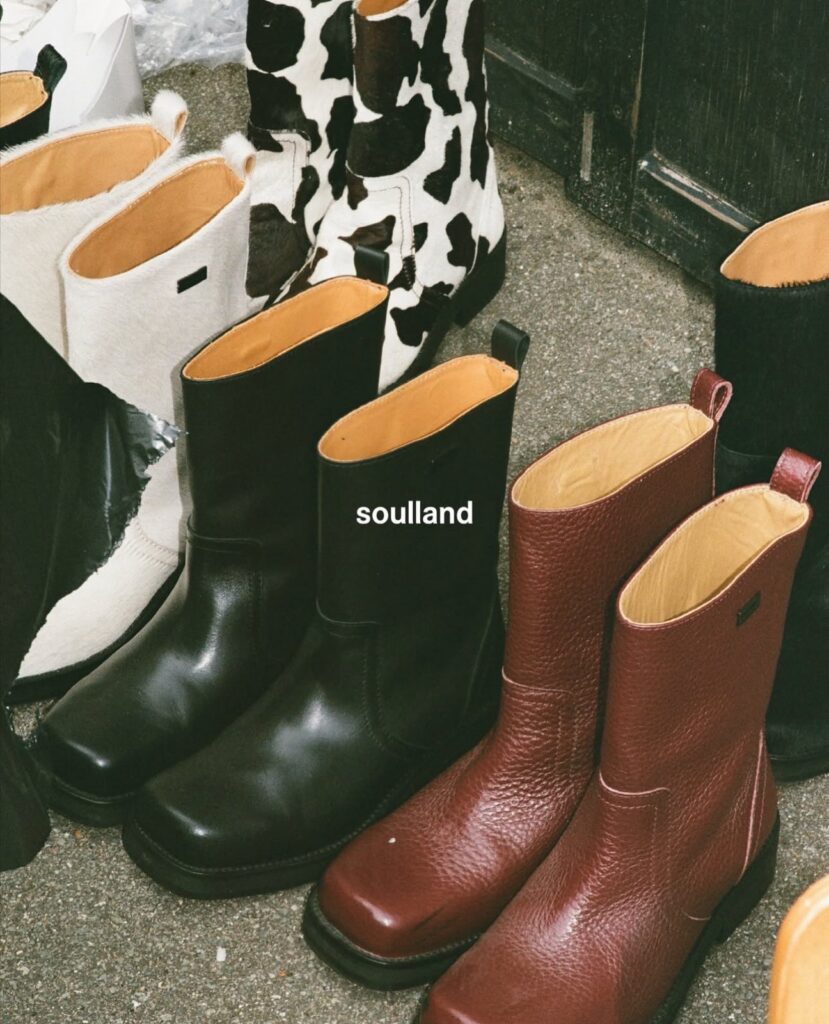
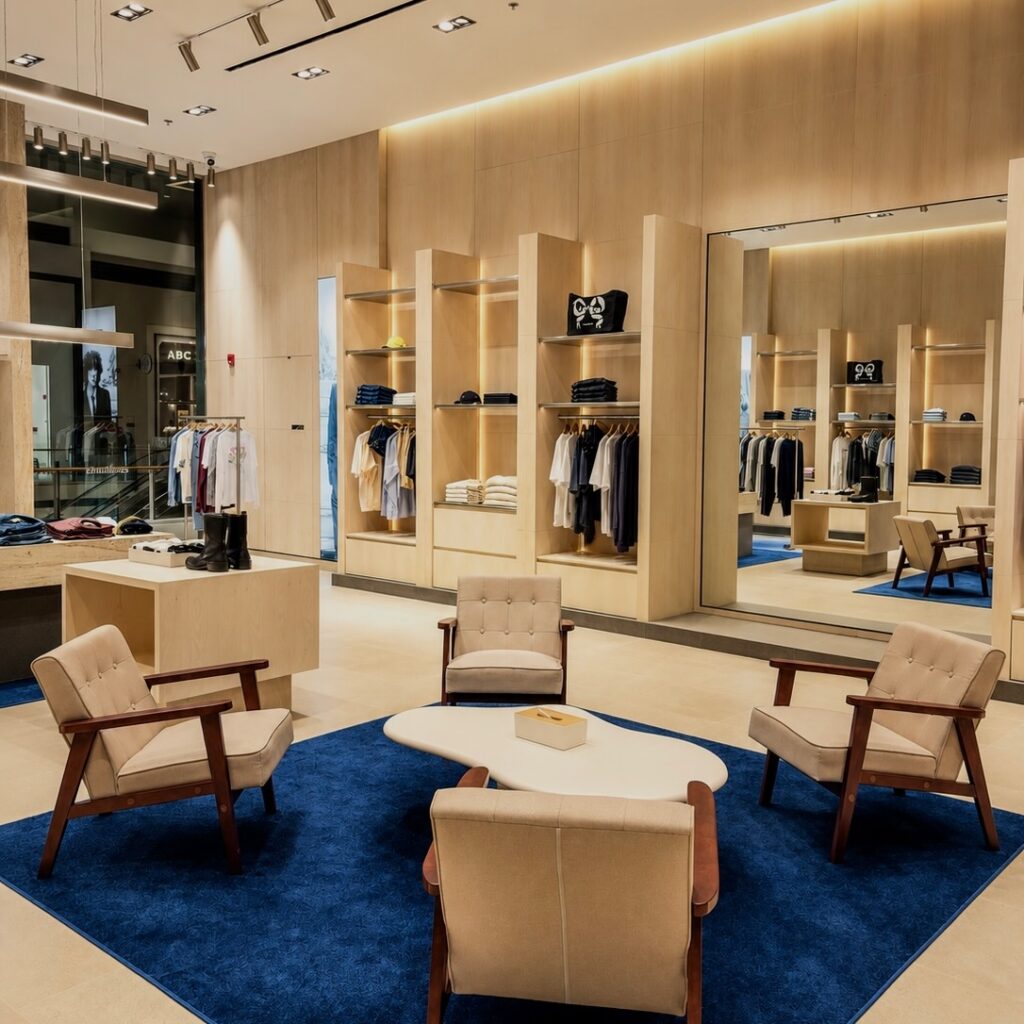
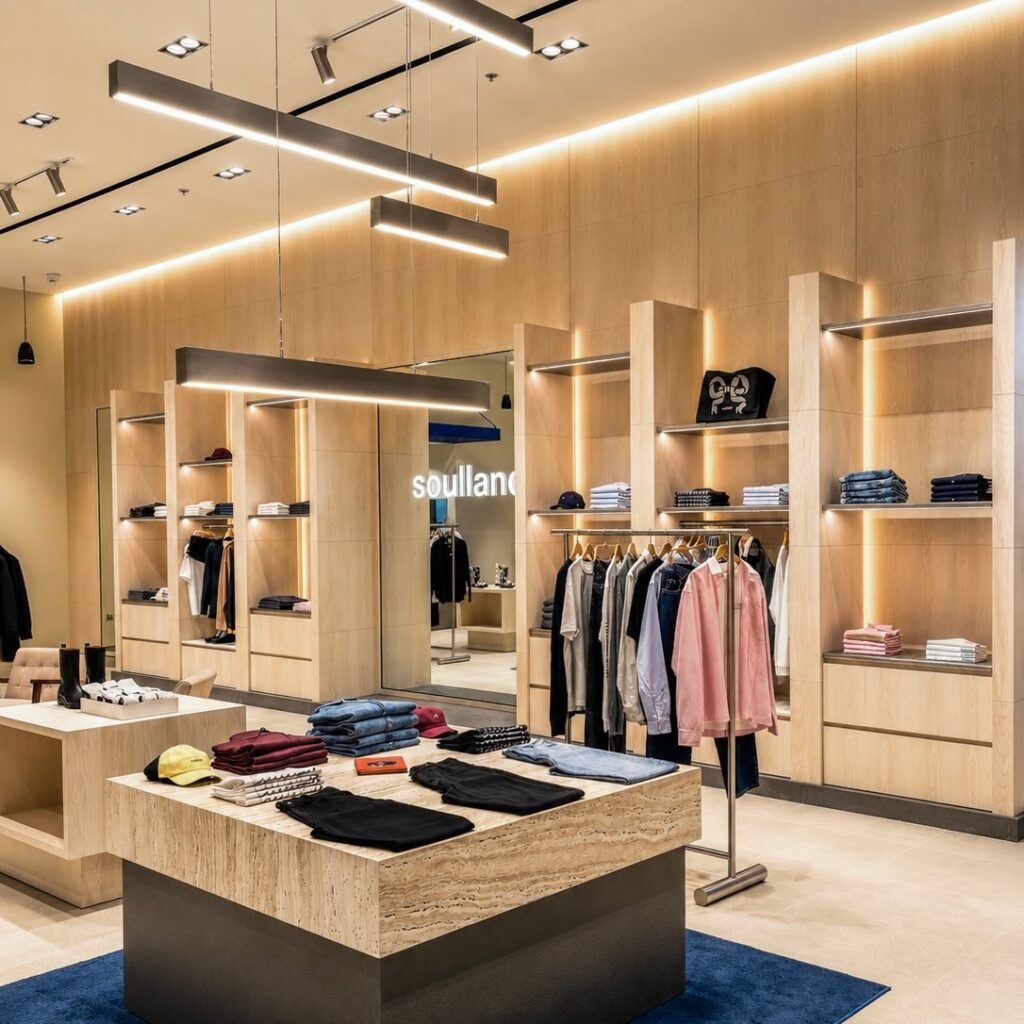
Soulland started in Copenhagen in 2002, shaped by the unlikely interplay of graffiti, skate culture and Scandinavian tailoring. Over two decades later, the label has appeared on runways in Copenhagen and London, presented at Pitti Uomo and developed a gender-free design language that allows craftsmanship and construction to lead. Its latest chapter brings that perspective to Dubai with Soulland’s first Middle East store at Dubai Hills Mall.
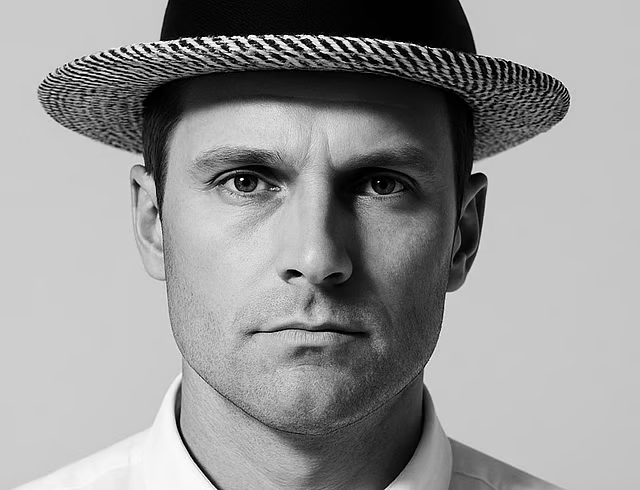
Zenith spoke to founder and CEO, Jacob Kampp Berliner about the evolution of the brand, why he sees Dubai becoming a fashion capital and what it means to enter a city while its creative identity is still being written.
What makes you say that Dubai reminds you of Copenhagen before it became a fashion capital?
There’s an energy that reminds me of Copenhagen 20 years ago. Things are happening, but the rules haven’t completely been written yet. That creates space for people to experiment and build their own scene. Copenhagen became interesting because people stopped looking outside for permission. I feel some of that same confidence starting to happen in Dubai.
Why Dubai, and why now?
We’ve had customers in the Middle East for many years, but never really engaged properly with the region. Then we met the right partner and it became less about a market strategy and more about an opportunity to build something together. I’m much more interested in entering a place through people and culture than through a spreadsheet.
What surprised you about Dubai’s fashion scene once you started spending time here?
How diverse it is. From Europe, our understanding of Dubai and the Middle East can be incredibly narrow. Once you spend time here, you realise how many different cultures, references and ways of dressing exist side by side. I love that mixture. It makes a city much more interesting than when everyone shares the same references.
Soulland started with graffiti and skate culture and ended up on fashion-week schedules. At what point did you realise it could become something much bigger?
I’m not sure I ever did. Even today I don’t really think of Soulland as something that needs to become”big”. For me, the ambition has always been to make it better and keep it interesting. Fashion weeks, stores and international recognition came along the way, but they were never the reason for doing it.

What’s the quickest way for a fashion brand to become boring?
Trying too hard to understand what the customer wants. The moment you only look at data, trends and what sold last season, you start repeating answers instead of asking new questions.
Has fashion become too obsessed with trends?
I think the more interesting question is: how can we take some of the speed out of fashion? Of course, newness needs to be there, that’s part of what makes fashion exciting. But I love when a classic silhouette can suddenly feel relevant again. Not everything needs to be reinvented to feel new.
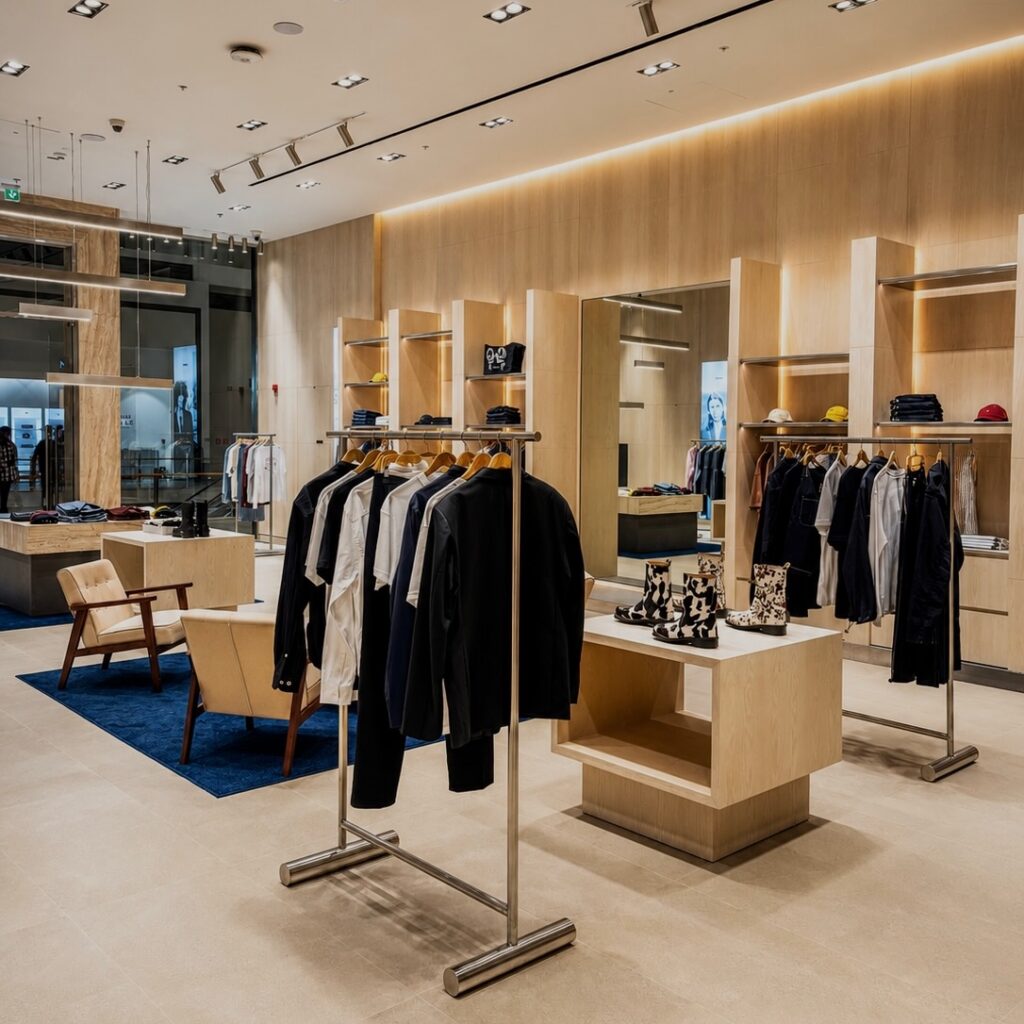
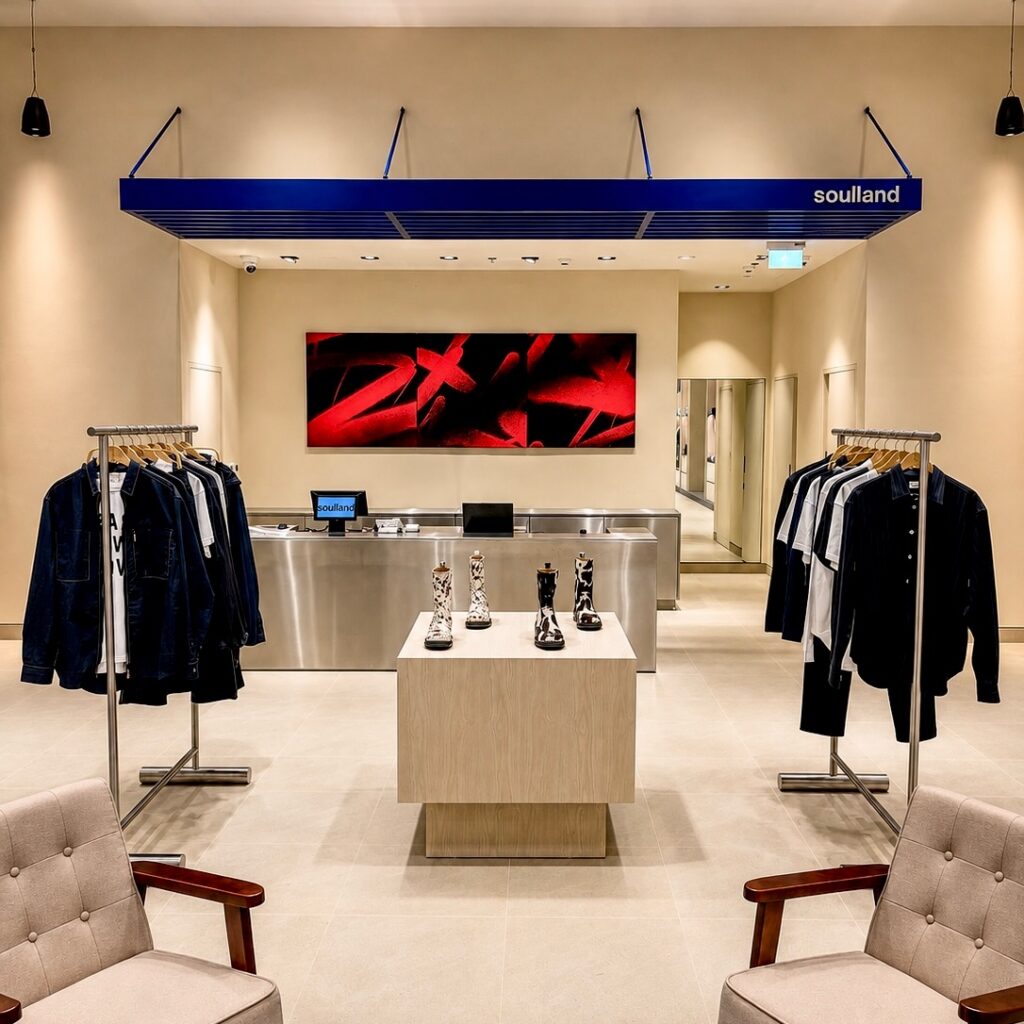

Do people still have personal style, or are algorithms starting to dress us?
Algorithms are definitely making us look at the same references, products and people constantly. But that actually makes personal style even more interesting. When someone genuinely dresses for themselves today, you notice it immediately.
What makes you look at someone and think, they really know how to dress?
When you can see they own it, feel comfortable, and dress the way they do because it’s an extension of who they are. It’s not really about the clothes themselves, it’s about how naturally they wear them.