


Waitlist Wants to Take the Drama Out of Dinner Reservations

Securing a restaurant table in Lebanon can involve unanswered calls, several messages and, inevitably, a friend who claims to know someone. Waitlist has turned that entire exchange into an app.
Founded by five Lebanese entrepreneurs, the digital concierge platform allows users to discover and reserve restaurants, bars and hospitality experiences across the country. Its collection currently includes 59 venues, with Albe, Liza, Starfish, Pacifico and Beihouse among the names available to book.
Waitlist also uses its content to introduce the chefs, bartenders, restaurateurs and other figures behind Lebanon’s hospitality industry. The founders plan to expand the platform with at-home concierge services, AI-powered assistance, loyalty rewards and premium memberships, creating a broader service around the practical business of going out.
For now, its appeal is wonderfully simple: fewer phone calls, less negotiation and a confirmed table before everyone loses interest in leaving the house.
Albé Brings a Piece of Barcelona Home to Beirut
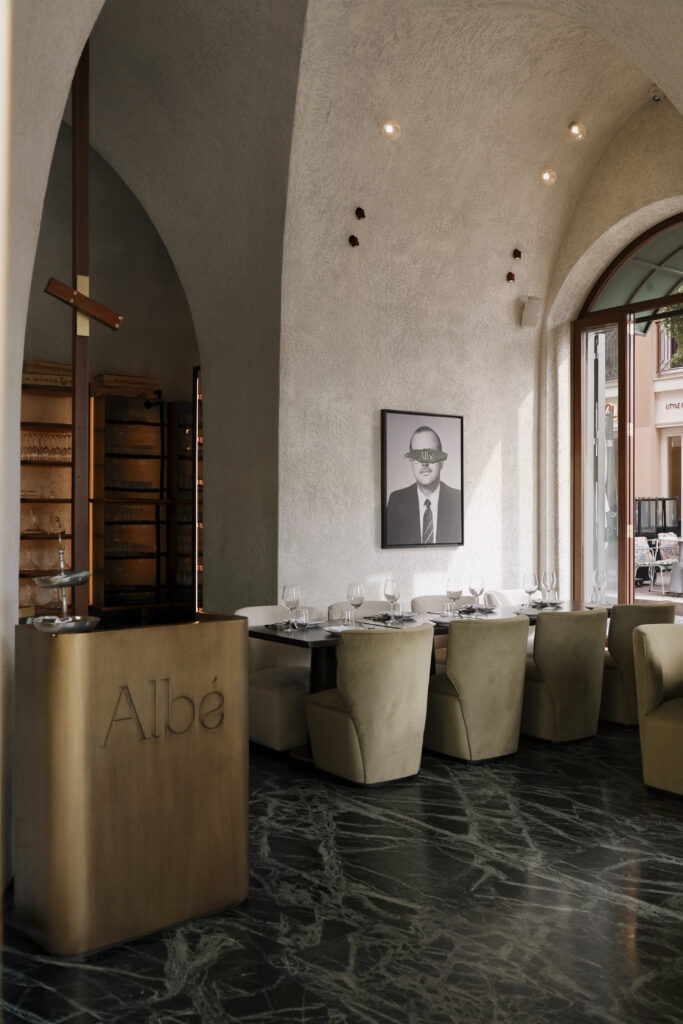
After building a following in Barcelona, Lebanese entrepreneur Joey Attieh has brought Albé home. The Mediterranean gastrobar has opened in Beirut’s Saifi Village, connecting the culinary character of its original city with produce and influences drawn from Lebanon.
Its name comes from the Arabic expression for “my heart,” an apt choice for a restaurant shaped by Attieh’s relationship with both places. The menu brings Spanish influence to seasonal ingredients sourced from Lebanese farmers, with dishes designed to be shared across the table.
Albé began in Barcelona as an expression of Lebanese hospitality viewed through a wider Mediterranean lens. Its Beirut opening completes the exchange. The restaurant now occupies the space between the two cities, allowing Spanish techniques and Lebanese ingredients to meet without flattening either culinary identity.
The move also arrives at a meaningful moment for Beirut’s dining culture. Restaurants continue to provide places where people meet, celebrate and conduct much of the city’s social life. Albé enters that landscape with an international history, but its new chapter belongs firmly to Lebanon.
KAĪYA Explores Homeland Through Cloth
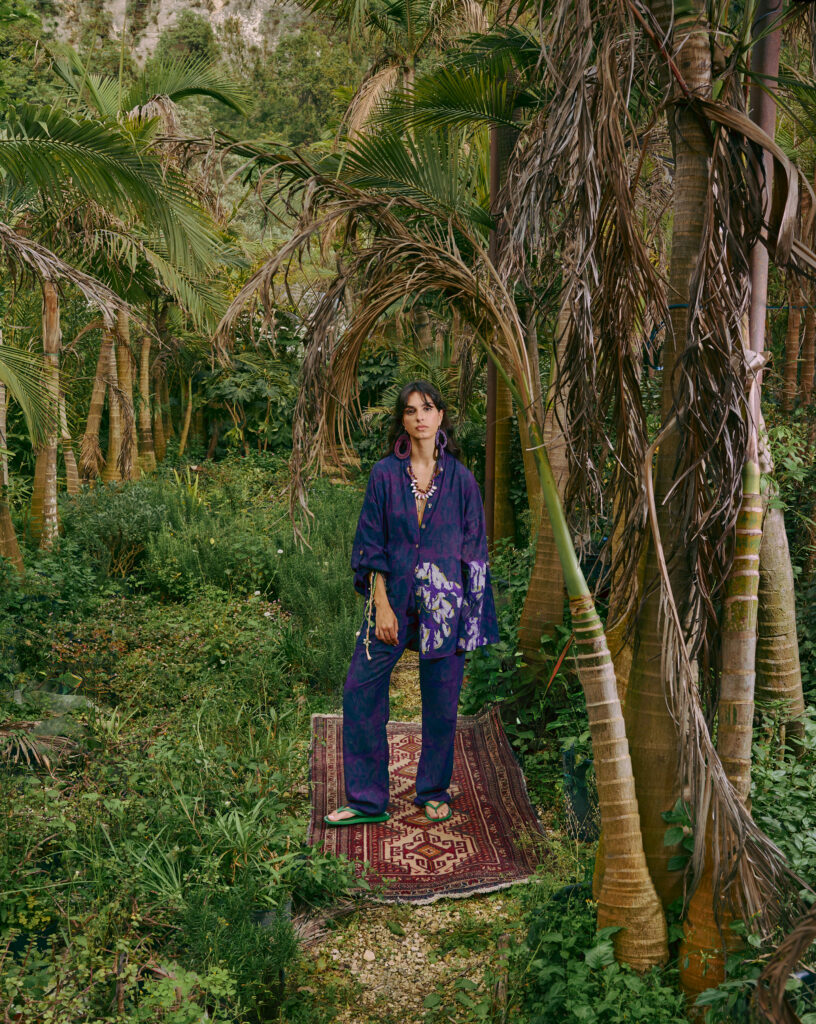
Beirut-based fashion and lifestyle label KAĪYA has introduced ILÉ, a Spring/Summer 2026 collection named after the Yoruba word for homeland. Founder Lana El Khalil developed the collection while reflecting on war, displacement and the relationship between land, ancestry and personal identity.
ILÉ moves across West Africa, the Middle East and South Asia through its materials and methods. Leheriya, Suzani embroidery, block printing, tie-dye, Adire, batik and handwoven fabrics appear throughout the collection, with textiles sourced from artisans and markets in Nigeria, India and elsewhere. Some pieces also incorporate deadstock fabric that may otherwise have gone to waste.
KAĪYA produces the garments in limited quantities in Beirut and works with organisations and ateliers that employ refugees and people living below the poverty line. This approach supports economic opportunity while preserving techniques passed between generations.
El Khalil describes clothing as something capable of carrying memory. In ILÉ, the fabric retains evidence of its origins, the knowledge involved in making it and the hands through which it has passed. The collection makes those histories part of the garment rather than reducing traditional craft to surface decoration.
Good Again Makes the Case for a Shorter Skincare Routine
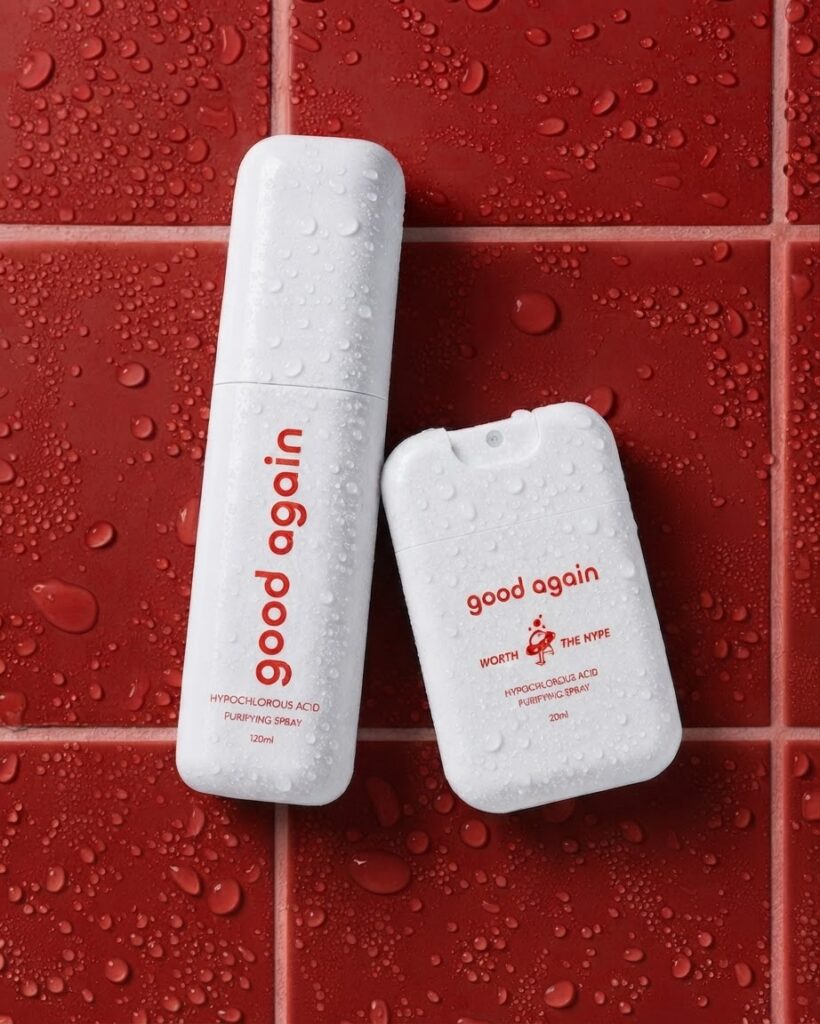
Pia Haddad’s relationship with skincare had become exhausting. Aggressive exfoliation, scented formulas and an expanding succession of serums, oils and toners aggravated her acne rather than improving it. Her frustration eventually led to Good Again, a Lebanese-founded skincare brand built around simpler formulas and fewer steps.
The debut range contains three products. Worth the Hype is an antimicrobial facial mist formulated with hypochlorous acid, or HOCl, an ingredient naturally produced by the body’s white blood cells. Designed for acne-prone and sensitive skin, it can be applied after exercise, during travel or over make-up to reduce acne-causing bacteria and calm visible irritation.
Take the Plunge combines ceramides and hyaluronic acid in a lightweight moisturiser intended for sensitised or sun-exposed skin. Tone It Down uses micro-dosed polyhydroxy acids to clarify and smooth the complexion while limiting the irritation associated with stronger exfoliants.
Developed in Lebanon, Good Again draws on the country’s established medical and aesthetics industry while challenging the excessive consumption encouraged by modern beauty marketing. Its proposition meets a growing appetite for barrier-conscious skincare: use what the skin needs, remove what it does not and stop treating a longer routine as an inherently better one.