
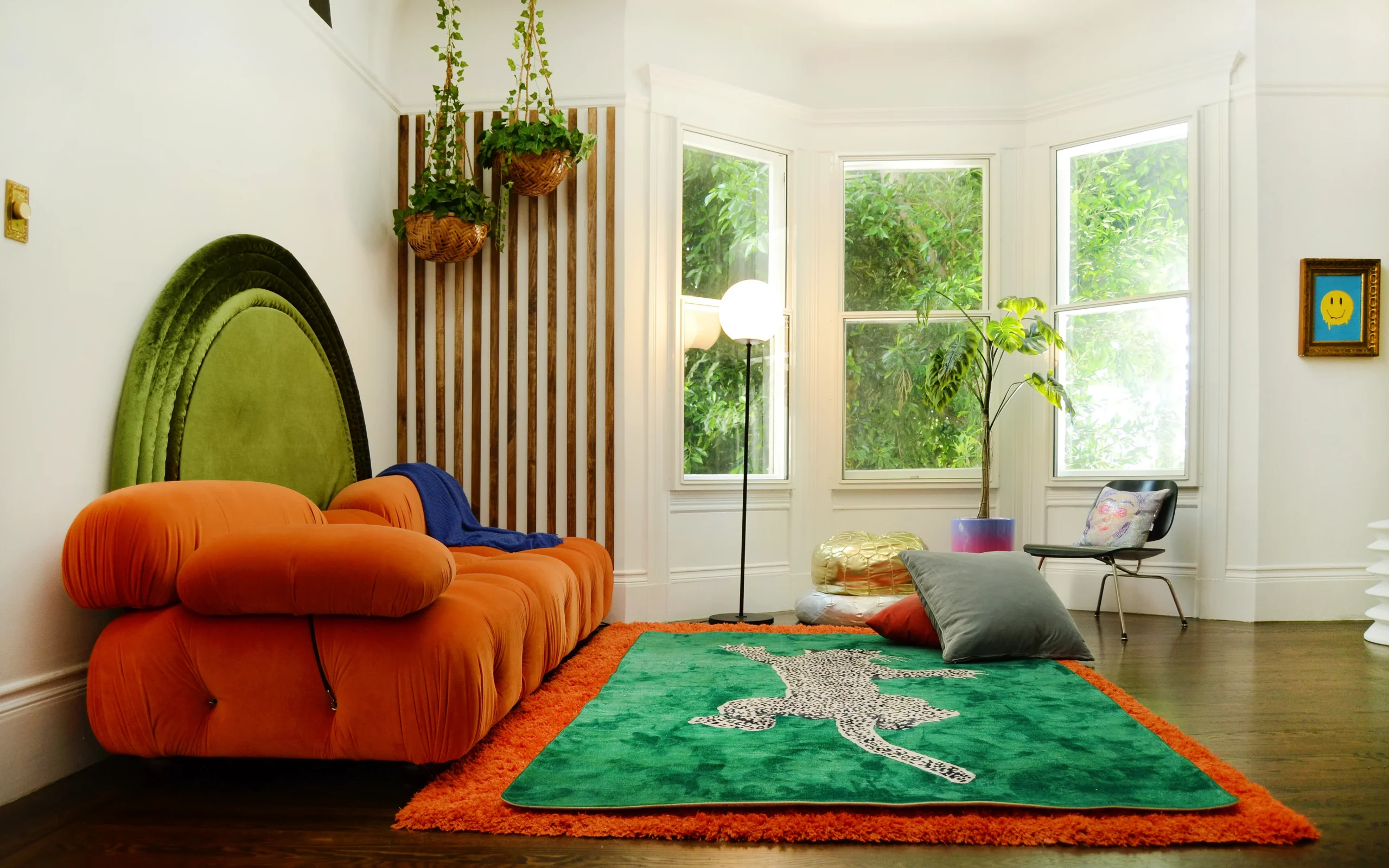

A well-designed home should do more than look beautiful – it should make you feel something. As more homeowners embrace interiors that reflect their personality, playful design is emerging as a powerful way to enhance mood, inspire creativity and create a stronger sense of wellbeing. From bold colours and sculptural furniture to layered textures and unexpected details, these expressive elements can transform a house into a home that feels uplifting and deeply personal.
We spoke with Noor Al Muhaideb, Founding Partner of Opaal Interiors, about the rise of playful interiors, the growing appeal of dopamine décor, and how thoughtful design can positively influence everyday life.
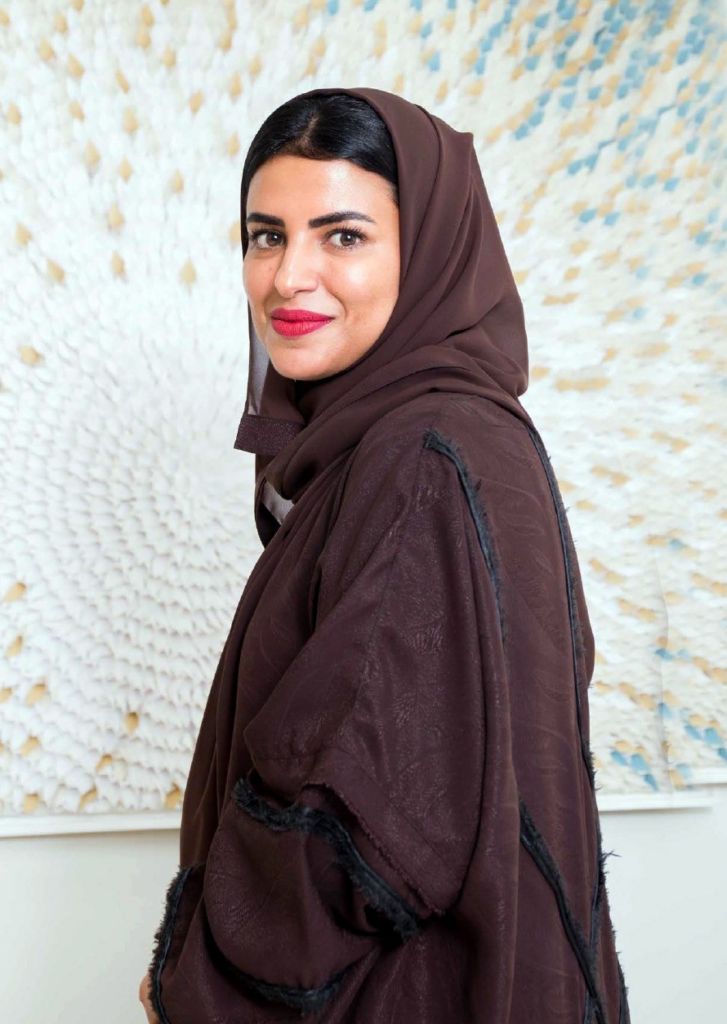
1. How can playful interiors positively influence mood and overall wellbeing within the home?
Home is a place where individuals live and breathe every day of their lives. At Opaal, we see homes as deeply emotional spaces where stories come to life. Our role is to shape those experiences through design that influences how people feel, connect, and move within their environment. Spaces are thoughtfully planned to feel like a natural extension of a person’s story. When interiors include playful elements, they create environments that feel warmer, more energising, and more individual. We often use calm colour palettes, purposeful lighting, and layered materials to balance serenity with architectural strength.
We have seen people respond strongly to such designs, spaces that spark curiosity and comfort at the same time. Environmental psychology research shows that visual complexity, colour variation, and non-linear forms activate the brain’s reward and novelty systems, which are linked to improved mood states.
In UAE homes, for example, where indoor living predominates due to the climate, playful interiors serve as a controlled sensory environment. They support emotional reset by introducing controlled stimulation through form, texture, and colour contrast.
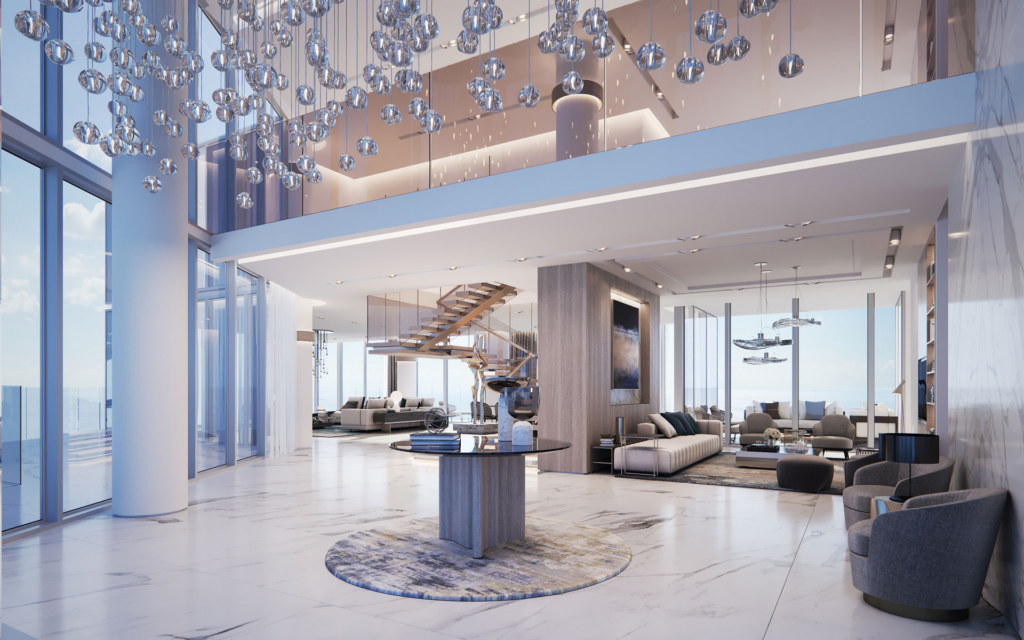
2. What role do elements such as bold colours, statement pieces, and unconventional styling play in creating a more uplifting and expressive living environment?
We have always focused on interiors rooted in craftsmanship, individuality, and storytelling. Bold elements play an important role in that process. They act as emotional anchors within a space, defining character, creating contrast, and bringing identity into interiors that might otherwise feel uniform.
At Opaal, we believe interiors can be both an art form and a deeply personal, almost therapeutic experience. We have never been driven by trends. Our approach begins with understanding the individual, how they want to live, how they want to feel in their home every day, and what story they want their space to tell. In our experience, bold colours, statement pieces, and unconventional styling are most powerful when they are personal. The goal is not to design for visual impact alone, but to create environments that feel expressive and reflective of the people living within them.
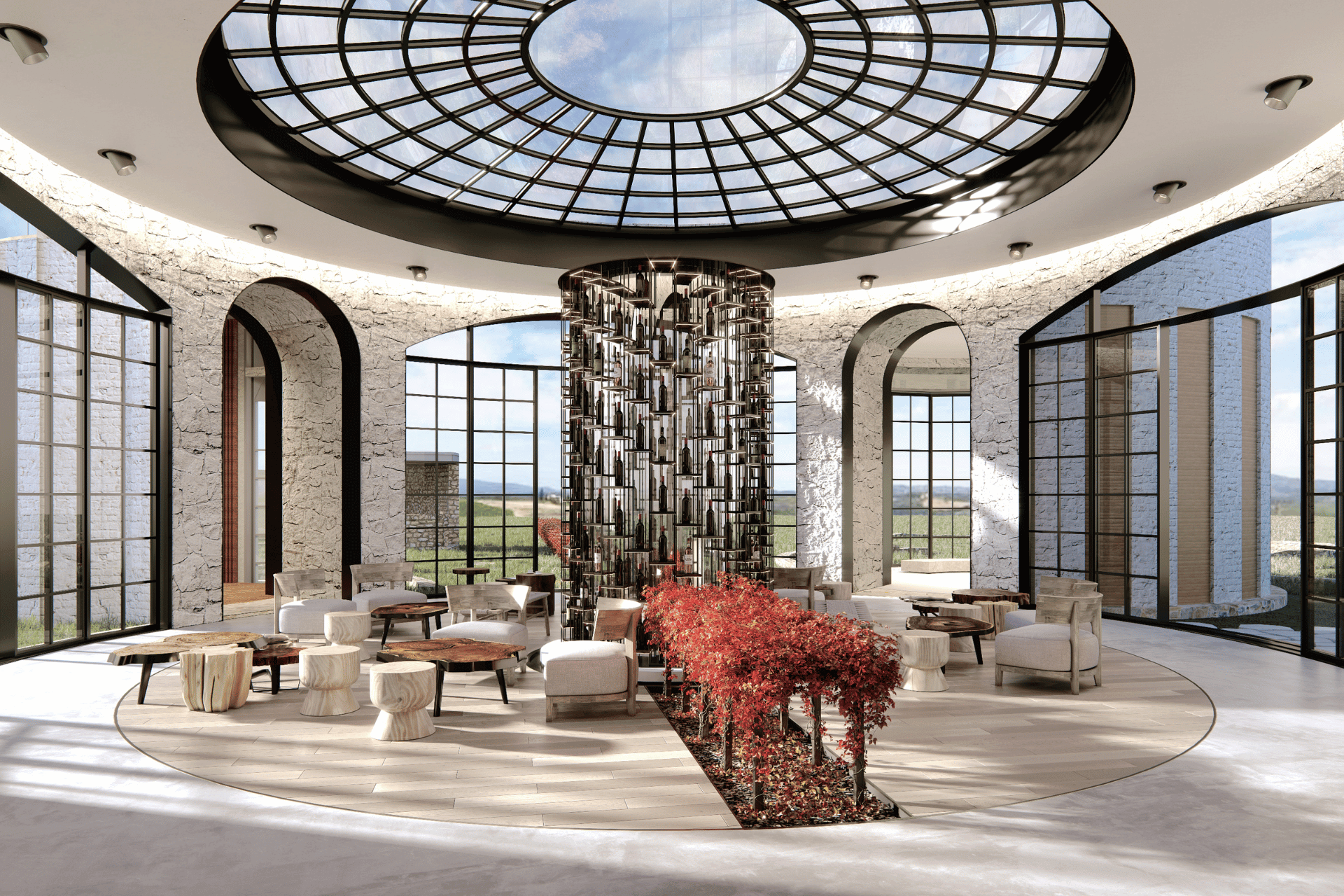
3. Have you noticed a growing interest in dopamine decor among clients in the UAE, and if so, how are homeowners incorporating this trend into their spaces?
While there is a growing shift in this direction, most of our clients are not asking for a specific trend or label. They usually ask for spaces that make them feel at home, more at ease and connected. Sometimes more expressive, but always in a way that feels natural to their lifestyle rather than imposed from outside. From there, the design develops through understanding and then interpreting it to life.
It is never about applying a style, but about translating how someone wants to live into a physical space. What we are seeing is a desire for homes that feel more expressive, layered, and reflective of the people living in them. We focus on creating spaces that feel timeless, so they are intended to look as relevant years from now as they do on day one.