
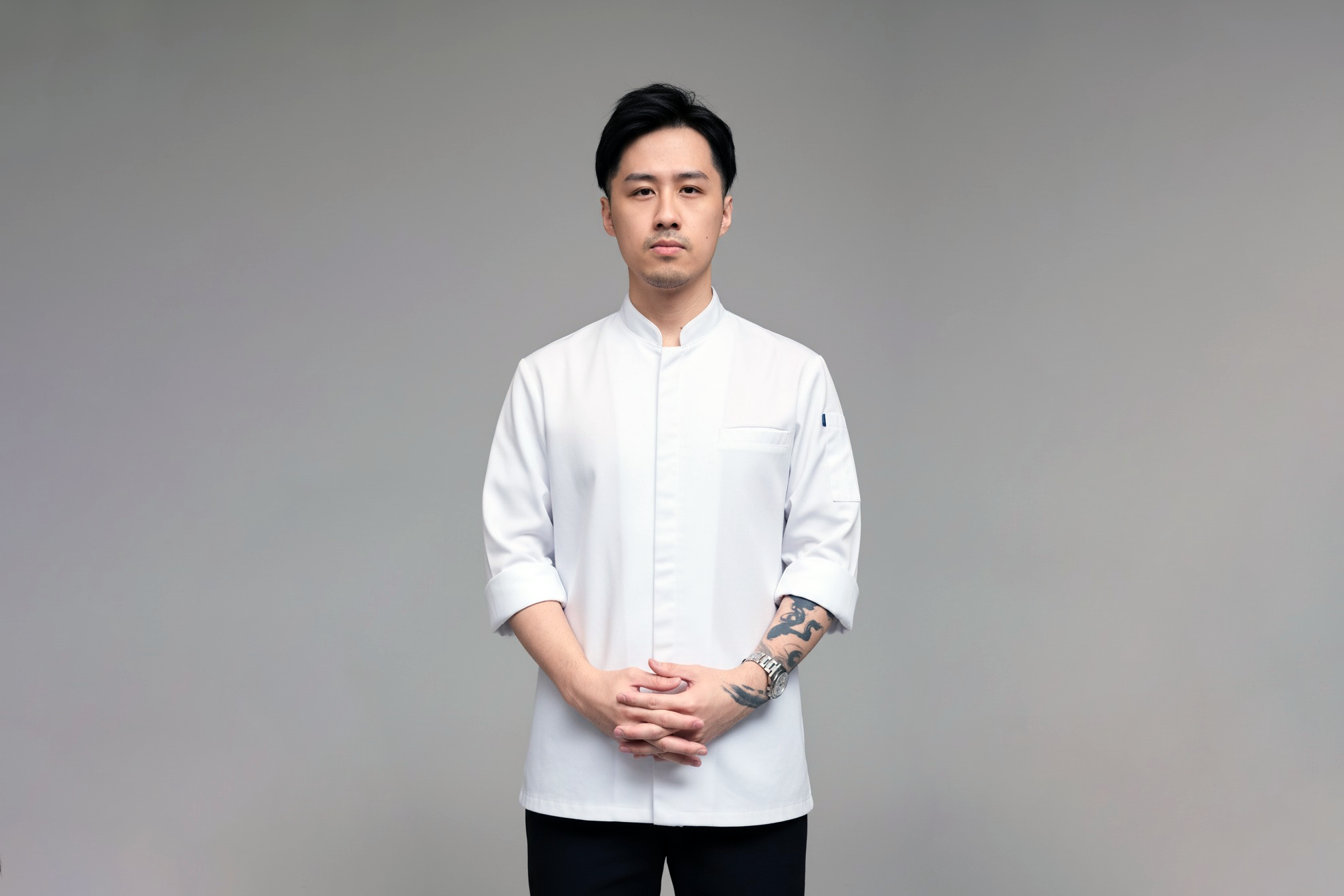

Behind its continued evolution is Chef Fai Choi, Research and Development Chef for Hakkasan and Yauatcha. For Choi, innovation does not mean abandoning tradition. Instead, it begins with understanding it deeply enough to know where it can be taken next.
From reimagining Hakkasan’s iconic Peking duck to championing fish, British seasonal produce and the understated complexity of Cantonese cooking, Chef Fai speaks to Zenith about creativity, pressure, the changing meaning of luxury dining and why the best restaurant experiences should leave us feeling better than when we arrived.
Your cooking has earned worldwide acclaim. Looking back, what moment do you feel truly defined you as a chef?
That moment came very early in my career, around my second year in the industry, when I was working in an open kitchen in Hong Kong. For the first time, I could see guests’ reactions directly rather than being hidden behind a closed kitchen door. I realised cooking is far more than preparing food. What I did had an immediate impact to everyone who walks into the restaurant. From that day onward, cooking became something much more intimate and meaningful to me, and that fundamentally changed the way I think about hospitality.
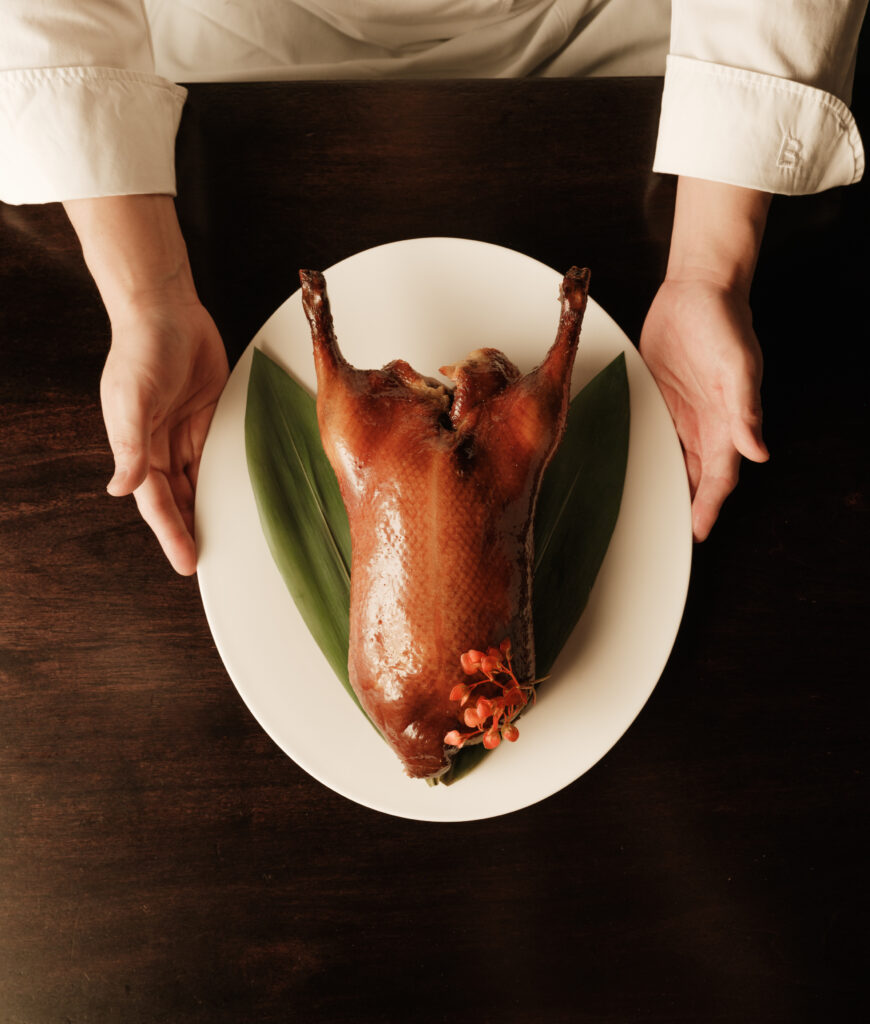
Many people know your restaurant for its exceptional Signature Whole Peking Duck with Caviar. How do you continue to make such an iconic dish feel fresh and exciting?
The challenge with an iconic dish is that guests arrive with expectations, so simply repeating how it’s usually done is not enough. We are one of the pioneering restaurants to present Peking duck in a contemporary luxury dining setting. That approach has since become common in many modern Chinese restaurants, so the real question is how to bring the excitement back.
I believe the answer lies not in theatrical performance, but in creating new flavour combinations and highlighting seasonal ingredients. For me, the whole pancake and duck experience should continue to evolve. The garnishes, condiments and sauces should change with seasons, and I have been thinking of offering different styles of pancakes, almost like a bread basket in Western fine dining.
Cantonese cuisine is deeply rooted in tradition. How do you balance preserving those traditions whilst continuing to innovate?
Ultimately, I think we have to understand the essence of Cantonese cuisine, which revolves around umami. It’s not about bold, exotic flavour, as some may associate with a spicy hotpot or the old school Chinese takeaway. Cantonese cooking is always about maximising umami and allowing the ingredients to shine rather than masking their own natural flavours.
Once that foundation is solid, innovating becomes easy. We build on that essence, draw inspiration from classic recipes, use the best seasonal produce available, and deepen flavour with fermented and aged Chinese ingredients. When all elements are in harmony, the dish tastes unmistakably Cantonese, even if the presentation or ingredients feels contemporary.
When you’re creating a new dish, what comes first: the ingredient, the story or the emotion you want guests to experience?
I’d love to sound cool and say it’s the emotion, but honestly, ingredients are king. I always start with seasonal produce, since I don’t believe a chef should override what nature offers. Then I let my emotion take over, whether it is my liking for a particular flavour combination, a memory, or a reference from a classic recipe. The ingredient provides the direction, and the emotion helps shape the final dish.
What is one ingredient that you believe is underestimated, and why does it deserve more recognition?
Tofu is one of the most versatile ingredients and comes with an incredible range of forms, flavours and textures. At my previous restaurant in Hong Kong, I had the opportunity to work with many different types of tofu and explore their variations in depth.
People often think tofu is bland or boring, but it deserves far more recognition, not only for its culinary potential, but also for its nutritional value and its much lower environmental impact compared to meat.
Luxury dining is evolving. What do you think today’s diners are looking for that they weren’t looking for ten years ago?
I think people today are looking for a place where they can feel better. The word “restaurant” comes from a French word “restaurer” which means “to restore”. A restaurant is never meant to be just a place to eat.
We dine in restaurants for many different reasons: an extraordinary meal, a once in a lifetime dining experience, or simply comforting food shared with friends and family. But no matter what that reason is, at the end of the day, we should leave feeling better than when we arrived.
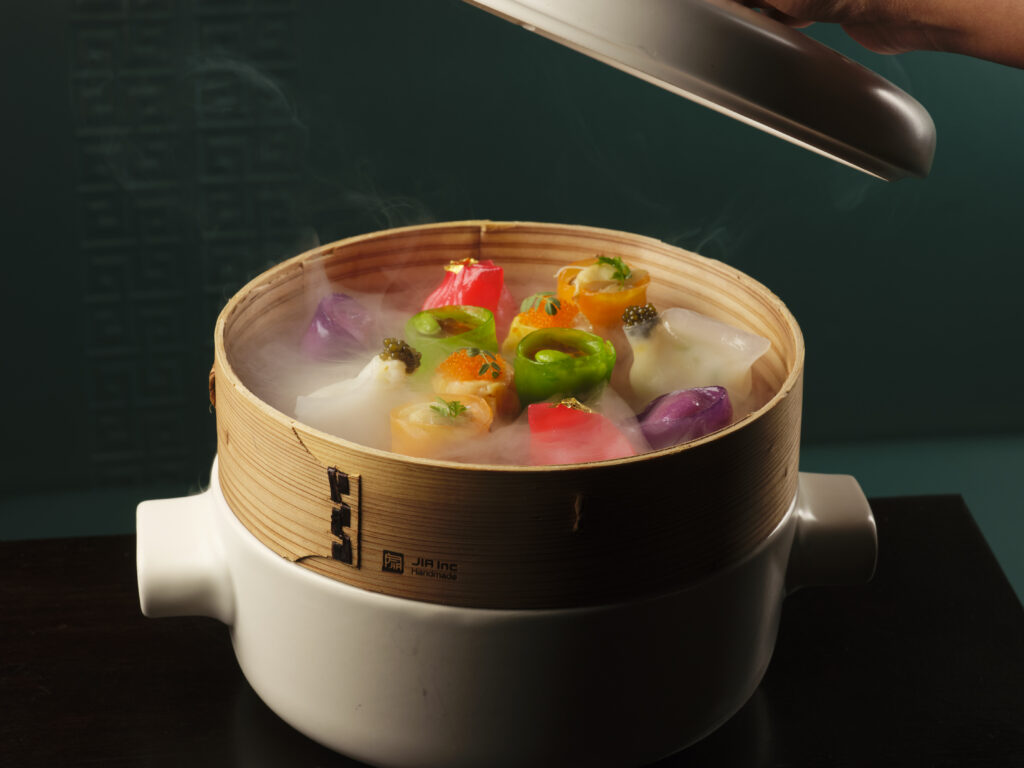
If you could cook one meal for anyone in history, who would it be, and what would you serve them?
I’d choose Emperor Qianlong; he was a ruler who presided over one one of imperial China’s most prosperous eras. He also travelled extensively across China and was known for his appreciation of food and culture. I would serve a contemporary Cantonese tasting menu built around the finest seasonal ingredients available in Britain, interpreted through Chinese techniques. I think that would be a fascinating discovery for him, and the conversation between history and the present would be the most interesting part of the meal.
Running one of the world’s most celebrated restaurants comes with immense pressure. How do you stay creative and avoid becoming complacent?
I find myself most creative when I’m on holiday, where I’m completely removed from my everyday world. However, given the nature of my work, I basically work non-stop every day, and I know that isn’t sustainable as a daily routine. I find it really helpful to consciously disconnect every once in a while, even if it is just for a few hours. I’m fortunate to have a wife who is my safe haven, and an environment where I can just switch off. That almost resets my brain and allows me to come back to work with a fresh perspective.
What do you hope guests remember long after they’ve finished their meal at your restaurant?
My wish is that they remember they had a really good time at our restaurants. Not necessarily the best meal they’ve had in their lives, of course that would be great, but just just remembering it as one of the better meals they’ve had. That is what keeps me going.
Finally, what does success mean to you today, and what are you still hoping to achieve in the years ahead?
I’m not going to lie, external acclaim is wonderful, and sometimes I do see it as a milestone achievement in life. It is important both personally and for the business, but I do not think it should define success. That feeling has to come from within, because that is what gives you confidence in what you do. Ultimately, I define success by the satisfaction I get from creating dishes and the response from guests.
Looking ahead, I would love to help take Hakkasan and Yauatcha to the next level and use that platform to promote my interpretation of Chinese cuisine, which is nourishing, refined, and exciting at the same time.