


For much of the corporate world, purpose has traditionally sat alongside business rather than within it. Profit was the engine; philanthropy, CSR and social impact came afterwards. Maywand Jabarkhyl believes that model has it backwards.
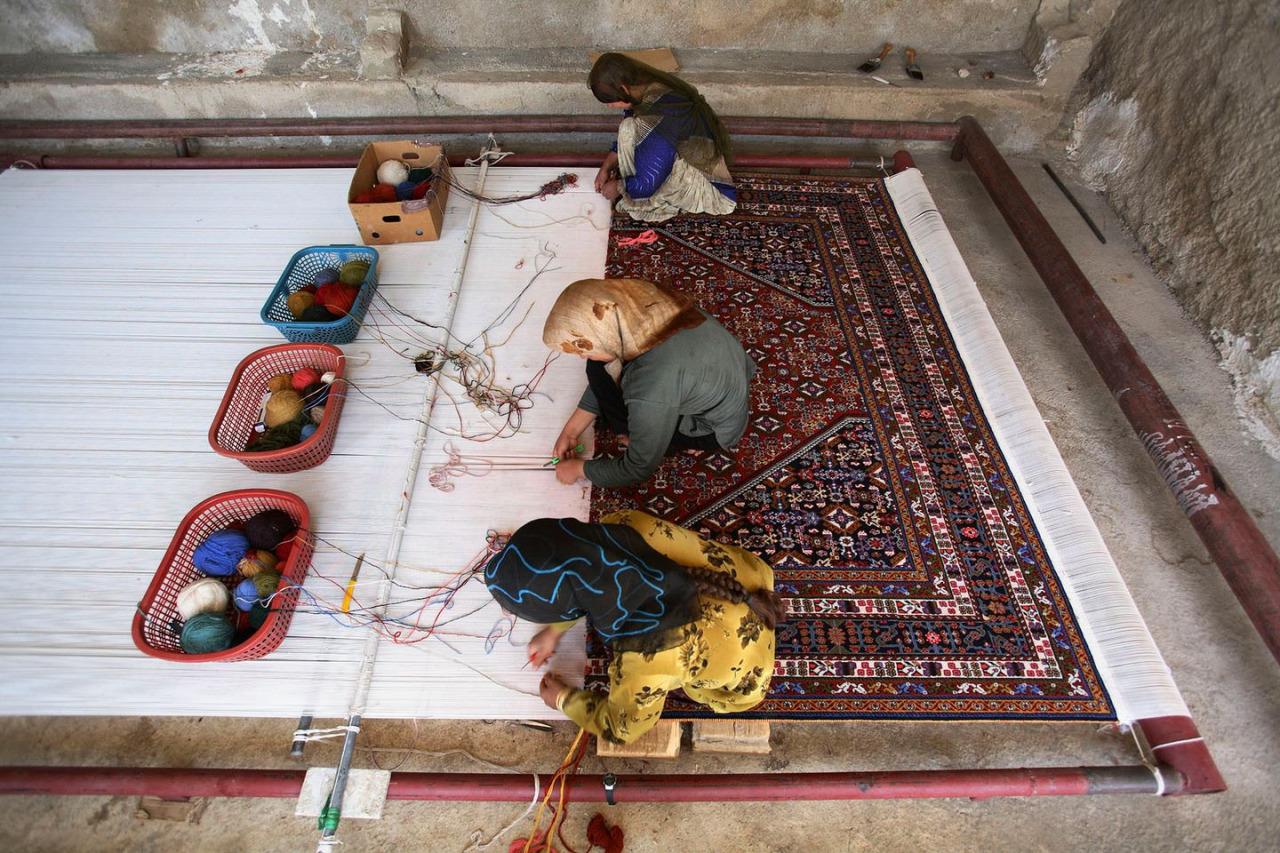
As CEO of the Fatima Bint Mohamed Bin Zayed Initiative (FBMI), Jabarkhyl has spent more than 15 years developing a model designed around financial independence. Rather than relying primarily on donations, FBMI sustains its humanitarian work through five social enterprises: Zuleya, Mira, Hunger, The Diplomacy Lab and Emirati District. The revenues generated help support programmes spanning employment, healthcare and education.
The scale is significant. FBMI says its work has benefited more than two million people, employed over 8,000 Afghans, 70 per cent of whom are women, helped more than 20,000 children attend local schools and provided healthcare to more than 1.8 million people and their families.
For Jabarkhyl, these figures demonstrate something bigger: that commercial discipline and social impact do not have to compete. They can strengthen one another.
Has ethical investment become a business necessity rather than a moral choice?
For me, the two were never separable. I started this work as the son of Afghan immigrants who saw the development gap firsthand, so the moral impulse came first.
What we’ve proven over fifteen years is that ethical investment is also the more durable business model. Look at the landscape today. There’s a drastic global cut in external funding and goodwill, and organisations that depended on charity are struggling to endure. We’re not, because we built enterprises that fund themselves.
So yes, it has become a necessity, but not because regulators or markets forced our hand. It’s a necessity because financial independence is the true foundation for continuity. The moral choice and the business logic arrive at the same place.
Can profit and purpose genuinely coexist, or does one inevitably compromise the other?
They don’t just coexist. At FBMI, profit is what makes the purpose permanent.
We built a self-sustaining organisation on a 360-degree ecosystem of enterprises that fund themselves through purpose-driven commerce, and every dirham our brands earn flows back into healthcare, education and employment for the communities we serve.
People who think profit and purpose compete are usually thinking one quarter ahead. I think in generations.
There have been several occasions where we turned down external funding because accepting it would have compromised the sustainable model we’ve built. We protected the purpose by protecting the enterprise. That isn’t a compromise. It’s the whole design.
What does meaningful ethical investment look like beyond ESG reports and CSR initiatives?
It looks like a woman in Afghanistan with a real job, free healthcare for her family and her children in school instead of at work. Not a figure in a report.
From the outset, our vision was sustainability in philanthropy. FBMI was never designed to give; it was built to enable. That’s the difference.
CSR is usually what a company does with a slice of profit after the fact. For us, the impact isn’t downstream of the business. It is the business, built into the ownership so that purpose-driven trade, rather than charity, creates lasting impact.
The hardest part was never the reporting. It was convincing communities that dignity comes from productive work that creates value, not from short-term handouts. Move people from aid to ownership and you’ve done something no ESG scorecard can capture.
Why do so many businesses still struggle to embed purpose into their commercial model?
Because it’s genuinely hard, and I won’t pretend otherwise.
When we started, we had to convince two audiences at once: customers to pay a fair price for our products, and communities to trust that sustainable work beats short-term aid. Neither was easy.
Most businesses bolt purpose on afterwards because rewiring the core, who you employ, how you source and where the profits go, takes patience and conviction that returns will compound slowly.
There’s also a constant temptation to deviate. We’ve been offered funding that would have pulled us off-model, and turning it down took discipline. The key pillar is consistency, not deviating from the mission however tempting it becomes. Companies struggle because embedding purpose is a test of conviction, not a line item.
What’s the biggest misconception business leaders have about ethical investment?
That it means sacrificing returns to do good. My experience is the opposite.
The discipline of running a real enterprise is exactly what makes the impact sustainable and scalable. We convinced customers to pay more not by appealing to their conscience, but by investing in design, research and genuine quality until we had something unique to offer.
The second misconception is that impact is charity by another name, something you give away. We were built to enable, not to give.
Once you shift from giving to enabling, ethical investment stops being a cost you justify and becomes the engine of the whole business.
Why do you believe investing in women delivers some of the strongest economic returns?
Because we’ve watched the return multiply firsthand across more than 8,000 women.
We placed women at the very heart of our development model, not as beneficiaries but as social entrepreneurs. When you give a woman decent, sustainable employment, the effect doesn’t stop with her. It strengthens her family, puts her children in school, improves her community’s health and lets her contribute meaningfully to her local economy.
One job becomes a ripple that has helped improve over two million lives.
Investing in women is one of the most under-priced opportunities in the world, and correcting that is where the moral case and the economic case point in the same direction. It isn’t generosity. It’s the smartest allocation of capital I know.
What role will ethical investment play in shaping the next generation of global businesses?
It will become the default rather than the differentiator.
We were early to this, a self-sustaining social enterprise before the language was fashionable, and now governments, NGOs and private companies come to us for advice on how to build the same way.
I’m convinced the model travels. In 2023, we set a goal to expand our framework to 50 countries by 2050 because the challenges Afghan communities face aren’t unique, and the same approach can uplift marginalised groups across Africa and the Middle East.
The next generation of great businesses won’t treat purpose as a department. They’ll be built purpose-first, because that’s what earns lasting trust, talent and resilience.
In time, we won’t call it ethical investment. We’ll simply call it good business.
If every CEO could make one change to create greater social impact, what would you tell them to do?
Stop giving and start enabling.
The single most important shift is to move impact from the edge of your business into its core, to build something that funds its own purpose rather than depending on surplus or goodwill that can vanish overnight.
If I compressed fifteen years into one sentence of advice, it would be this: stay true to your cause, build meaningful partnerships but always maintain control, and always have something unique to offer.
Do that, and your impact won’t depend on the next donation or the next good quarter. It will sustain itself, and that’s the only kind of impact that truly lasts.