
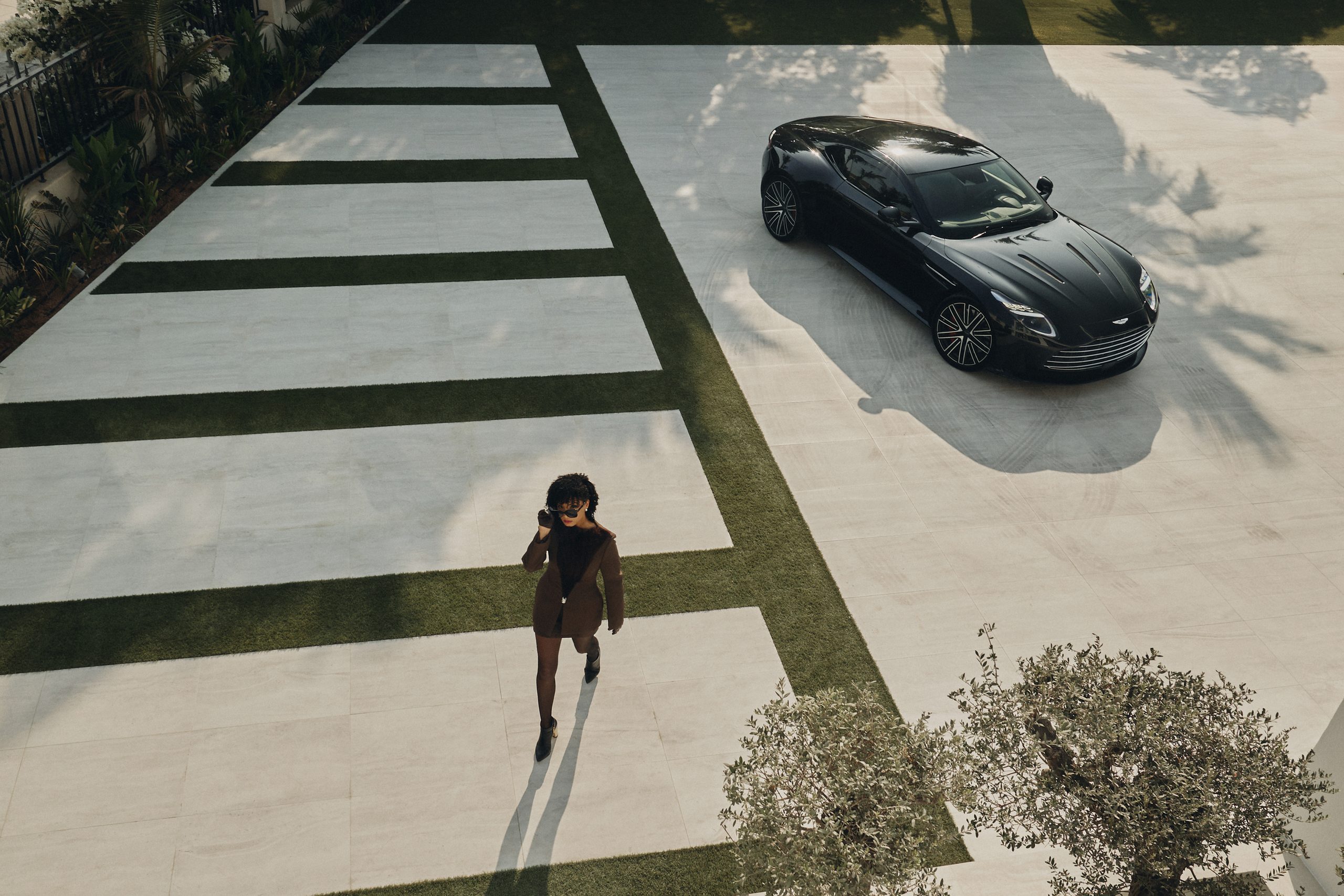

Automotive design is often discussed through details, but the success of a car is decided much earlier.
Before the materials. Before the trim. Before the technology.
There is silhouette.
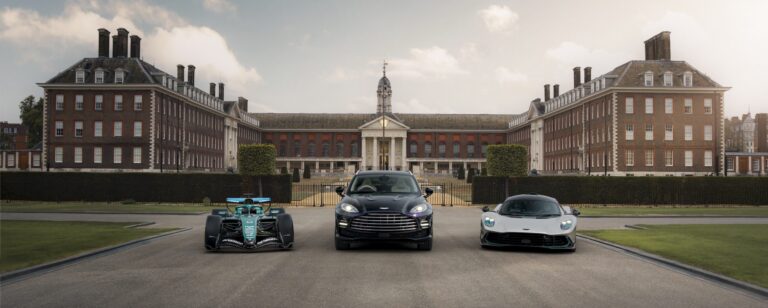
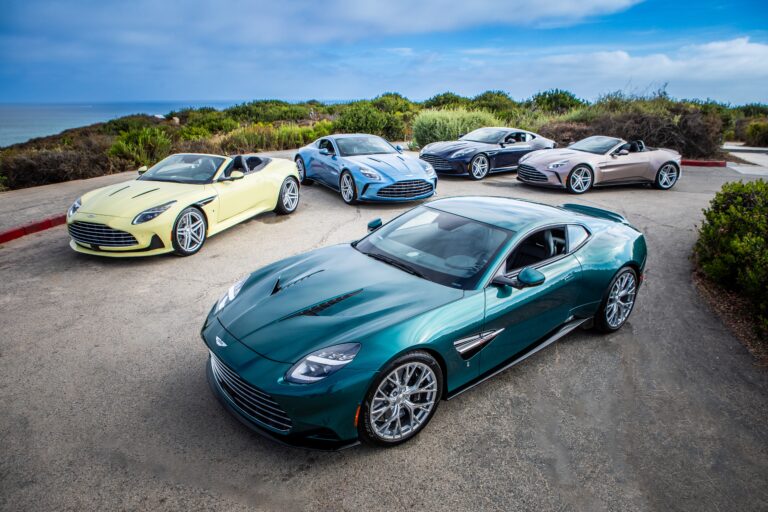
The DB12 demonstrates how much can be communicated through proportion alone. A single line can determine whether a car feels heavy or agile, familiar or progressive, elegant or unresolved. The strongest designs remain legible from a distance because the fundamentals have been considered first.
The long bonnet, rearward cabin and controlled stance establish the character before the finer details are even visible. Good proportion makes ornament unnecessary.
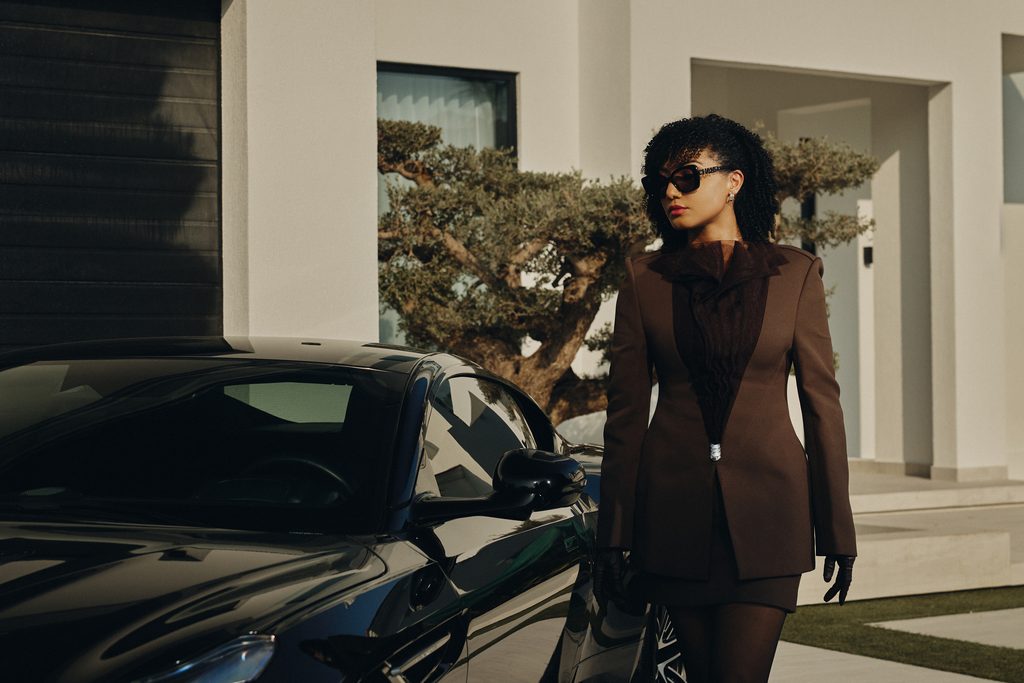
A beautiful interior cannot survive on appearance alone. Every control eventually becomes tactile. Every material is tested not by the eye, but by the hand.
Inside the DB12, that relationship becomes particularly important. Craftsmanship is not simply decorative, it is functional. The weight of a switch. The texture of leather. The position of the steering wheel. The way the cabin settles around the driver rather than merely surrounding them. These details shape the relationship between driver, machine and road.
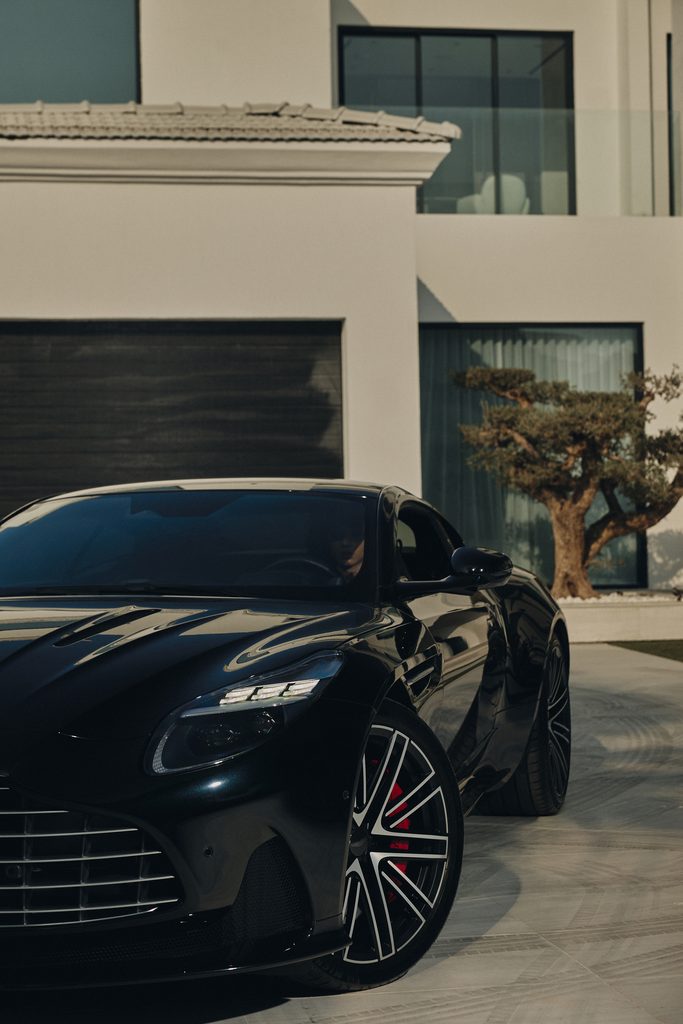
In a car such as the DB12, luxury is experienced through repetition. The controls touched without thinking. The surfaces encountered on every journey. The sense that each interaction has been considered before it reaches the hand.
The smallest interactions often say more about luxury than the largest gestures.
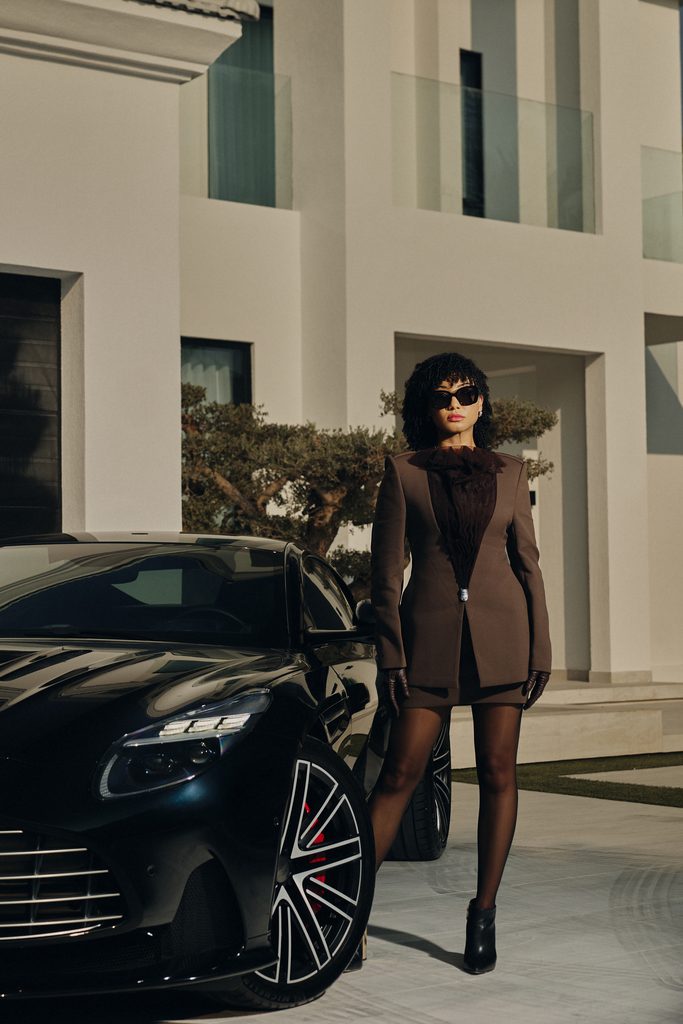
Aston Martin’s particular idea of beauty has always carried an element of tension.
The cars are elegant, but never delicate. Their surfaces are resolved, yet there is strength underneath them. Refinement is balanced by something more instinctive, a suggestion of power held deliberately in reserve.
The DB12 captures that contradiction particularly well. Its form is unmistakably Aston Martin, long, low and composed, but there is an added assertiveness to its stance. Beauty remains central, but it is beauty with intent. It is this tension that gives the best Aston Martins their character.
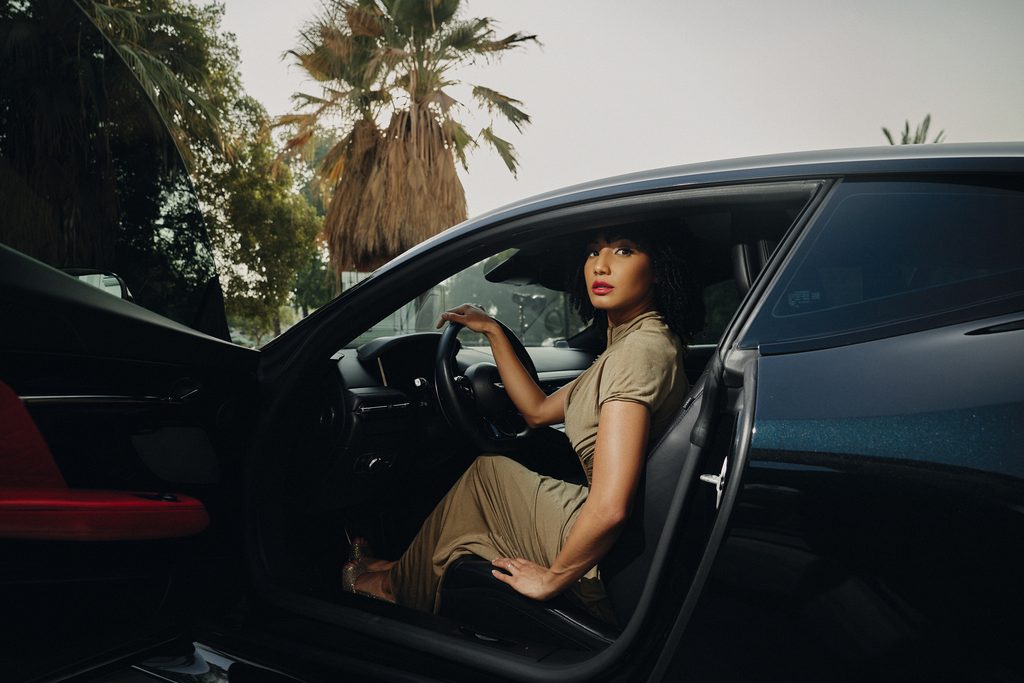
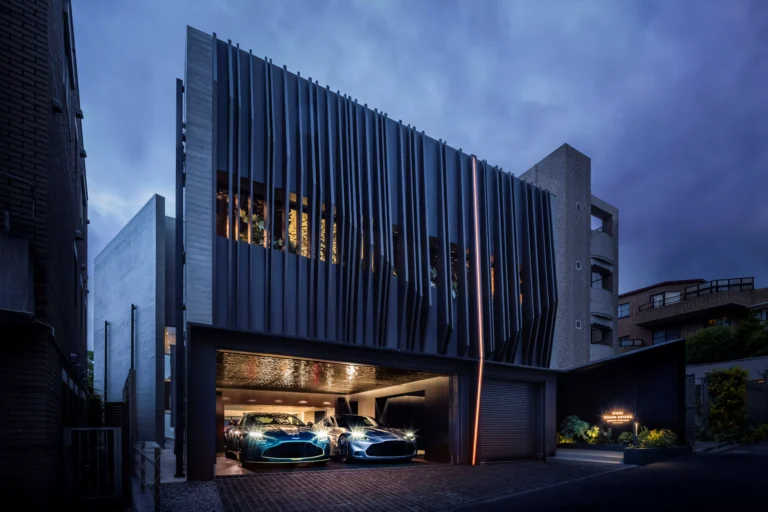
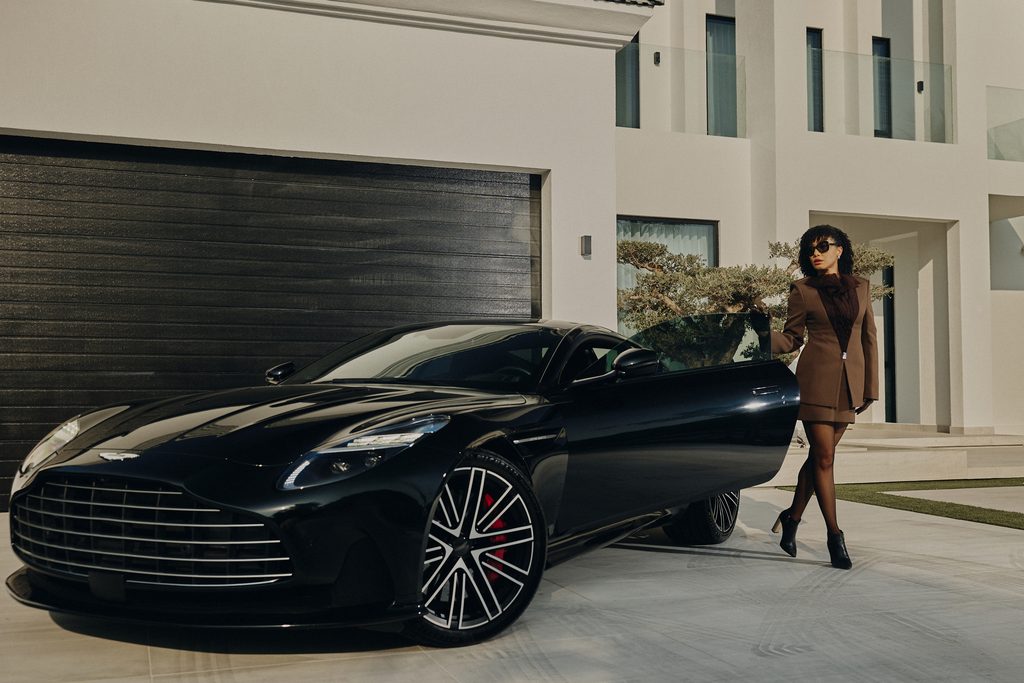
Arrival is a peculiar form of theatre.
There is the destination, of course, but there is also the moment immediately before it. A door opening. A silhouette emerging. A brief shift in atmosphere.
The grand tourer has always understood this ritual better than most, and the DB12 continues that tradition.
Its purpose has never been simply to transport. It is to make the journey feel considered, and the destination feel deserved. The car becomes part of the arrival itself, not simply the means by which you reached it.
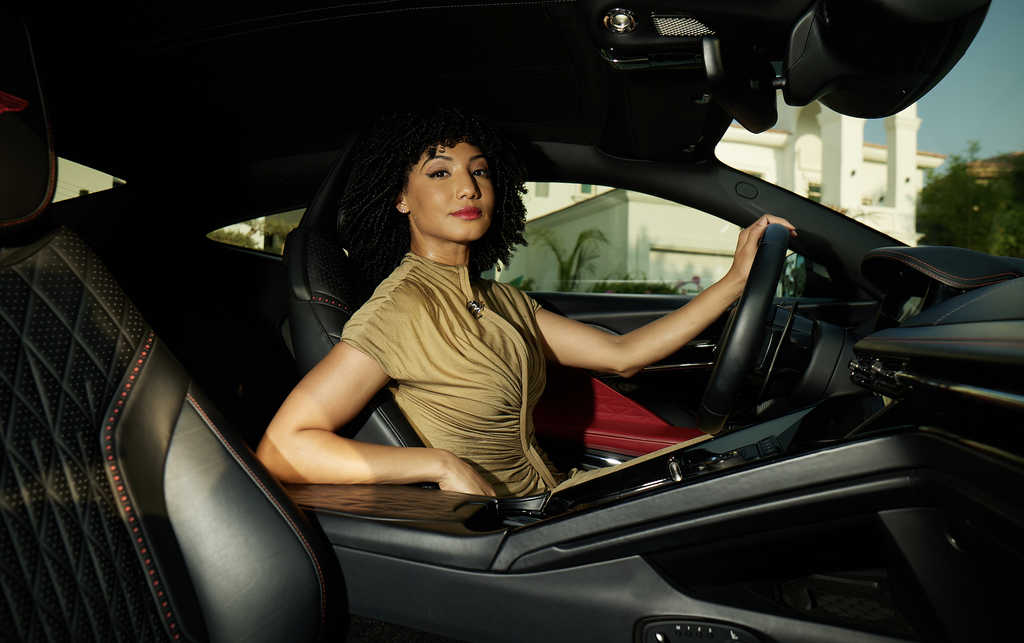
There are cars that reveal themselves through speed, and others whose character is apparent long before the engine is started. The Aston Martin DB12 belongs firmly to the latter.
Low, long and deliberately composed, its appeal begins with proportion. The bonnet stretches forward, the cabin settles back and the body appears to hold tension even at rest. The DB12 feels poised rather than posed, its surfaces carrying a quiet sense of movement even while stationary.
Nothing feels accidental. Nothing needs to shout.
That is perhaps Aston Martin’s greatest trick. Presence without theatre.

Outside, the car waits. Inside, the journey has already become memory.
Talent: Tuesday Le Roux
Car: Aston Martin MENA
DOP: Liza
Styling and Makeup: Mohamed Siddig
Gaffer & Digital Tech: Vitaly
Light Technician: Nikolya
Producer: Pearl John
Assistant Producer: Alexandra Ramage
Location: NVF Lifestyle
Editor-in-chief: Bilal Muhammad