

Italian luxury has always been built around an almost obsessive relationship with making.
The cut of a jacket. The construction of a shoe. The finish of a leather bag. The texture of a fabric. The knowledge passed from one generation to another.
But in 2026, the meaning of luxury is changing.
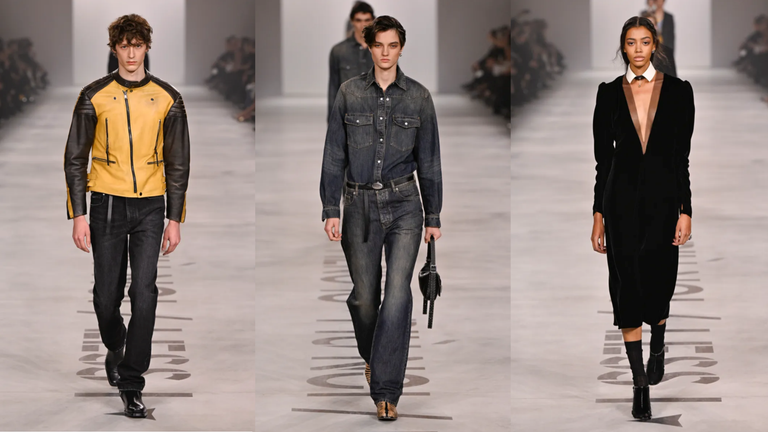
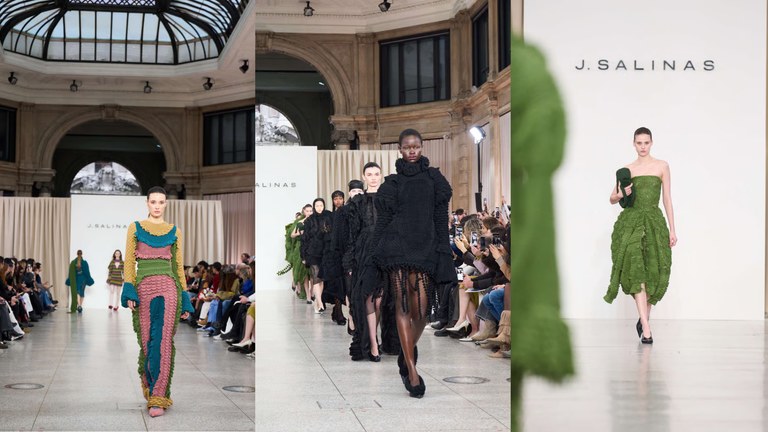
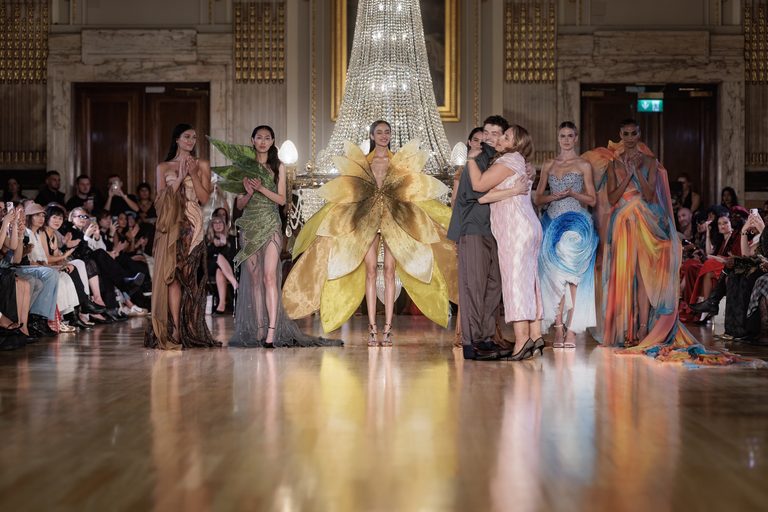
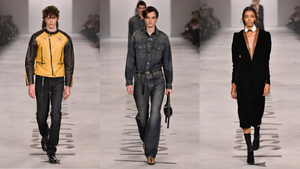
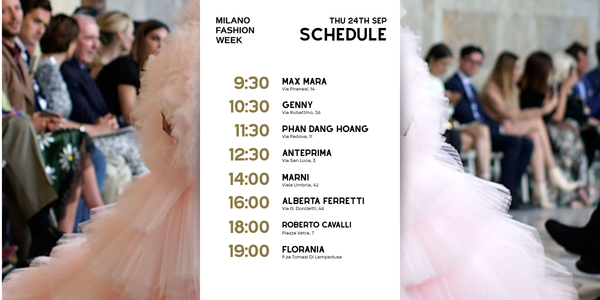
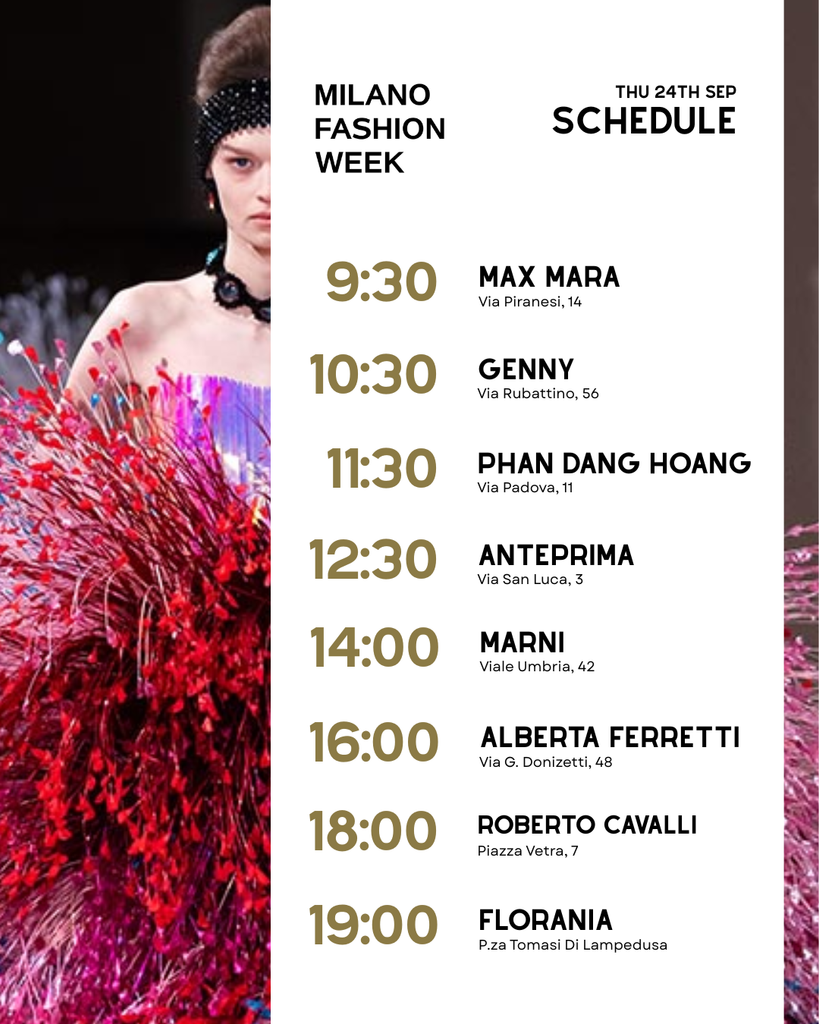
As Milan Fashion Week reaches its third day, the Spring/Summer 2027 schedule brings together Max Mara, Genny, Marni, Alberta Ferretti and Roberto Cavalli, alongside an extraordinary programme of presentations and cultural events.
It is a particularly interesting moment for Italian fashion because the industry is operating within a challenging luxury market. Major luxury groups are facing slower growth, changing consumer priorities and greater pressure to demonstrate why premium prices remain justified.
That makes the runway more important, not less.
A collection now has to communicate something beyond product.
It has to create desire, but it also has to create meaning.
For Italian houses, this creates an interesting tension. Their greatest strength is their history, yet history alone cannot carry a brand indefinitely. Heritage needs to be translated rather than simply repeated.
This is where Milan’s SS27 season becomes particularly relevant.
Marni enters the day under Meryll Rogge, while Alberta Ferretti and Roberto Cavalli bring their own established identities to the schedule. Max Mara, meanwhile, remains one of the clearest examples of how a fashion house can build an enduring visual language around precision, practicality and modern femininity.
Around them, Milan continues to blur the boundaries between fashion and culture.
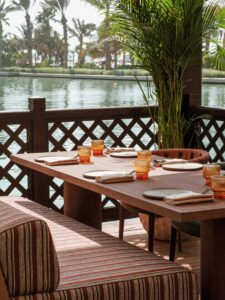
Buccellati’s Caviar Bar, Viktor&Rolf’s Spectrum exhibition and other events across the city demonstrate how luxury increasingly extends beyond the garment itself. A fashion week experience can now encompass art, hospitality, architecture, food, film and performance.
The product is still important.
But the world surrounding the product has become part of the proposition.
Perhaps that is the new language of Italian luxury.
Not abandoning tradition, but understanding that tradition has to keep moving.
Milan’s greatest asset may not be its ability to preserve the past.
It may be its ability to make the past feel relevant to the present.