



For two and a half hours, Antoine Fuqua’s sprawling biopic does something almost impossible. It resurrects Michael Jackson not as a tabloid figure or untouchable icon, but as a fragile, obsessive, once-in-a-generation artist whose brilliance was jaw-dropping.
And somehow, against all odds, it works.
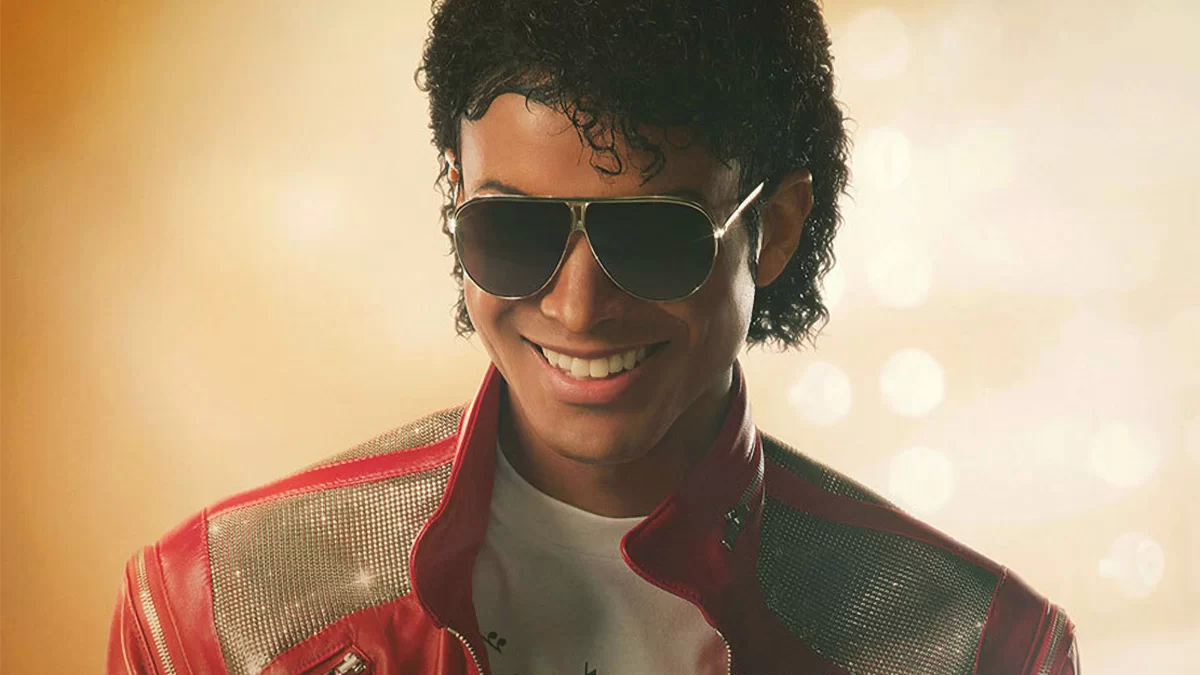
The biggest triumph of the film is undoubtedly Jaafar Jackson. Nephew casting can often feel gimmicky, but what Jaafar delivers here borders on uncanny. He does not impersonate Michael. He inhabits him. The whisper-soft speaking voice, the shy smile, the explosive switch into performer mode once music begins. Every movement feels studied down to the fingertips.

There are scenes during the Thriller and Bad eras where you genuinely forget you are watching an actor. The physical precision is staggering. One spin, one look into camera, one sharp exhale, and suddenly the entire cinema is transported back to the 1980s.
But Michael is not simply a greatest hits compilation dressed up as prestige cinema. The film’s emotional core lies in its portrait of childhood stolen by fame. Colman Domingo delivers a terrifyingly controlled performance as Joe Jackson, portraying him less as a cartoon villain and more as a man whose ambition warped into cruelty. Opposite him, Nia Long gives Katherine Jackson a quiet dignity that anchors the chaos surrounding the family.

What surprised me most was how lonely the film feels.
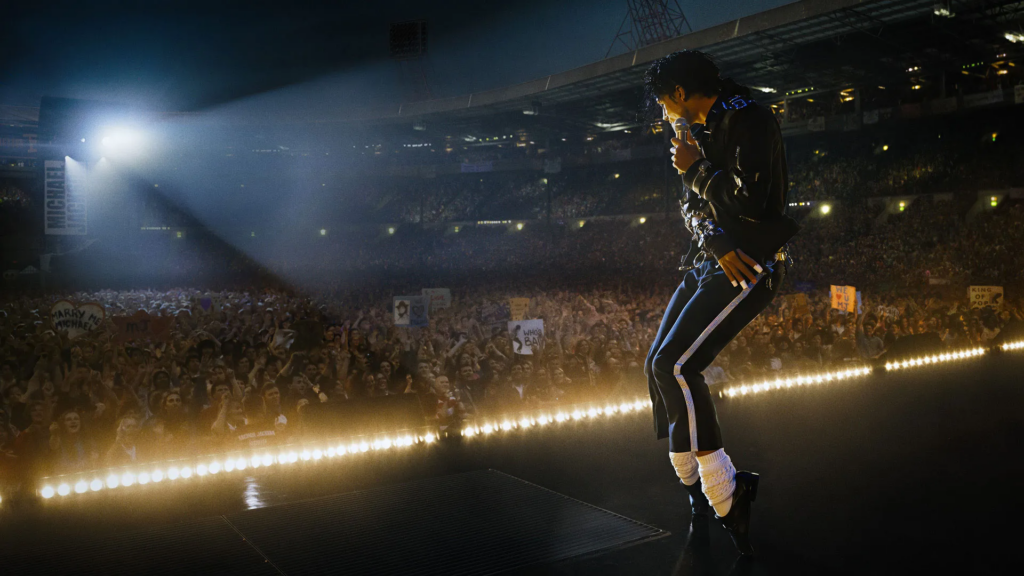
Despite the screaming crowds, the sold-out stadiums and global hysteria, Fuqua repeatedly frames Michael as isolated. Alone in recording studios. Alone backstage. While the world chants his name outside. It understands the central tragedy of Michael Jackson better than most documentaries ever have: the bigger he became, the less human he was allowed to be.
Visually, the film is breathtaking. The recreation of the Thriller music video is staged with operatic scale. The costumes glitter, the cameras glide, and the music sounds enormous on cinema speakers. This is not a modest character study. It is blockbuster mythmaking, and wisely so. Michael Jackson was never small.

But that is not the film Antoine Fuqua set out to make.
Michael is a film about artistry, pressure, fame and performance. It is about a child pushed beyond human limits who then spent the rest of his life trying to outrun the damage. In that sense, it succeeds magnificently.
Most importantly, it remembers what made Michael Jackson extraordinary in the first place. Not the headlines. Not the scandals. The music.
The film understands that when Michael performed, the world stopped. Entire generations can still recall exactly where they were when they first saw the moonwalk. Michael recreates that feeling repeatedly, reminding audiences that before he became one of the most dissected celebrities in history, he was simply the greatest entertainer who ever lived.

The film’s final act is absolutely electric. Rather than ending on tragedy, Michael closes on transformation. The final Jackson 5 tour sequence feels like watching a rocket preparing for launch, with the film moving at a relentless pace through music, choreography and pure adrenaline. Every performance is staged with explosive energy, the crowd screaming as Michael begins to realise he is no longer just the standout member of a legendary group, but something far bigger.
As he steps away from The Jackson 5 and into his solo era, the film captures that exact moment a star becomes immortal. It is thrilling, emotional and euphoric all at once. The editing barely lets you breathe, moving from backstage nerves to dazzling performances with the momentum of a live concert, and by the final shot you are left with the feeling that you have not just watched the end of a chapter, but the birth of the greatest entertainer in modern history.
And as the credits rolled to Man in the Mirror, my screening erupted into applause.
Not polite applause. Emotional applause.
The kind reserved for legends.
Now, who is joining me for the next film?